Senior Cats Health Guide
As our feline friends enter their golden years, their needs change. Senior cats health is about more than just regular meals and a cozy spot to nap — it’s a holistic approach that includes diet, vet care, mobility, grooming, mental enrichment, and observation.
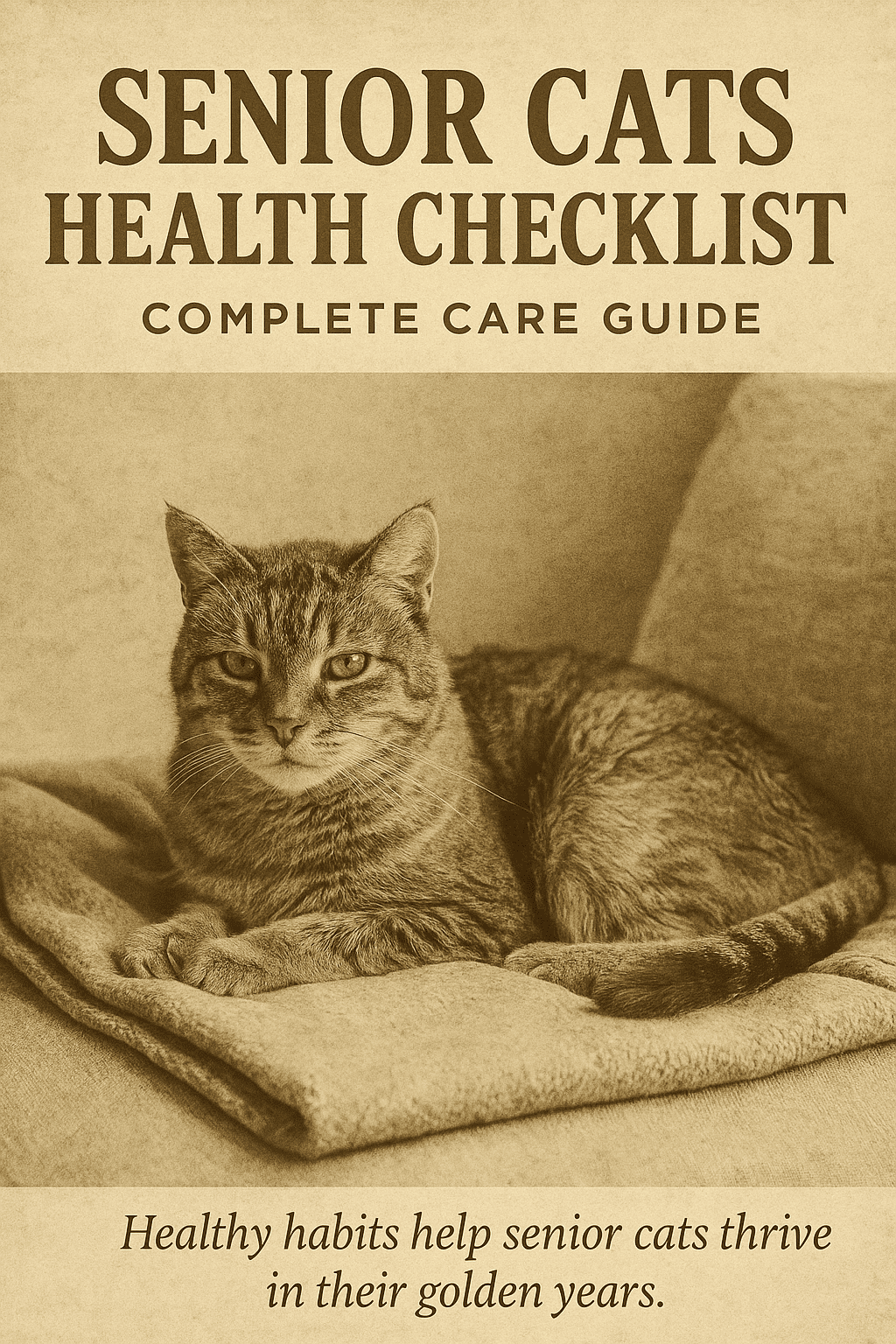
This Senior Cats Health Checklist makes it easy for cat parents to stay on top of everything their aging companions need. Whether your cat is still spry or beginning to slow down, this guide helps you create a comfortable and healthy routine.
🥗 Nutrition & Diet
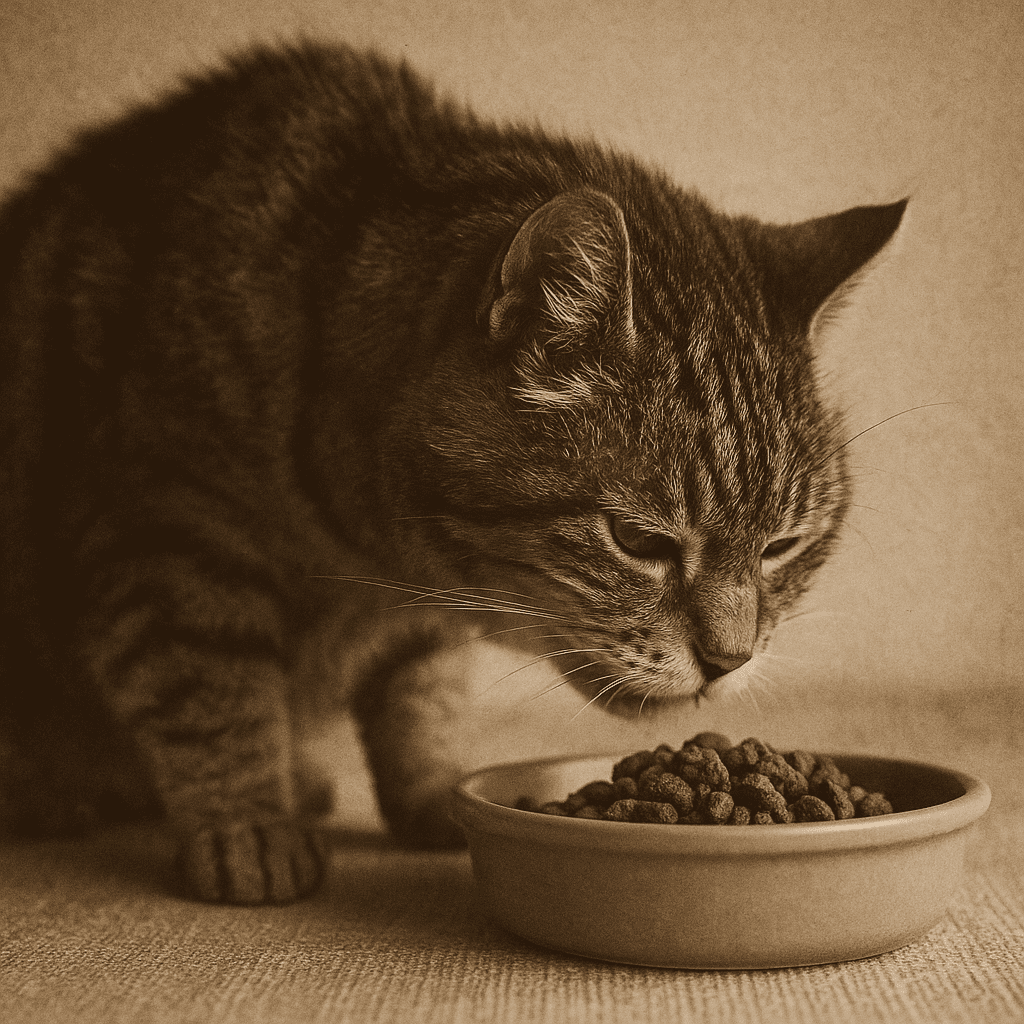
A healthy diet is the foundation of senior cat care.
- Switch to senior-specific food that’s easier to digest and lower in calories.
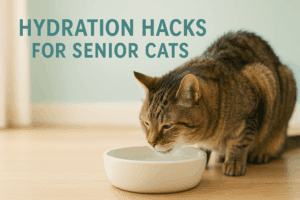
- Incorporate wet food to boost hydration, which supports kidney function.
- Watch your cat’s appetite — sudden changes may indicate illness or dental issues.
👉 Related reading: When is a Cat Considered a Senior?
🩺 Veterinary Care & Preventive Health
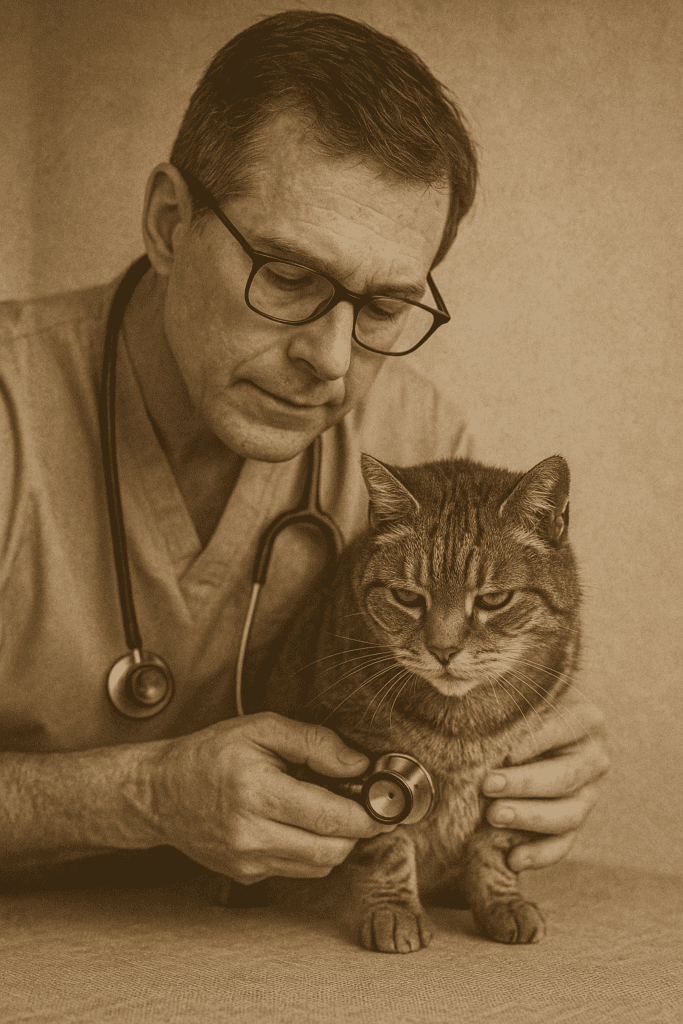
Older cats require closer monitoring because they often hide symptoms. A small change in weight or behavior could point to something serious like kidney disease, thyroid problems, or arthritis. That’s why senior cats should see a veterinarian twice a year for checkups, even if they seem healthy.
During these visits, ask your vet about:
- Senior blood panels to check kidney, liver, and thyroid function.
- Dental exams, since gum disease and tooth pain are extremely common in aging cats.
- Vaccination updates and parasite prevention tailored to your cat’s age and lifestyle.
Our in-depth Senior Cat Dental Care Guide explains why oral health is so important for overall well-being.
For more expert advice, the American Veterinary Medical Association offers an excellent overview of what to expect as your cat ages and how to keep them thriving.
🐾 Mobility & Joint Comfort
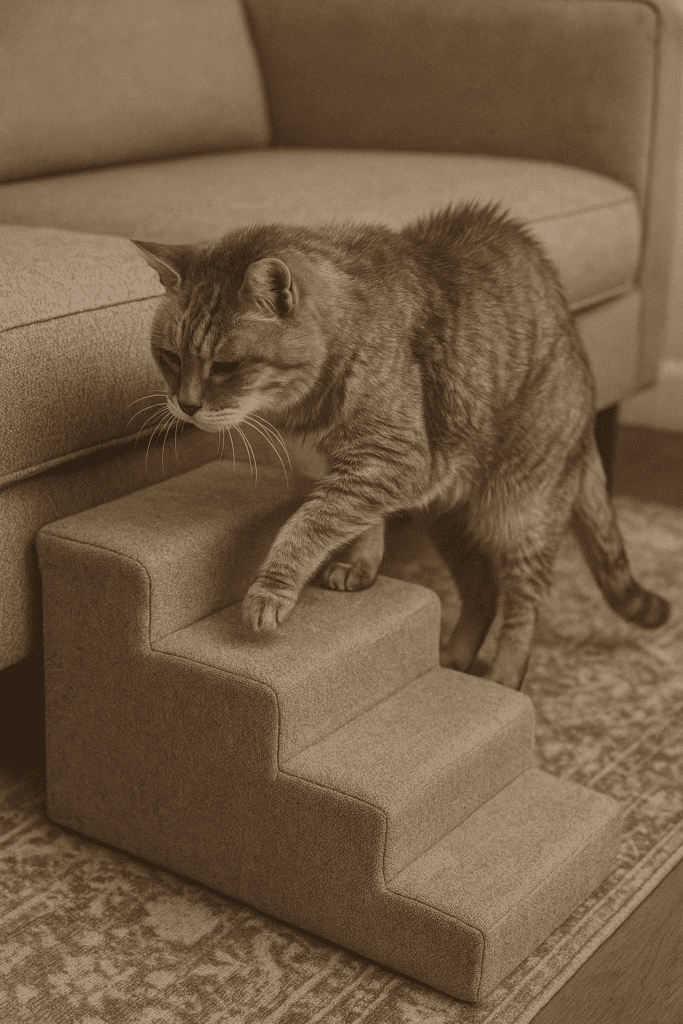
Joint health plays a huge role in overall quality of life. Arthritis is one of the most underdiagnosed issues in senior cats, since they rarely limp or cry out. Instead, they may quietly stop jumping or climbing.
To support mobility:
- Look for subtle signs of arthritis such as hesitation, stiffness, or changes in grooming habits.
- Offer soft orthopedic beds and pet ramps to make favorite spots more accessible.
- Keep play gentle but consistent to maintain muscle strength.
👉 Spot early warning signs in our guide to Arthritis in Senior Cats.
👉 Senior cat joint and mobility supplements can be found in our Best Supplements for Senior Cats.
🧴 Grooming & Skin Care
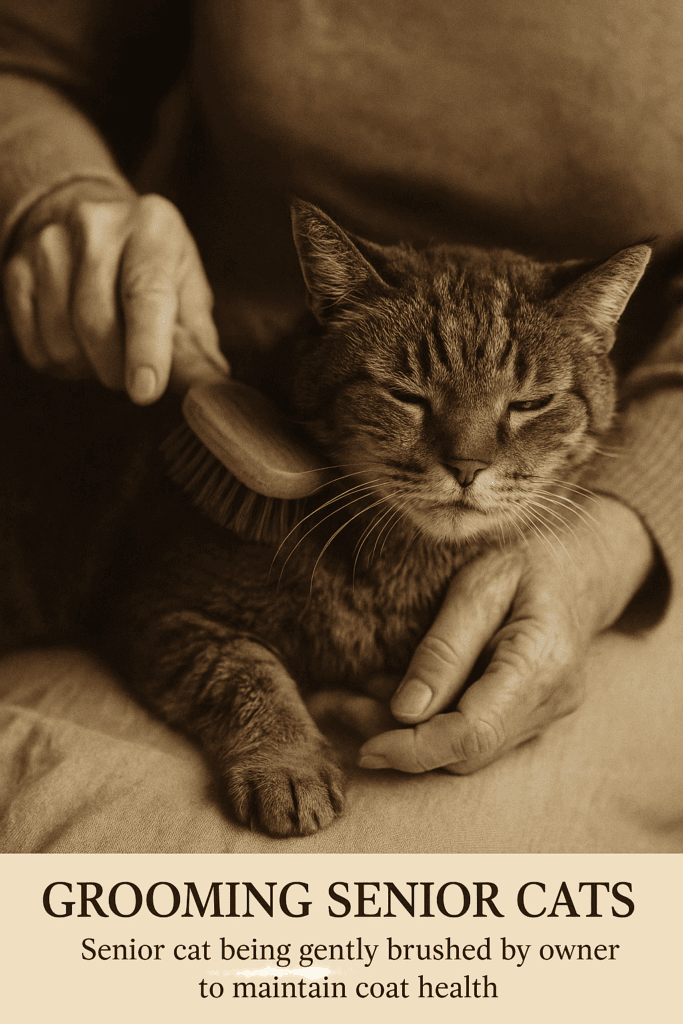
Aging cats may not groom as thoroughly as they once did, often due to arthritis or dental discomfort. Regular grooming helps keep their coat and skin in good condition and provides a bonding opportunity.
Checklist for grooming senior cats:
- Brush frequently to prevent mats and stimulate circulation.
- Trim nails, which can overgrow if scratching behavior declines.
- Inspect skin for new lumps, bumps, or bald spots.
- Use gentle wipes or waterless shampoo if coat hygiene becomes an issue.
🧠 Mental & Emotional Health
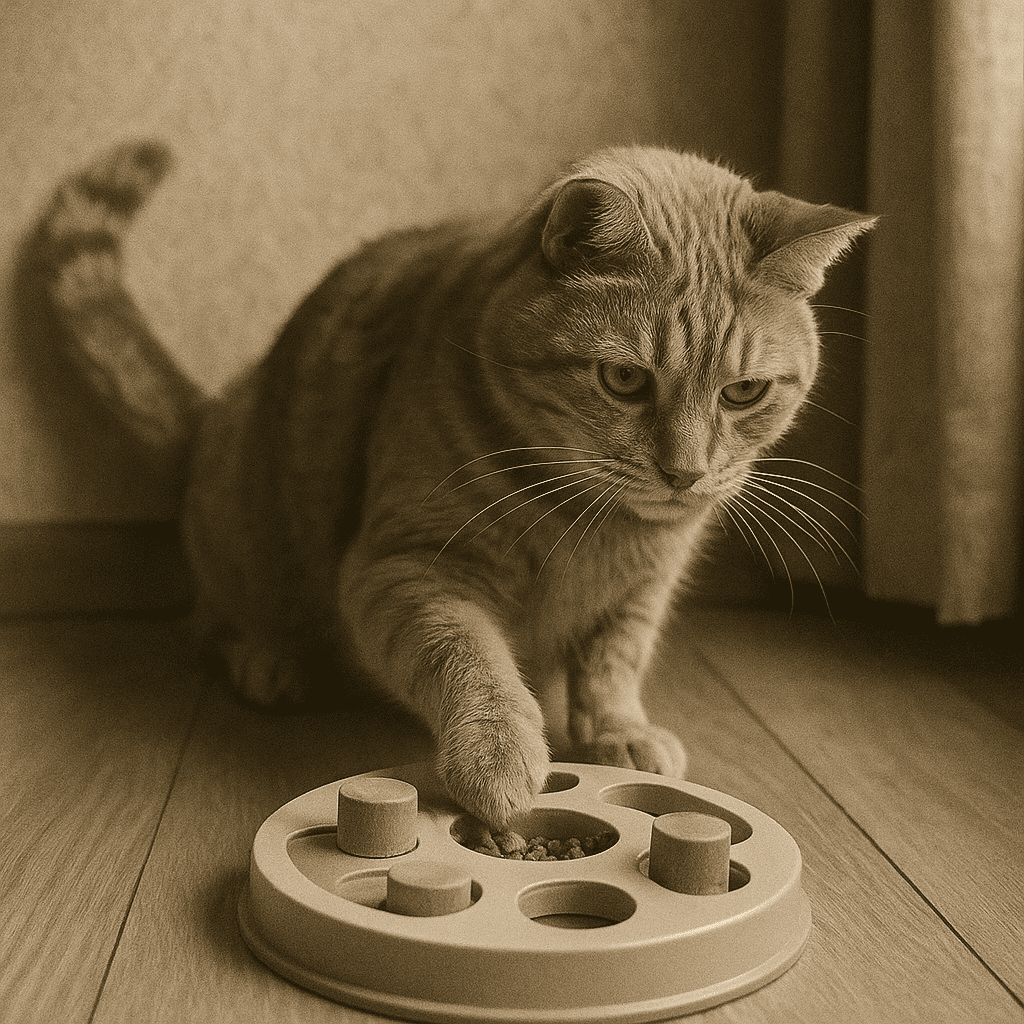
Just like humans, cats can experience cognitive decline as they age. Signs may include confusion, vocalizing at night, forgetting litter box habits, or increased clinginess. Supporting mental health in senior cats is just as vital as their physical care.
Ways to help:
- Stick to consistent routines to reduce stress.
- Offer puzzle feeders or interactive toys to stimulate the brain.
- Provide quiet spaces away from busy areas of the home.
- Watch for signs of feline cognitive dysfunction and discuss them with your vet.
For more detailed insights, check out VCA Animal Hospitals’ guide on caring for senior cats, which covers both physical and behavioral changes in older pets.
🚽 Litter Box Setup
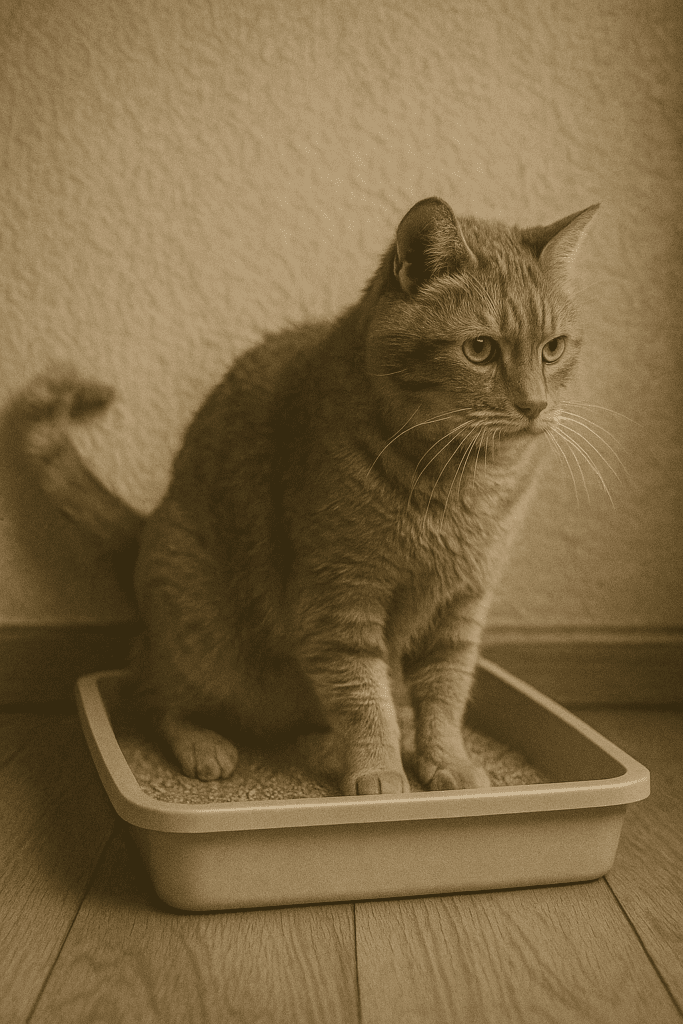
Bathroom habits often change with age, and the setup of your litter box can make all the difference.
- Choose low-sided liter boxes that are easy to step into.
- Place multiple boxes if you have a large home or multiple floors.
- Scoop daily — senior cats may refuse dirty boxes more often than younger cats.
- Remember: sudden litter box avoidance may indicate arthritis, kidney issues, or urinary problems.
❤️ Daily Monitoring & Observation

One of the most powerful tools for protecting your senior cat’s health is your own daily observation.
- Weigh your cat monthly and record changes.
- Monitor appetite and hydration — both increases and decreases can signal health issues.
- Watch litter box habits closely.
- Take note of behavioral changes such as hiding, irritability, or vocalizing.
📝 Senior Cats Health Checklist (Quick Reference)
✔ Balanced senior diet & hydration
✔ Twice-yearly vet visits + bloodwork
✔ Monitor weight & appetite changes
✔ Dental and gum health checks
✔ Arthritis support: beds, ramps, gentle play
✔ Regular grooming & nail trims
✔ Mental stimulation & quiet rest areas
✔ Easy-to-access litter box setup
✔ Daily observation for early warning signs
Caring for Senior Cats
Caring for an older cat is about combining love with attention to detail. By following this Senior Cats Health Checklist, you’ll cover the essentials of diet, vet care, mobility, grooming, and mental health. With these steps, your cat’s senior years can be filled with comfort, vitality, and companionship.
👉 More resources from Seniorcatscare.com