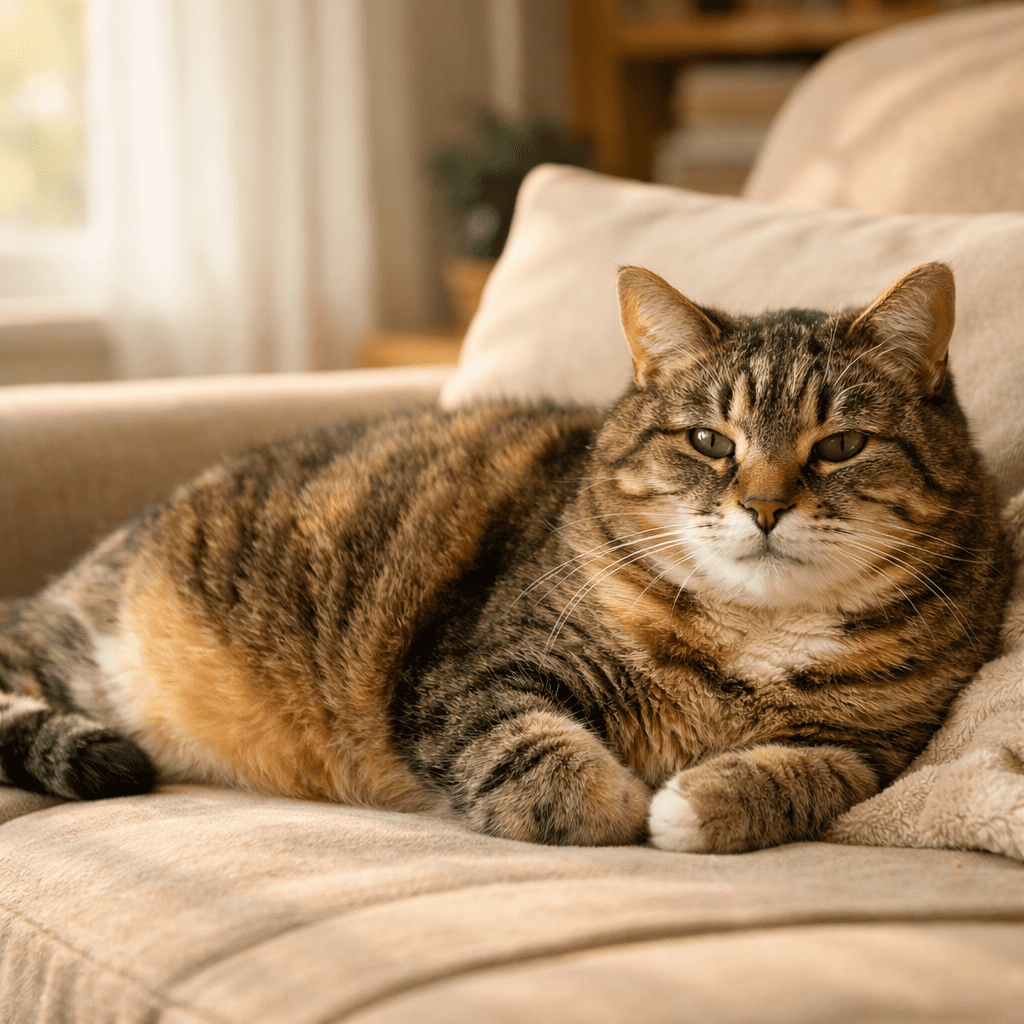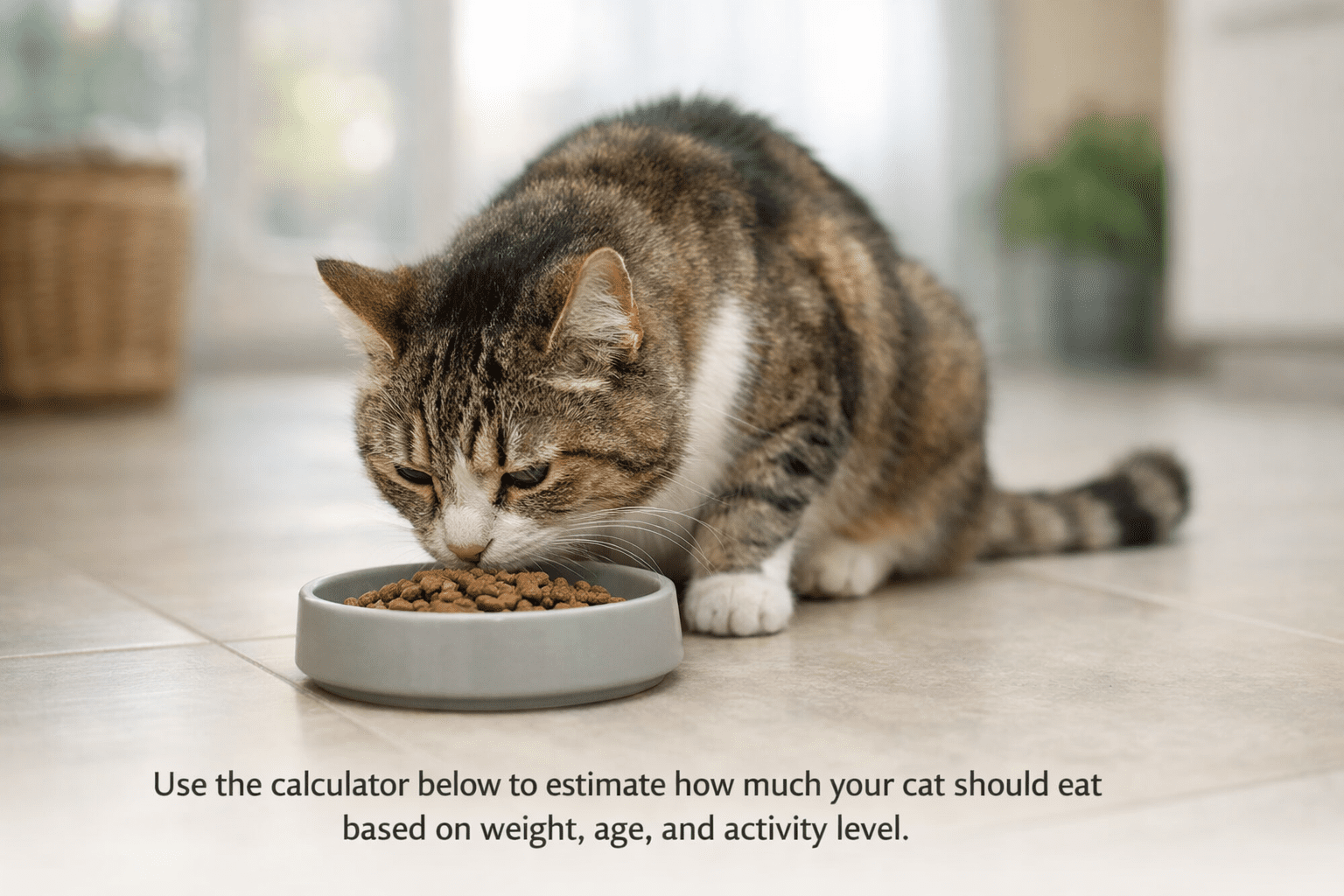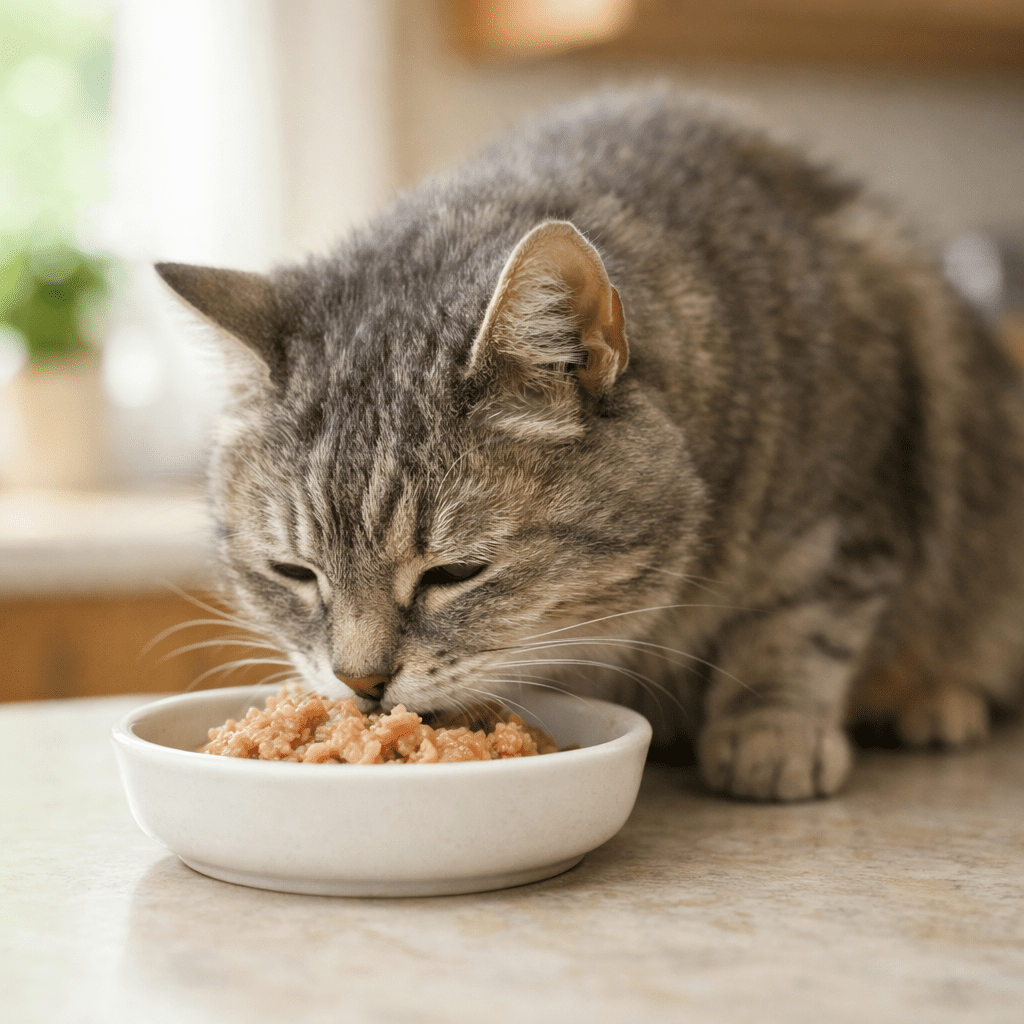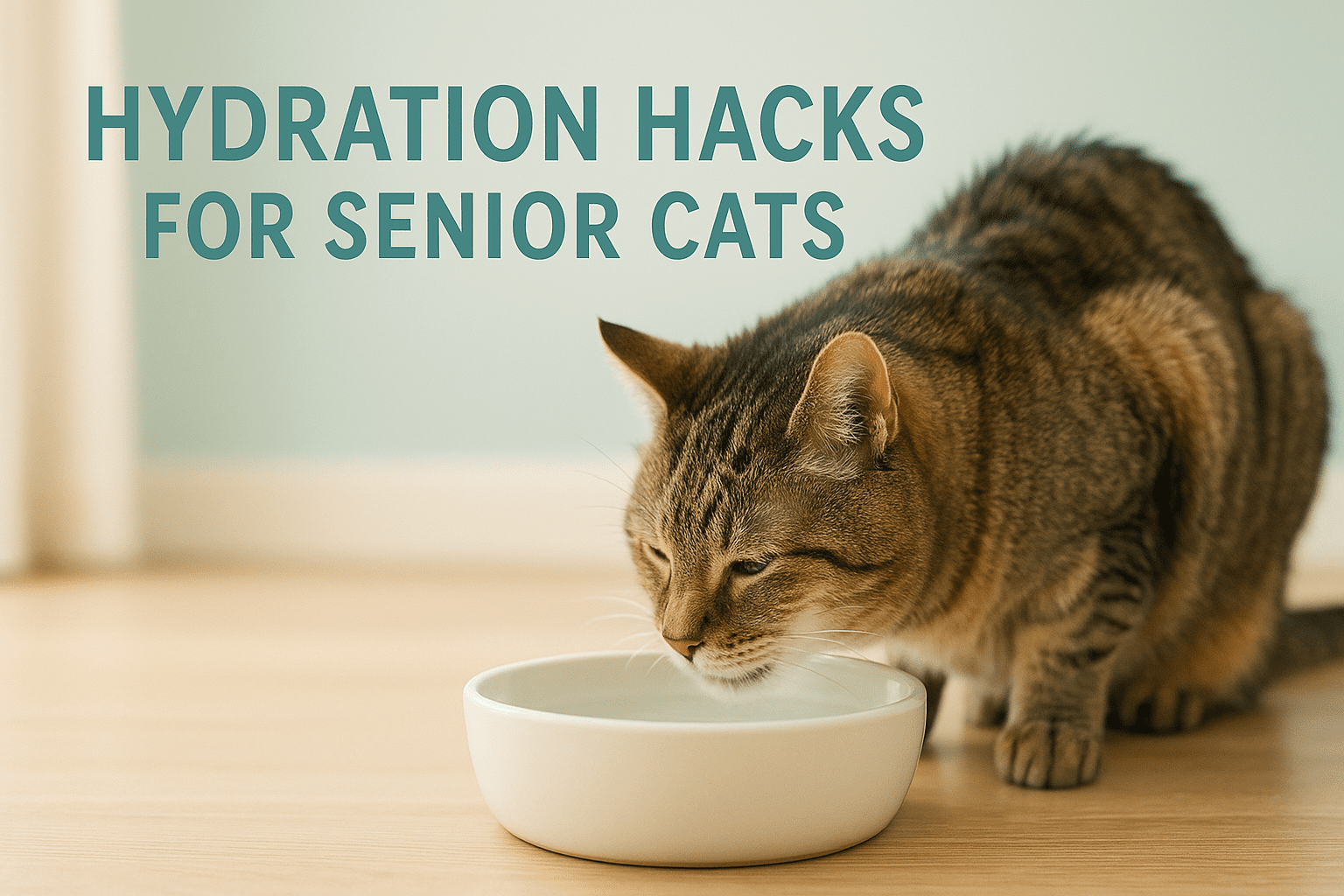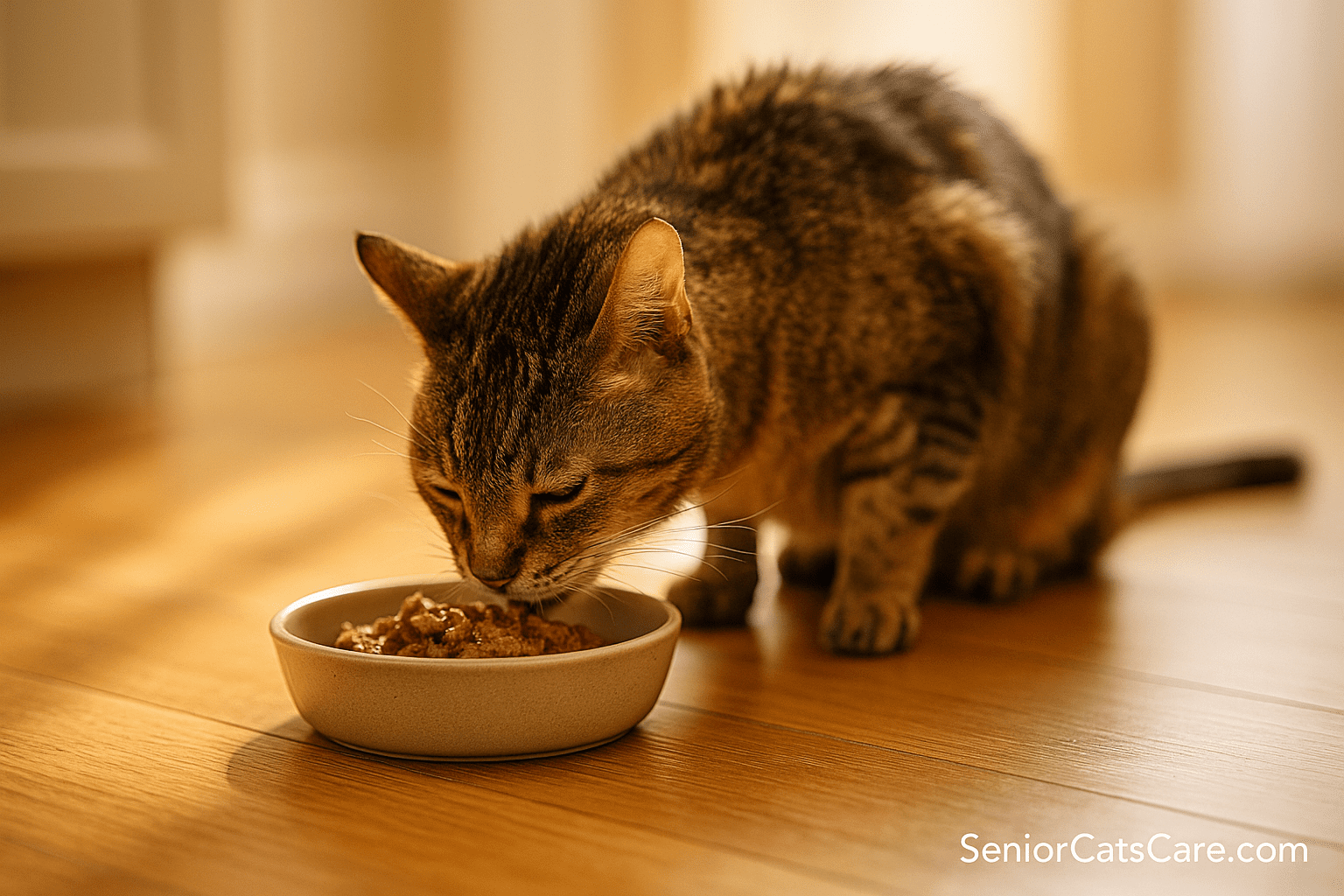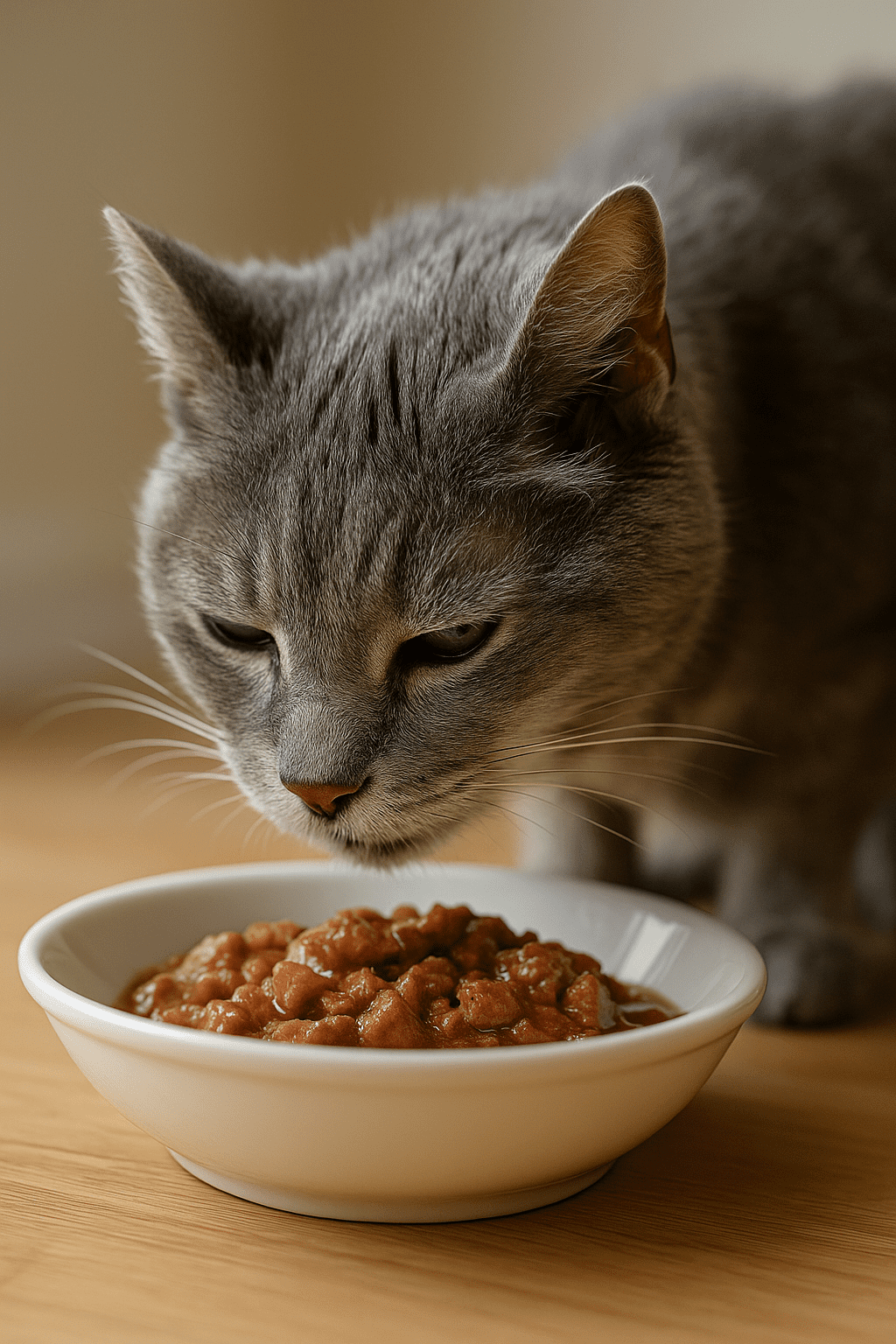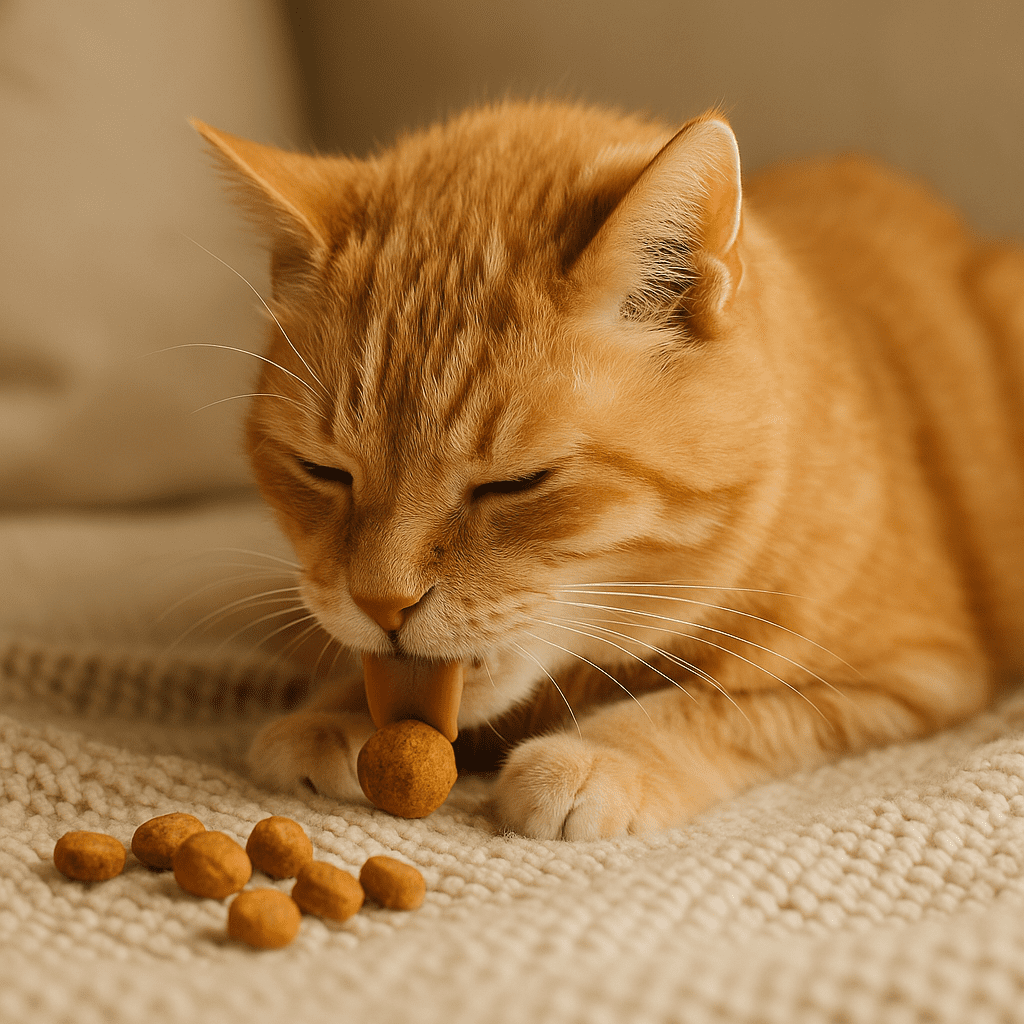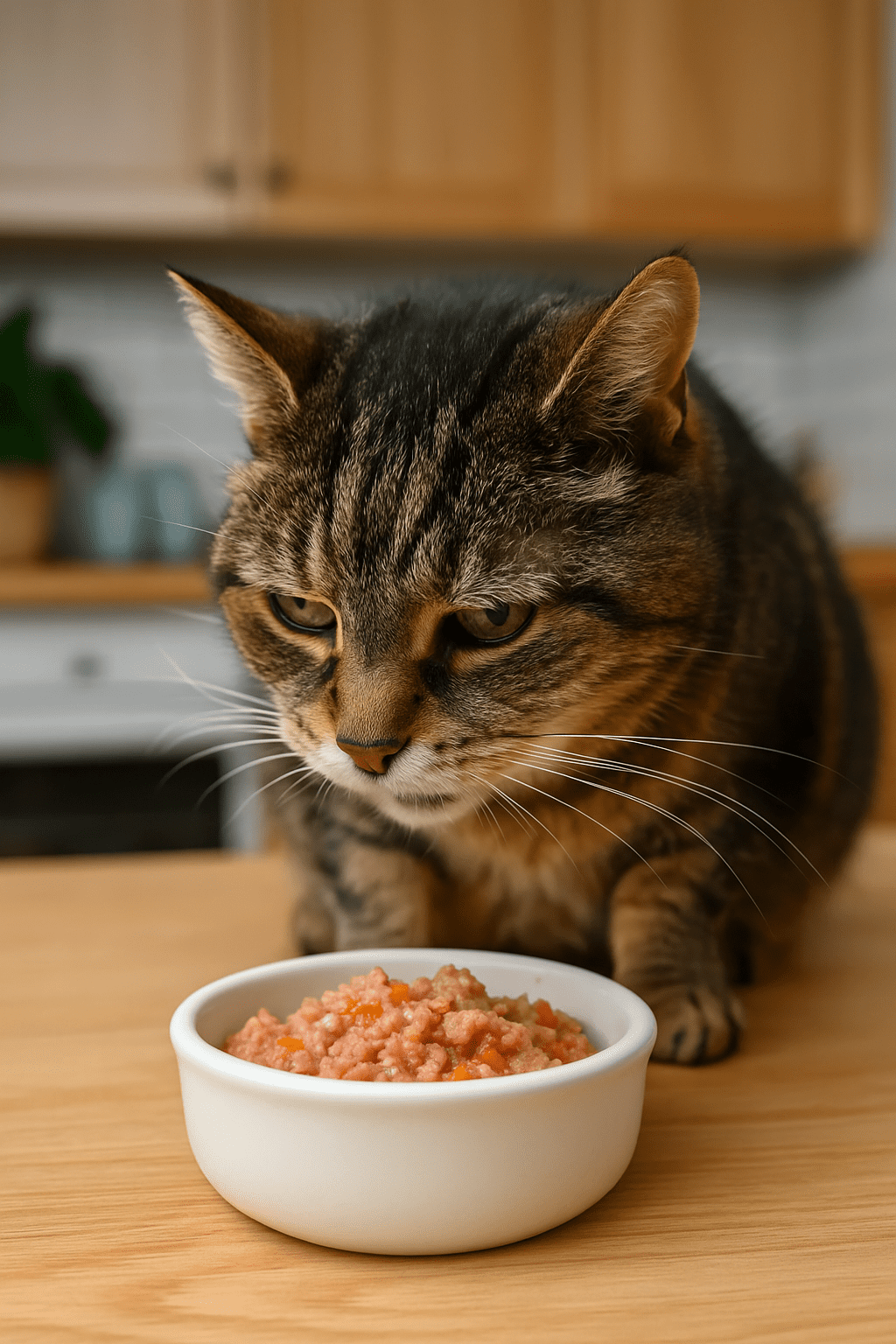
As cats age, their bodies undergo gradual changes that often go unnoticed at first. A playful, energetic cat may start to nap more, or you might find that your once-hearty eater has become finicky at mealtime. These small shifts are usually part of the natural aging process, but they also highlight why senior cat nutrition is so important. Just like humans, cats need different nutrients at different life stages, and the right diet can make all the difference in helping them age gracefully.
Senior cats require food that supports their metabolism, joints, kidneys, and immune systems while keeping them at a healthy weight. Understanding these changes and how to meet them nutritionally is one of the most valuable things you can do for your feline friend. According to the Furgeson Animal Hospital, cats are often considered seniors by age 11, and adjusting their diet can make a big difference. Our Senior Cat Care Guide also provides detailed nutritional information.
Why Senior Cat Nutrition Matters
Nutrition is more than just calories—it’s medicine, prevention, and quality of life rolled into one. For senior cats, the stakes are even higher because age can bring with it a host of challenges, from joint stiffness to kidney disease. Feeding the right diet helps slow these processes and can even ease symptoms of age-related conditions.
A diet rich in balanced nutrients ensures your cat maintains lean muscle, avoids dangerous weight fluctuations, and keeps their coat shiny and skin healthy. At the same time, proper senior cat nutrition boosts energy, strengthens immunity, and supports organ function. It’s not an exaggeration to say that the food you put in your cat’s bowl each day has the power to extend their life and improve its quality. The AAFP Senior Care Guidelines emphasize the role of nutrition in preventing age-related illnesses and improving quality of life.
- Maintain healthy weight → Avoiding both obesity and dangerous weight loss.
- Protect vital organs → Especially the kidneys, which are vulnerable in older cats.
- Support joint and mobility health → Essential for cats with arthritis.
- Enhance immune function → Helping fight off illness as the immune system weakens.
- Boost quality of life → Keeping coats shiny, energy levels balanced, and digestion smooth.
Signs Your Cat is a Senior

Recognizing when your cat has transitioned into the senior stage is the first step toward adjusting their care and diet. Unlike dogs, cats don’t always show obvious signs of aging right away. Many cats remain playful and agile well into their teens, making it easy to assume their needs haven’t changed. But subtle changes—like taking longer naps, hesitating before jumping to high places, or showing a little weight loss—often signal that your cat has entered a new stage of life.
Veterinarians generally classify cats as seniors around age 11, but some cats may show signs earlier or later depending on genetics and lifestyle. Paying attention to these cues allows you to adapt their senior cat diet before health problems arise.
- Reduced activity or reluctance to jump.
- Noticeable weight loss or gain.
- Dull coat or more frequent hairballs.
- Increased thirst or urination.
- Dental issues (bad breath, difficulty chewing).
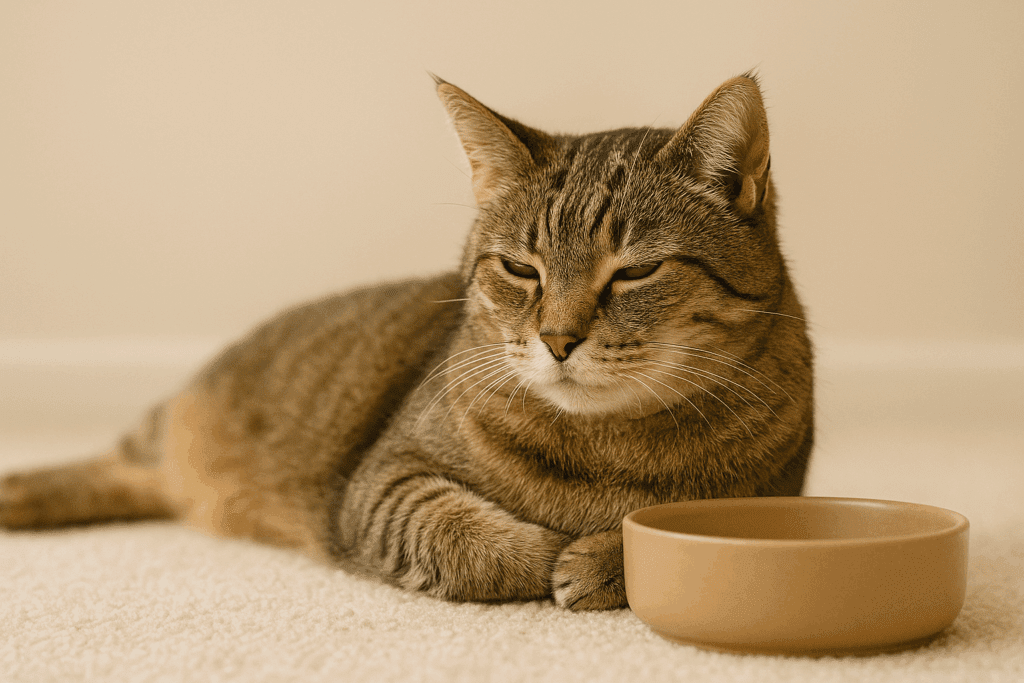
- Changes in appetite.
Key Nutrients for Senior Cats

The foundation of nutrition for older cats lies in understanding how their bodies process food differently as they age. Senior cats may not absorb nutrients as efficiently, and their calorie requirements shift depending on whether they are prone to weight gain or loss. This means the balance of protein, fat, fiber, vitamins, and minerals becomes even more important.
The goal is to provide a diet that sustains energy, prevents muscle loss, and supports organ function, all while being easy to digest. By tailoring your cat’s diet around these key nutrients, you’re essentially giving them the building blocks to stay active and healthy well into their later years. Each nutrient serves a unique purpose, and together they form the complete picture of senior cat wellness.
High-Quality Protein Needs
Cats are obligate carnivores, and protein remains the cornerstone of senior cat nutrition. However, protein sources must be high-quality and highly digestible.
- Best sources: chicken, turkey, salmon, rabbit.
- Why it matters: Prevents muscle wasting and supports overall vitality.
Balanced Fat and Calories
As cats age, their metabolism slows. Some may need fewer calories, while others struggle with weight loss due to poor nutrient absorption.
- Overweight cats benefit from calorie-controlled diets.
- Underweight cats may need calorie-dense formulas.
Digestive Support and Fiber
Digestive changes are common in older cats. Fiber helps with constipation, hairball control, and balanced gut health.
- Sources: beet pulp, pumpkin, psyllium.
Hydration and Moisture Content
Dehydration is a major risk for senior cats, especially with kidney issues. Cats naturally have a low thirst drive, so their diet must provide hydration.
- Wet food or fresh diets help.
- Dry food alone may contribute to dehydration.
Essential Vitamins and Minerals
- Taurine: Essential amino acid for heart and eye health.
- Omega-3 fatty acids: Reduce inflammation, support brain function.
- Vitamin E & C: Antioxidants to fight aging effects.
- Calcium & phosphorus balance: Critical for kidney health.
Types of Diets for Senior Cats

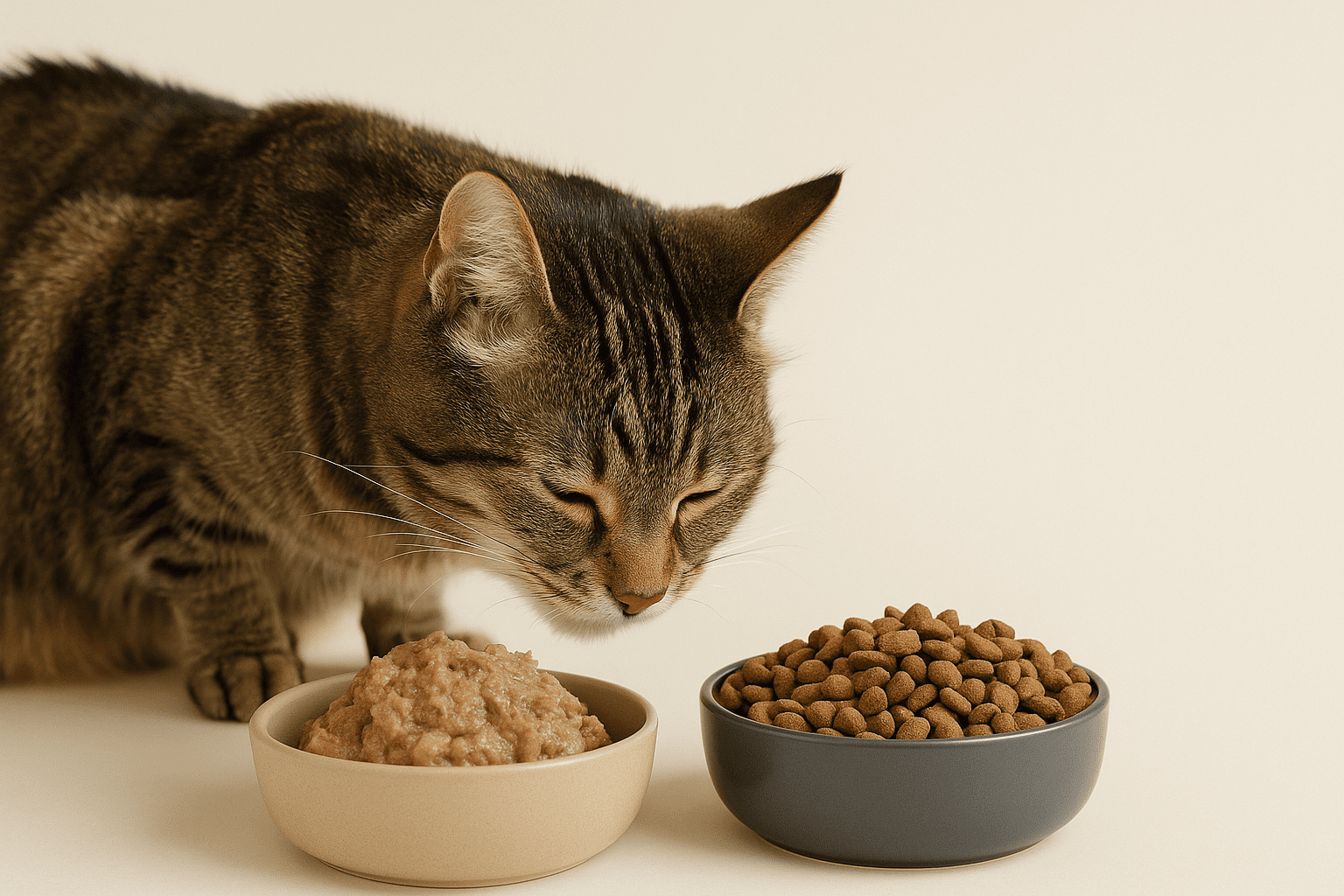
With so many cat foods on the market, choosing the right diet for your aging feline can feel overwhelming. Senior cats often benefit from specialized formulas, but there’s no one-size-fits-all solution. The ideal choice depends on your cat’s health status, weight, and personal preferences. Some cats thrive on dry kibble, while others may need wet or even prescription diets to meet their needs. There’s also a growing interest in fresh or homemade diets, which can be excellent if they’re carefully balanced under veterinary guidance. Experts at International Cat Care note that wet food is often more suitable for older cats due to higher moisture content and palatability.
Dry Food (Kibble) Pros & Cons
By understanding the strengths and weaknesses of each option, you’ll be better equipped to select the best food for senior cats—one that keeps them nourished, hydrated, and satisfied.
- Pros: Convenient, cost-effective, helps reduce tartar buildup.
- Cons: Low in moisture, may be harder to chew.
Wet Food Benefits
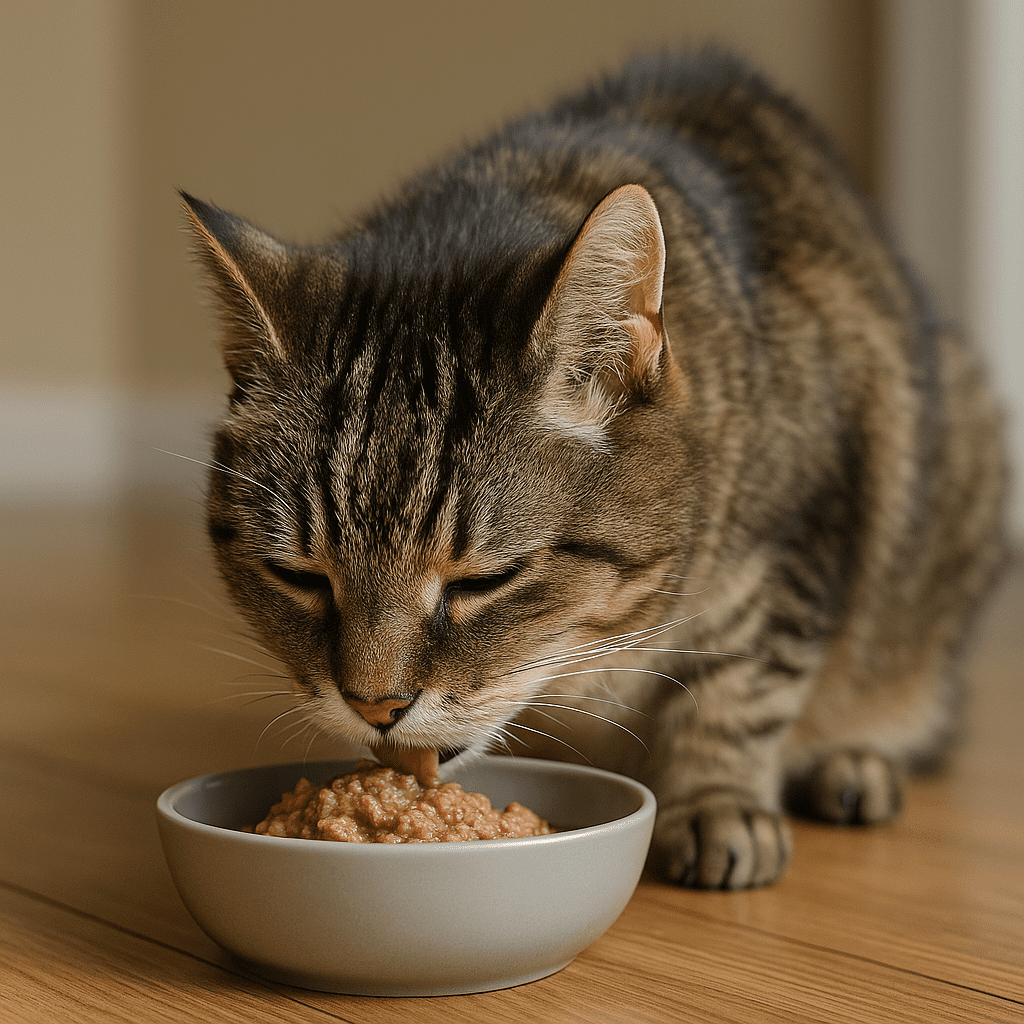
- Pros: High moisture content, softer texture, often more palatable.
- Cons: More expensive, spoils quickly.
Fresh or Homemade Diets
- Pros: Highly palatable, customizable.
- Cons: Risk of nutrient imbalance if not guided by a vet.
Pro Tip: A mixed feeding approach (wet + dry) often works best, offering hydration, variety, and convenience.
For owners interested in preparing meals at home, our guide to homemade food for senior cats explains how to do it safely without risking nutritional deficiencies.
Common Senior Cat Nutrition Challenges

As cats age, certain health conditions become more prevalent, and nutrition plays a central role in managing them. Kidney disease, diabetes, obesity, and dental issues are among the most common concerns for older cats, and each requires a tailored dietary approach. The right nutrition can slow disease progression, reduce symptoms, and even prevent some conditions from worsening. For example, lowering phosphorus helps protect kidneys, while high-protein diets support muscle maintenance in diabetic cats. As PetMD explains, kidney disease and obesity are among the most common conditions in senior cats, both of which are strongly impacted by diet.
These challenges highlight why feeding a generic adult cat diet may not be enough once your feline enters their senior years. Addressing these issues early through a senior cat nutrition plan can make a profound difference in both lifespan and comfort.
Kidney Disease
- Common in senior cats.
- Requires low-phosphorus diets with high moisture.
Diabetes
- Senior cats with diabetes benefit from high-protein, low-carb diets.
- Wet food is usually better than dry for blood sugar control.
Obesity
- Over 40% of older cats are overweight.
- Use calorie-controlled senior formulas and encourage play.
Dental Issues
- Missing or painful teeth make kibble difficult.
- Solutions: switch to canned food, soften kibble with warm water.
Feeding Tips for Senior Cats

Even the best food won’t help if your senior cat isn’t eating it, so feeding strategy matters just as much as the food itself. Older cats may lose their appetite due to diminished senses of smell or taste, or they may struggle with chewing due to dental disease. Small adjustments—like warming food, offering more frequent meals, or changing bowl styles—can significantly improve mealtime success. Monitoring portion sizes and keeping a close eye on weight are also critical, as subtle fluctuations often signal underlying health changes. By fine-tuning how and when you feed your cat, you make it easier for them to get the nutrition they need from their senior diet, day in and day out.
- Offer smaller, more frequent meals.
- Use elevated or shallow bowls to ease arthritis discomfort.
- Warm food slightly to enhance aroma.
- Monitor weight every 2–4 weeks.
- Always keep fresh water available.
Alongside proper nutrition, environmental changes—such as providing a DIY cat ramp—help senior cats maintain independence and reduce strain on aging joints.
Foods to Avoid for Senior Cats

While providing the right nutrients is essential, it’s equally important to know what foods can harm your aging cat. Some foods are outright toxic, while others may be simply too rich or imbalanced for delicate senior systems. For example, onions and garlic damage red blood cells, while dog food doesn’t contain the taurine cats require for heart and eye health. Excessive human treats, high-fat foods, and unbalanced homemade meals can also create more harm than good. The ASPCA Animal Poison Control Center lists onions, garlic, chocolate, and grapes as toxic to cats of all ages.
By steering clear of these foods, you’re not only avoiding short-term digestive upset but also preventing long-term nutritional deficiencies that could affect your cat’s overall wellness. A good rule of thumb: when in doubt, stick to foods specifically formulated for feline nutrition.
Many age-related changes are normal, but others signal disease — this guide on common health problems in senior cats explains what to watch for and when to involve a veterinarian.
When to Talk to Your Veterinarian

No matter how much research you do, your veterinarian remains the best source of guidance for your senior cat’s nutrition. Cats are masters at hiding discomfort, which means serious conditions may only become obvious once they’re advanced. Regular checkups allow your vet to detect issues early and recommend dietary changes before problems escalate. They may suggest bloodwork to check kidney function, thyroid levels, or glucose regulation, all of which inform what kind of diet your cat should be on.
If your cat suddenly loses weight, drinks more water than usual, or refuses food, it’s always worth booking an appointment. Together with your vet, you can create a personalized senior cat nutrition plan that addresses your cat’s unique needs.
FAQs About Senior Cat Nutrition
Cat owners often have pressing questions about what, how, and when to feed their older cats. That’s because the transition into senior care is filled with uncertainties. Should you switch foods at a certain age, or wait until your cat shows signs of aging? Do cats need supplements in their later years, or can a balanced diet cover it all? And what if your cat refuses to eat a new food?

These questions are not only common but also essential to ensuring your cat gets the best care possible. By addressing them clearly and practically, you can avoid confusion and feel confident in the steps you’re taking to keep your senior cat healthy.
At what age should I switch my cat to senior food?
Most cats benefit from a senior cat diet around 7–10 years, depending on health and activity.
Do senior cats need supplements?
Most complete diets cover the basics, but senior cat supplements like omega-3s or joint support may help.
Wet vs dry food for senior cats — which is best?
Wet food supports hydration, but a combination diet often works best.
How much should I feed my senior cat?
Follow feeding guidelines, adjusting based on weight and vet advice.
Why is my senior cat losing weight despite eating?
Could indicate thyroid disease, diabetes, or kidney problems—consult your vet.
Senior Cat Nutrition is a Cornerstone
Caring for a senior cat is both a responsibility and a joy. These loyal companions deserve the best we can give them in their golden years, and senior cat nutrition is a cornerstone of that care. By choosing the right food, avoiding harmful ingredients, and making thoughtful adjustments to feeding habits, you can support your cat’s health at every stage of aging. Pairing good nutrition with regular veterinary care will not only extend your cat’s life but also improve their day-to-day comfort and happiness. At the end of the day, what matters most is that your cat feels loved, nourished, and secure—and that starts with what goes in the bowl.