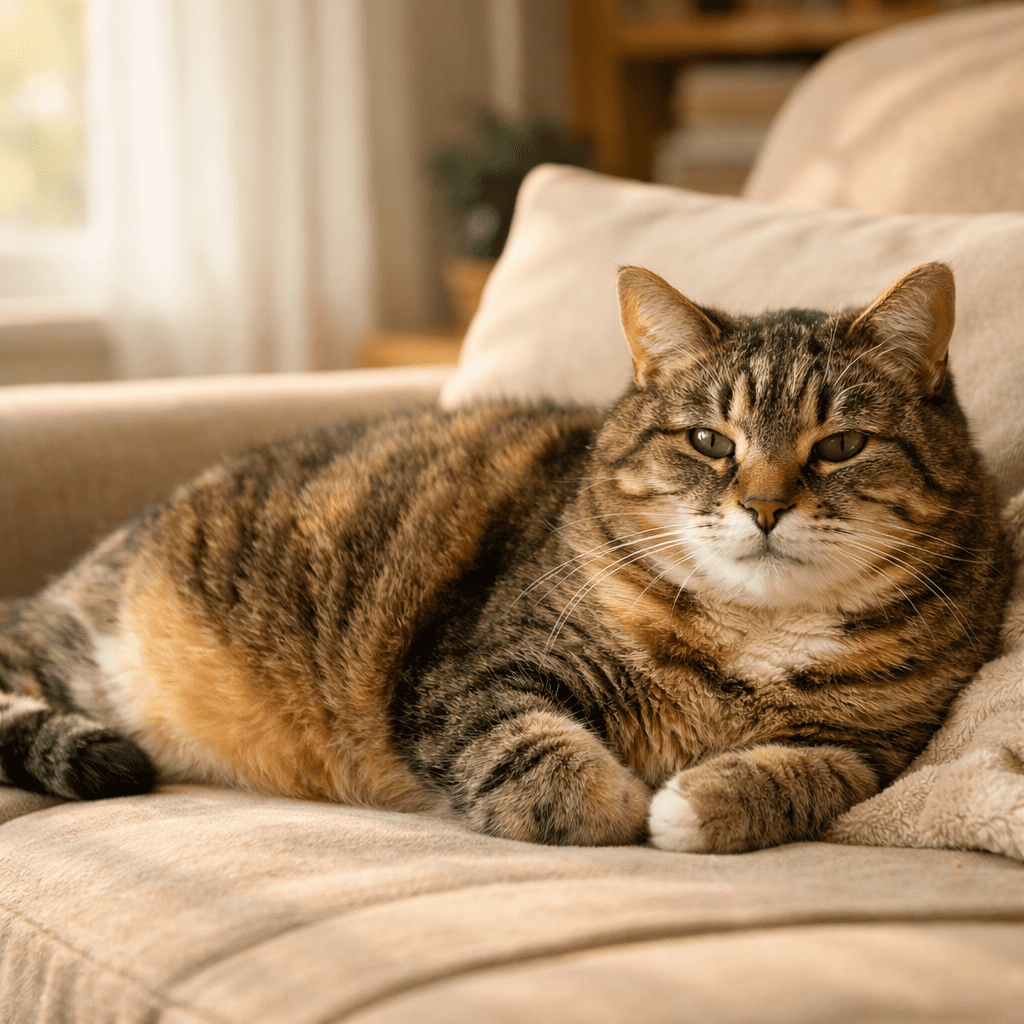
Senior Cat Weight Gain: Causes and Solutions
If your older cat seems to be slowly gaining weight—even though you haven’t changed much—you’re not imagining it. Senior cat weight gain is a common occurrence, often happening gradually and…

Proper nutrition is one of the most important factors in keeping senior cats healthy, comfortable, and thriving. As cats age, their bodies process food differently, and their diets often need to be adjusted to support energy, digestion, and long-term wellness. Choosing the right senior cat food can help manage chronic conditions, maintain a healthy weight, and improve your cat’s overall quality of life.
In this Nutrition section, you’ll find expert advice on all aspects of feeding older cats. We explore the differences between wet food and dry food for senior cats, compare grain-free vs. traditional diets, and highlight vet-recommended options for common conditions such as kidney disease, diabetes, and obesity. You’ll also learn how to recognize and respond to appetite changes, weight loss, or digestive issues that often appear in older cats.
If your older cat seems to be slowly gaining weight—even though you haven’t changed much—you’re not imagining it. Senior cat weight gain is a common occurrence, often happening gradually and…
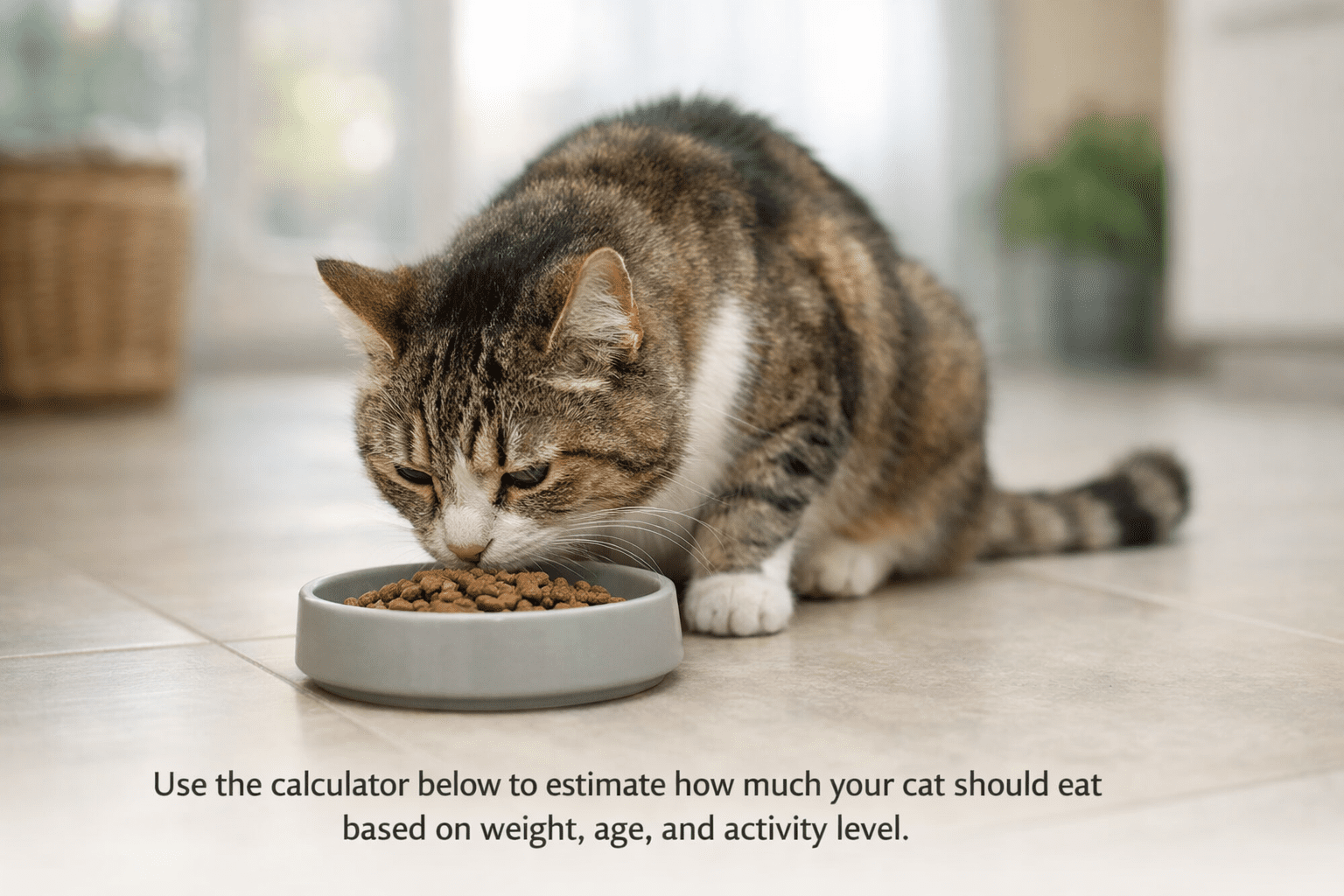
Most adult cats need about 20–30 calories per pound of their ideal body weight per day, depending on age, activity level, and whether they’re spayed or neutered. Senior and indoor…
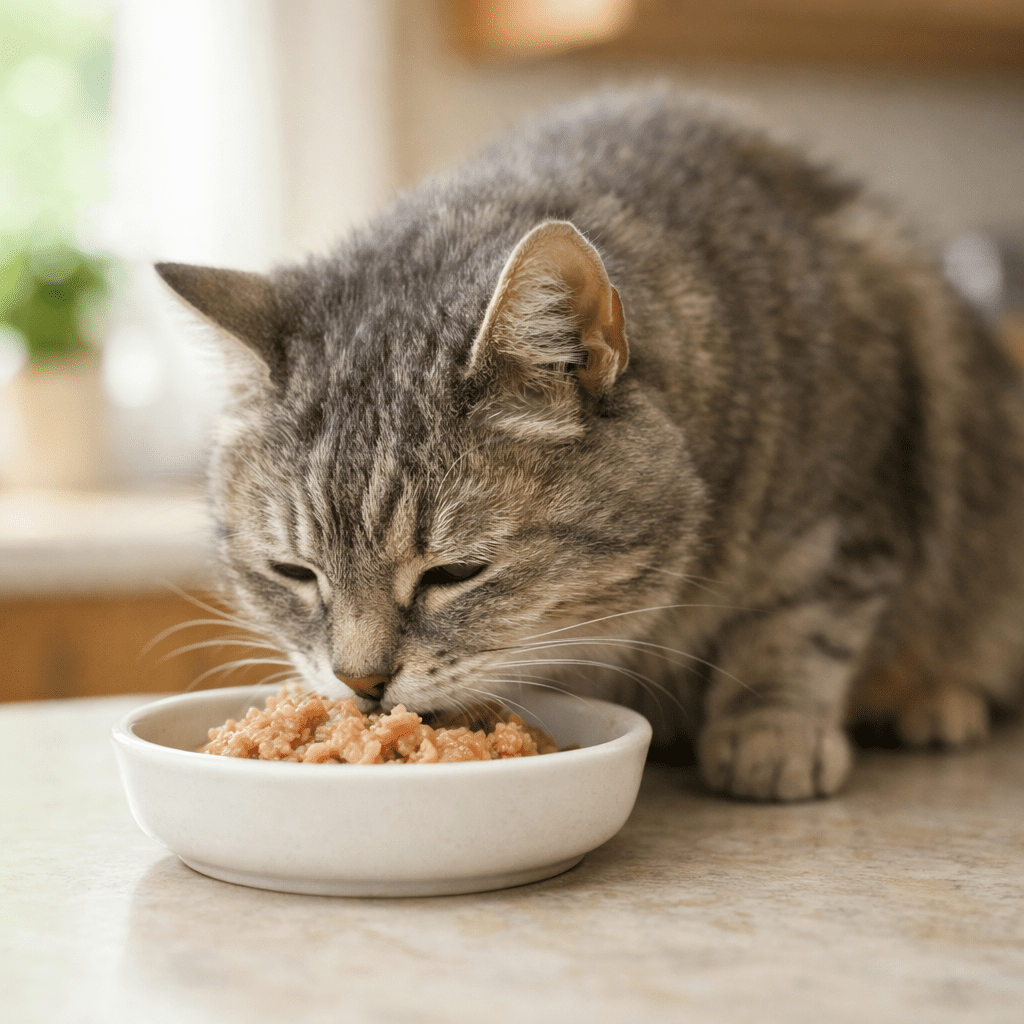
Homemade food for senior cats can be a powerful way to support appetite, hydration, and overall comfort as cats age—but only when nutrition comes first. Older cats have very different…
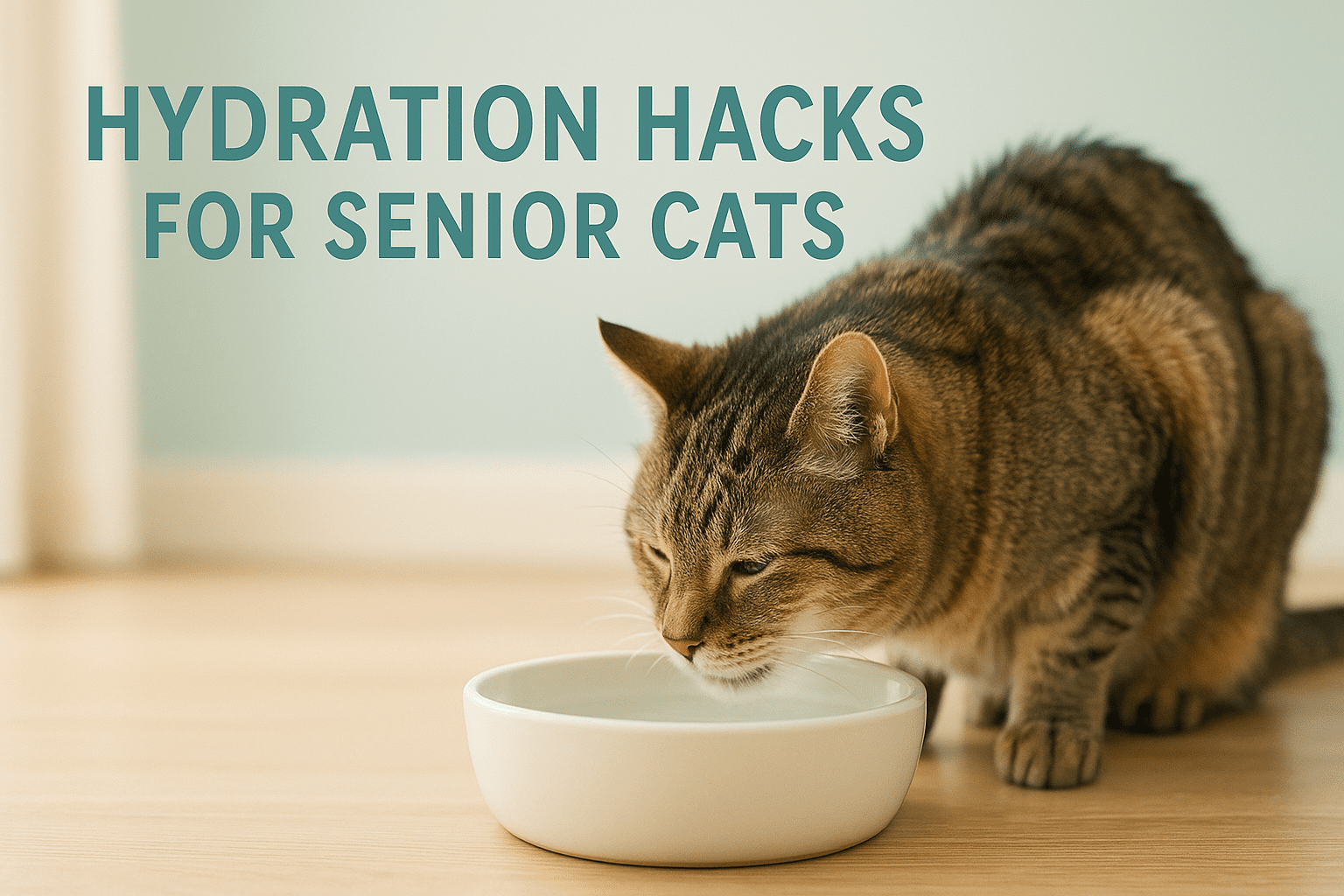
As cats get older, staying hydrated becomes more important—but also more challenging. Many senior cats don’t drink as much water as they should, either because of reduced thirst, mobility issues,…
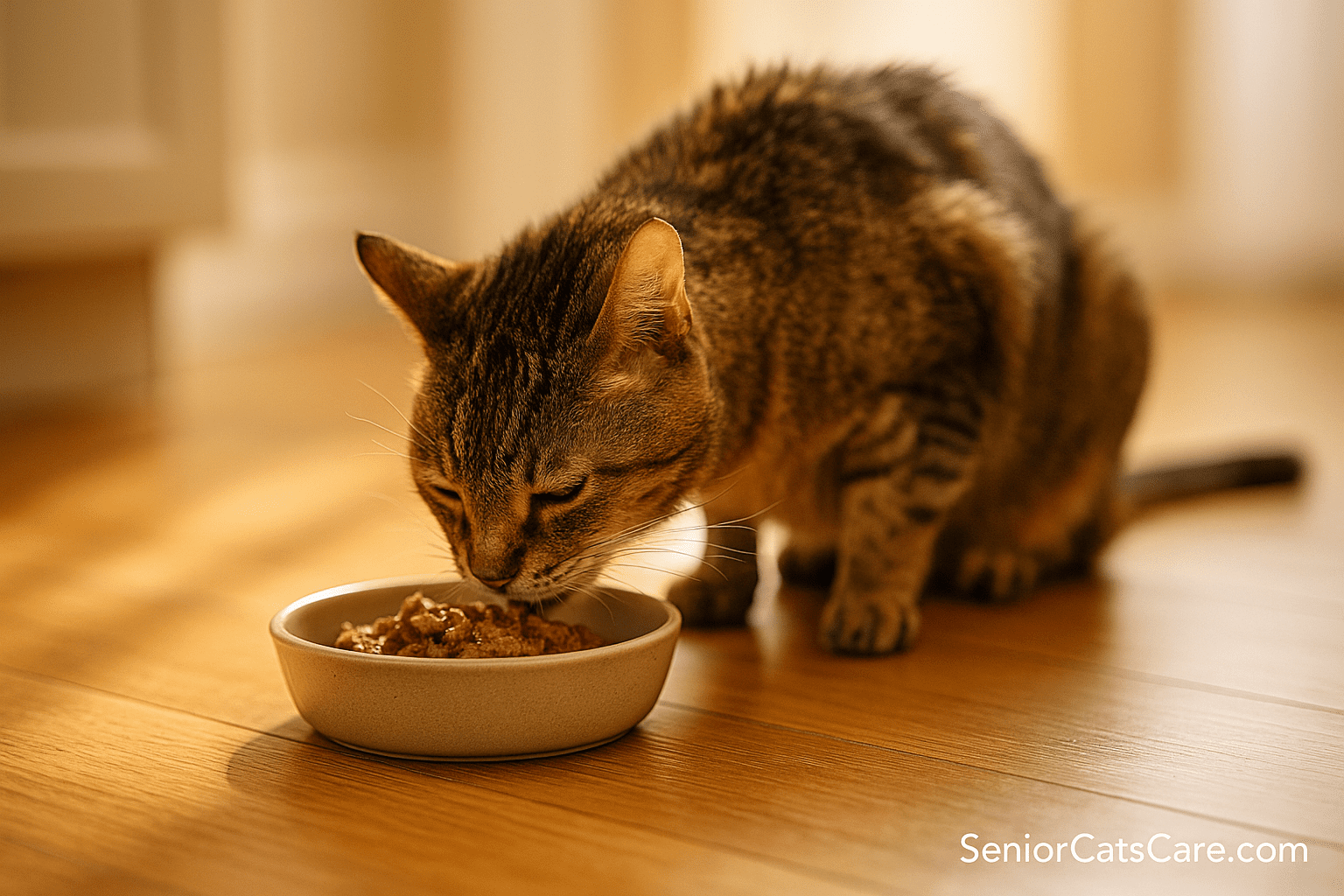
When Your Senior Cat Starts Losing Weight If your older cat seems thinner than before, you’re not alone. Many pet parents notice their senior cat losing weight and wonder if…
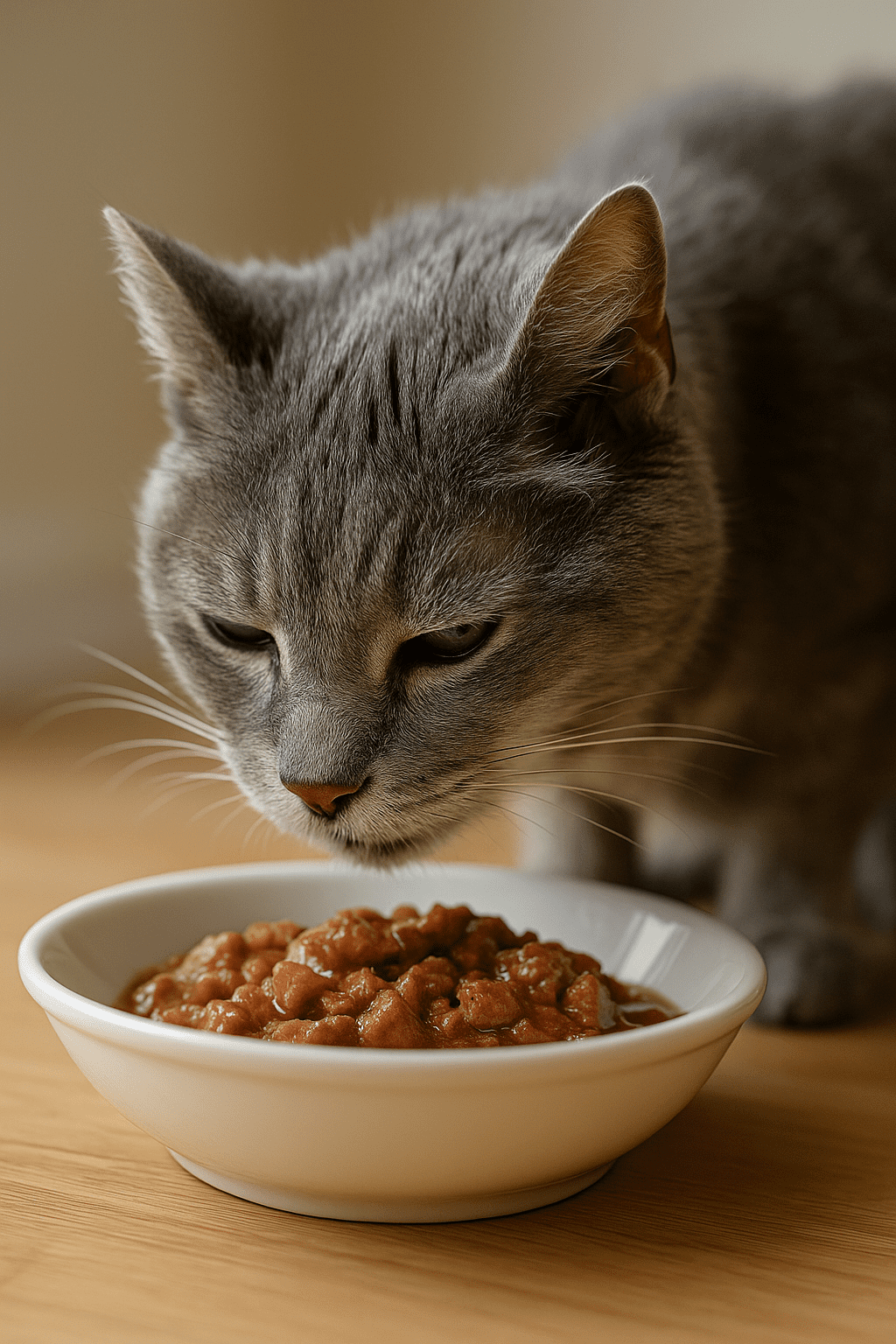
As cats enter their senior years, their nutritional needs evolve — and protein becomes more important than ever. While many pet parents assume older cats need less protein, the truth…
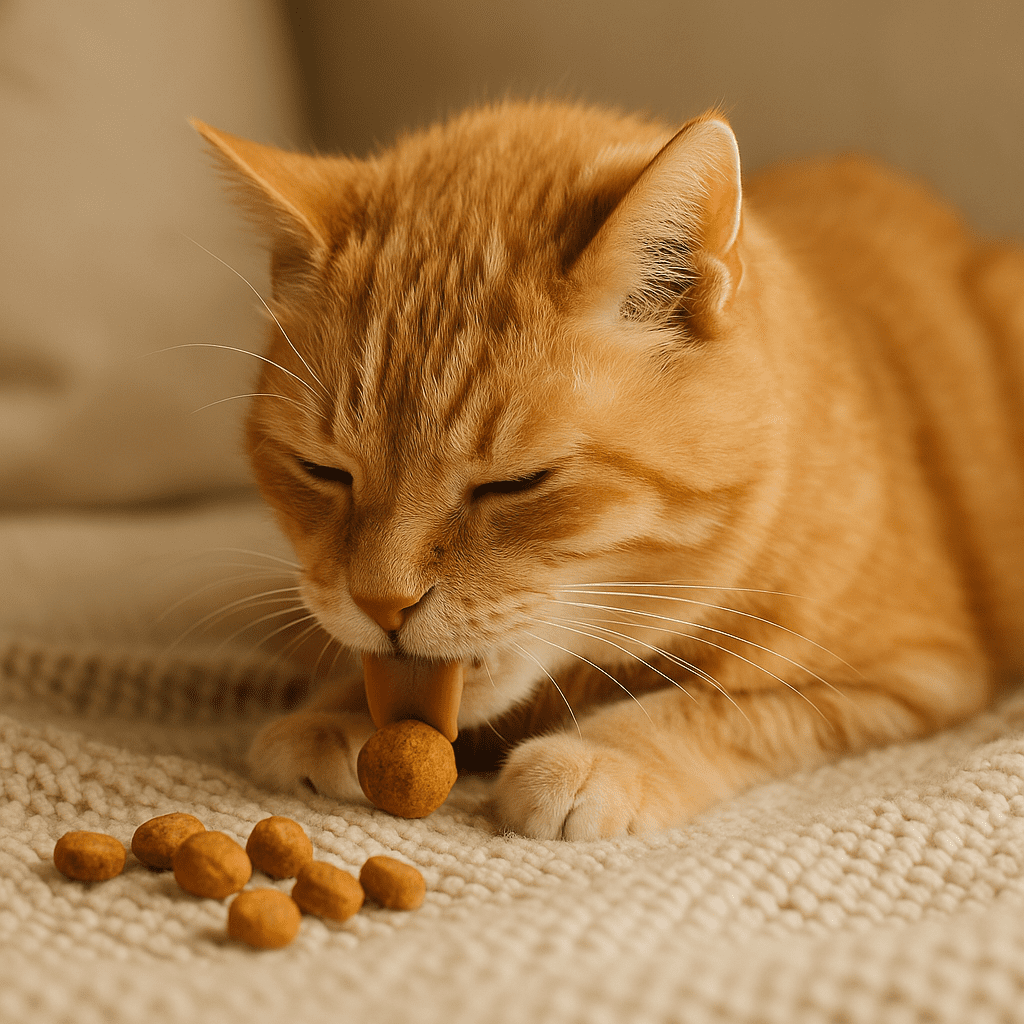
When Treat Time Gets Tricky As our cats enter their golden years, they often develop gentler appetites — and sometimes, gentler stomachs too. If you’ve noticed your older cat turning…
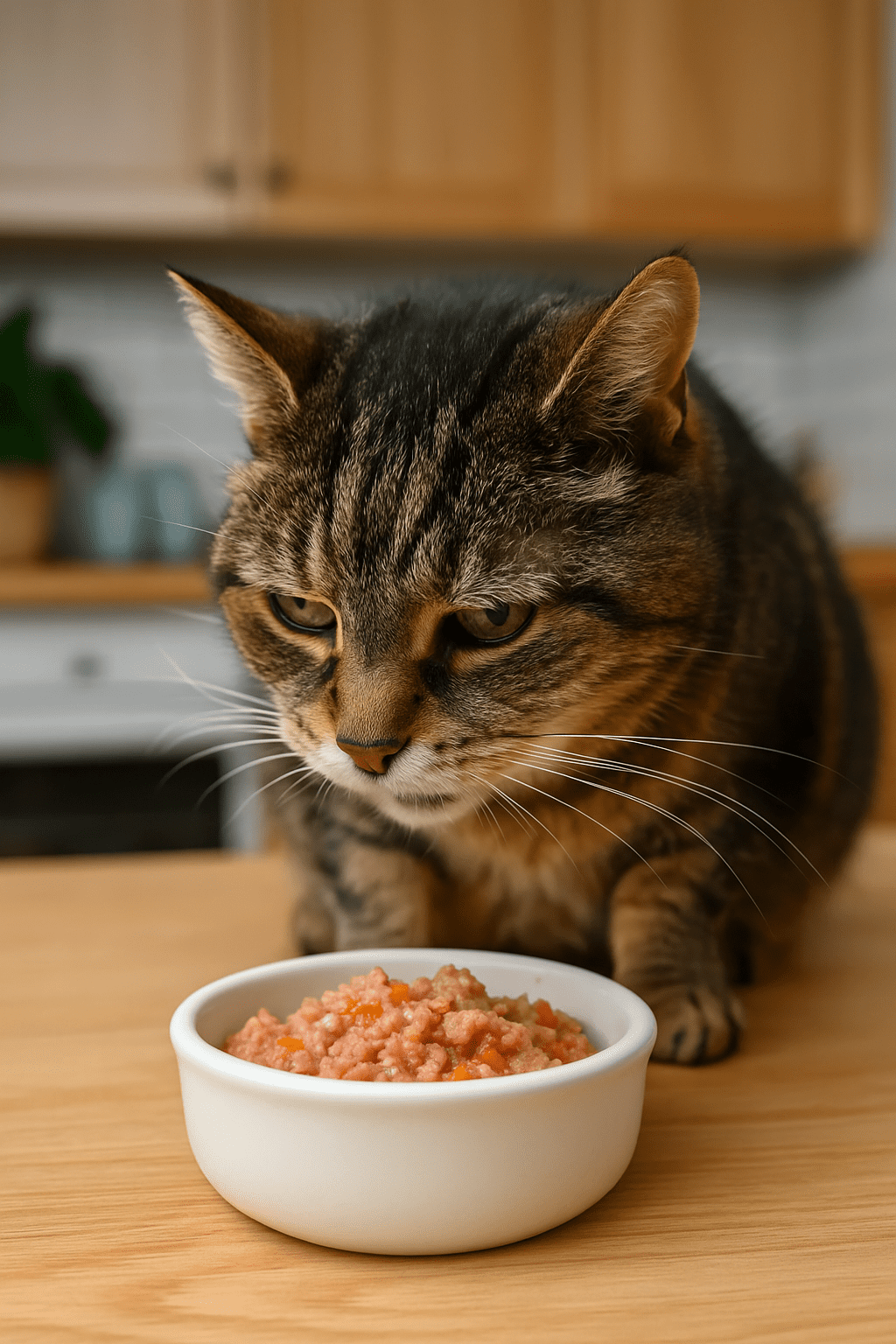
More cat parents are asking: “Is homemade food for senior cats healthier than store-bought diets?” The answer is nuanced. While home-cooked diets can feel fresher and more personal, older cats…
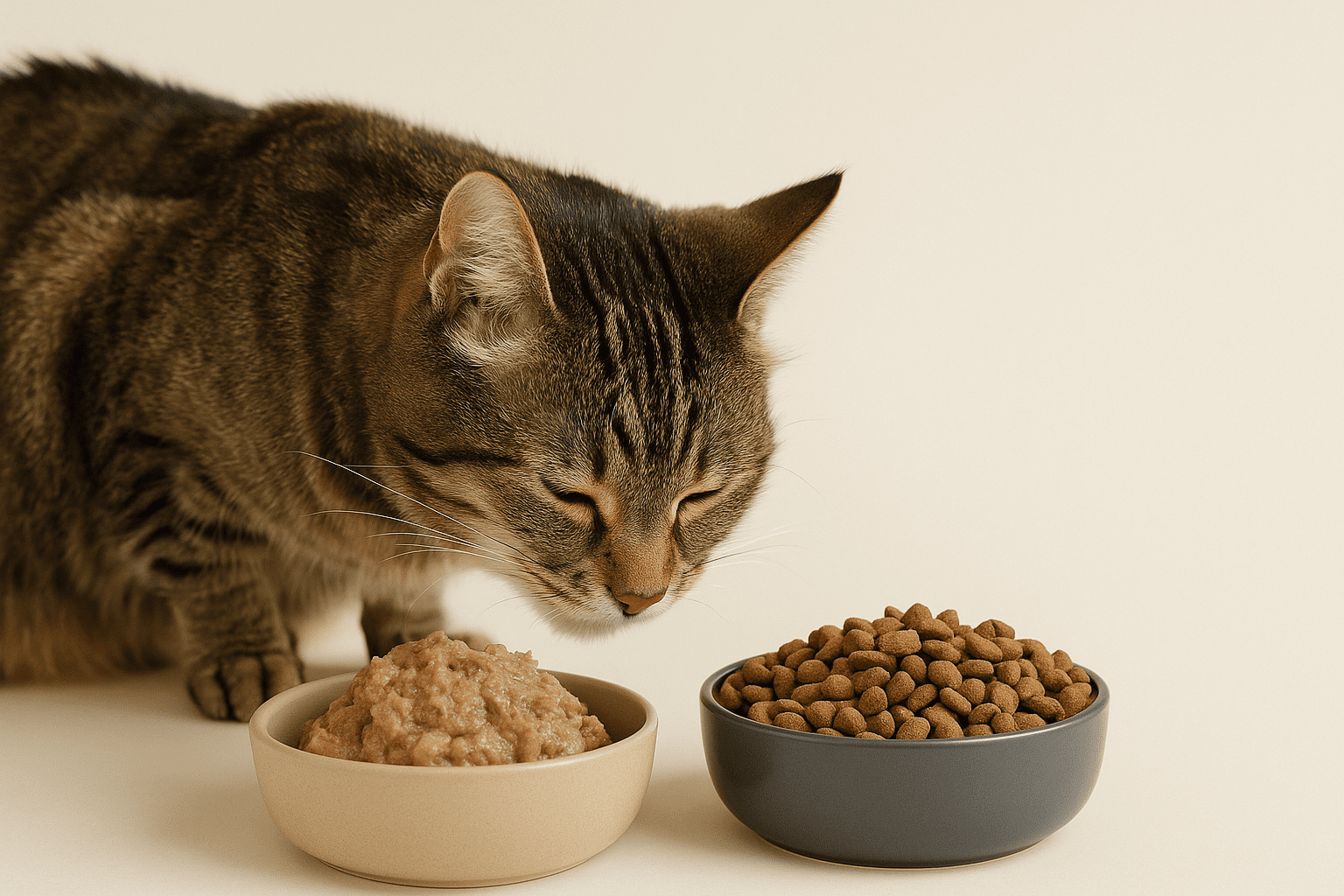
As cats grow older, their nutritional needs change. Senior cat nutrition becomes critical for preventing disease and keeping energy levels up. Senior cats (usually 11 years and older) often face…
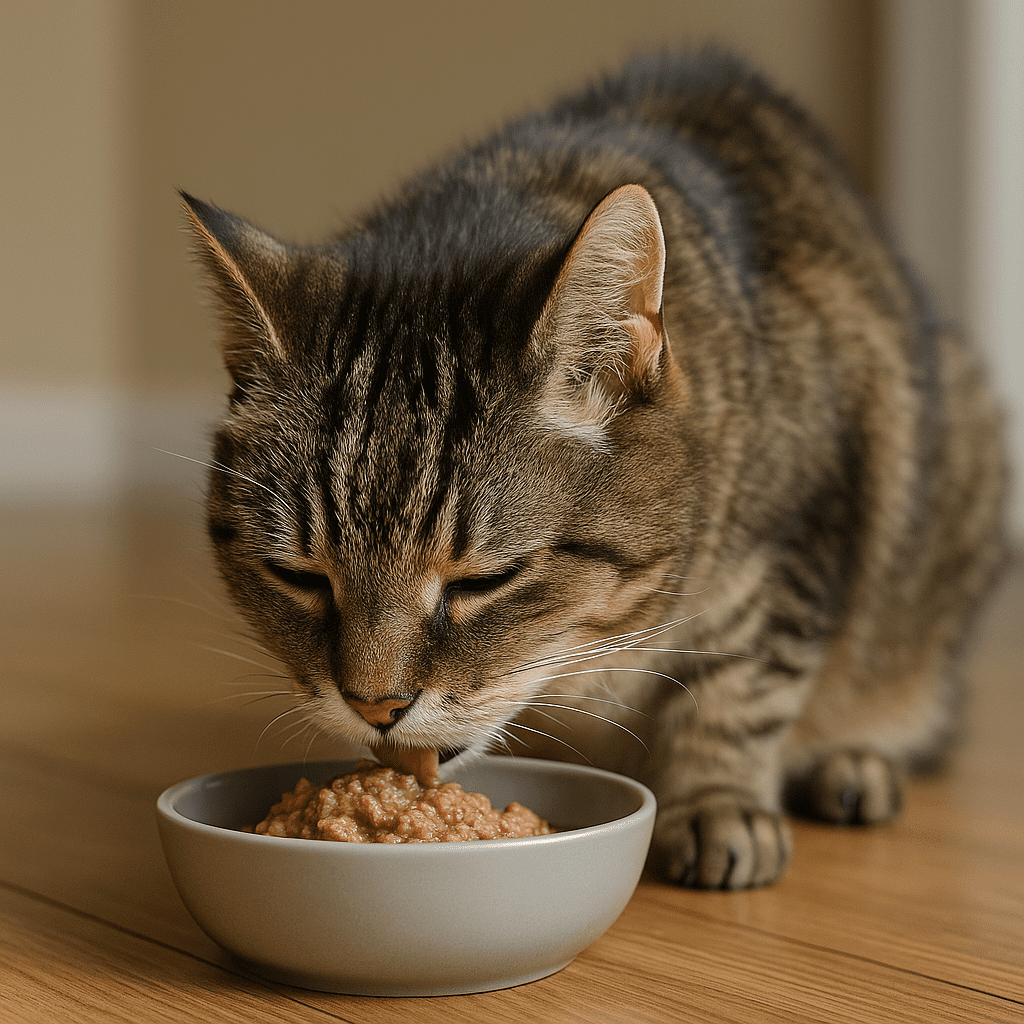
Reviewed by: Dr. Jane Smith, DVMVeterinarian | Feline Health SpecialistLast updated: October 2025 When your cat reaches their golden years, kidney disease is one of the most common health concerns.…