
A Senior Cat’s Lifespan
Every cat lover wants their furry friend to live as long, happy, and healthy a life as possible. But did you know that where your senior cat lives—indoors or outdoors—can have a big impact on lifespan? While genetics, diet, and veterinary care play huge roles, lifestyle and environment are often the biggest deciding factors in how long senior cats live.
In this guide, we’ll explore:
- The average senior cat lifespan indoors vs outdoors
- Why indoor cats tend to live longer
- The risks outdoor cats face as they age
- Practical tips for helping your senior cat thrive well into their golden years
- Best Supplements for Senior Cats Longevity
What Is Considered a Senior Cat?
Generally, the average age of senior cats is considered around age 10–12, though some experts classify 7+ as “senior.” From this stage forward, cats are more prone to age-related health issues such as kidney disease, arthritis, and dental problems.
👉 Learn more about the stages of senior cat care in our dedicated guide.
Average Lifespan of Senior Cats
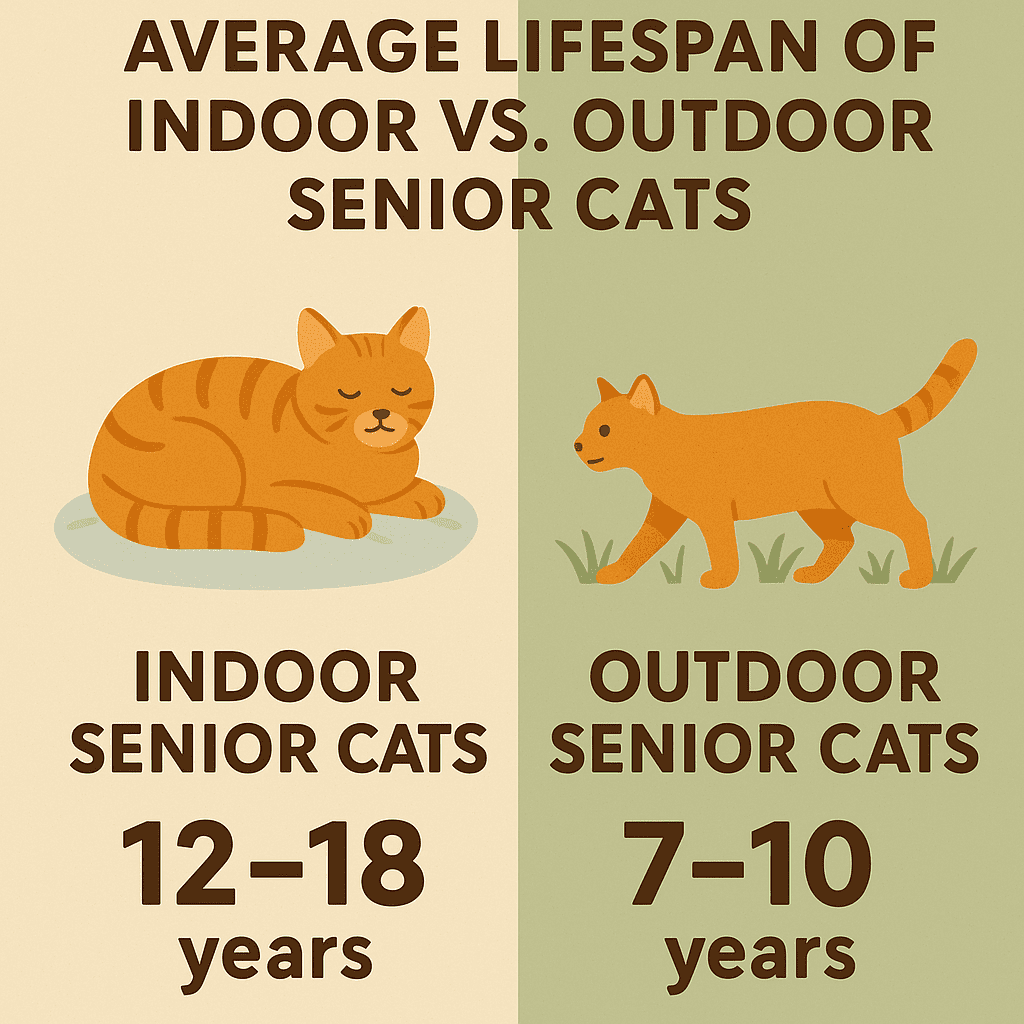
The average cat lifespan varies greatly depending on lifestyle:
- Indoor cats: 12–18 years, with many reaching their early 20s
- Outdoor cats: 7–10 years on average, though some may live longer with luck and attentive care
That’s nearly double the lifespan for indoor senior cats compared to their outdoor counterparts.
According to the ASPCA, keeping cats indoors significantly increases both lifespan and quality of life.
Why Indoor Senior Cats Live Longer

Indoor cats are generally safer because they are protected from:
- Traffic accidents – One of the leading causes of premature feline death
- Predators and other animals – Dogs, coyotes, or aggressive cats can cause fatal injuries
- Toxins and poisons – Exposure to pesticides, antifreeze, or harmful plants
- Extreme weather – Senior cats have a harder time regulating body temperature
Indoor living means fewer hazards, more consistent meals, and better access to regular veterinary care—all of which contribute to a longer senior cat lifespan.
Challenges for Outdoor Senior Cats
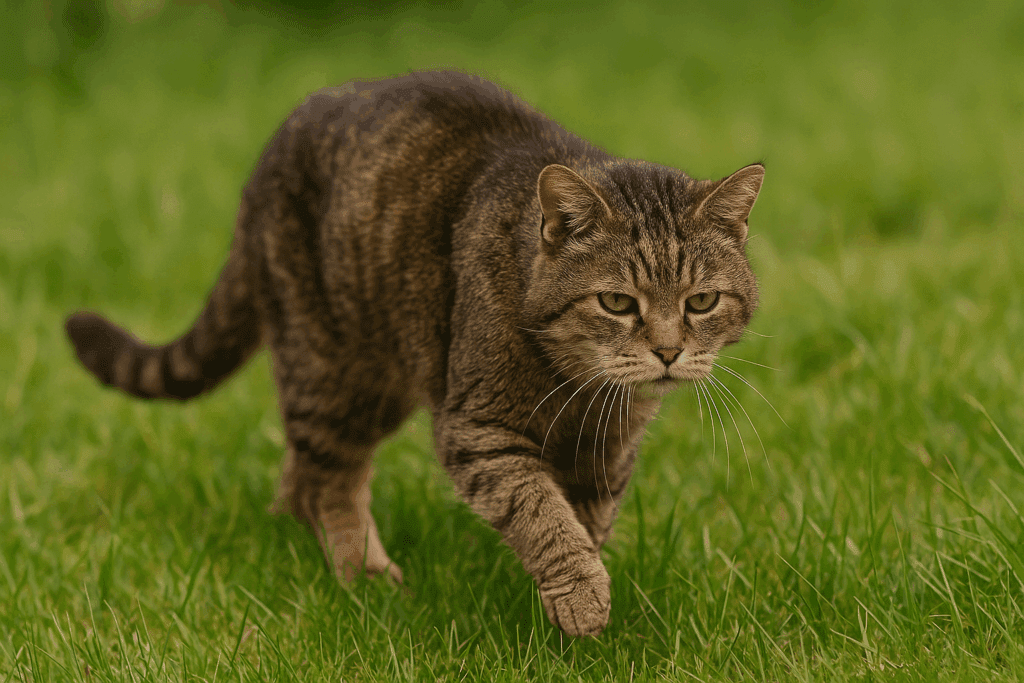
Outdoor cats face more risks, especially as they age:
- Weakened reflexes – Making it harder to avoid cars or predators
- Higher parasite exposure – Fleas, ticks, and worms are more common
- Greater risk of infections – Fights with other cats can spread diseases like FIV or FeLV
- Inconsistent diet – Outdoor cats may rely on hunting or scavenging, which isn’t ideal for senior cat health
The Cornell Feline Health Center also notes that outdoor exposure increases the risk of infectious diseases, which can shorten a cat’s lifespan.
How to Extend Your Senior Cat’s Lifespan
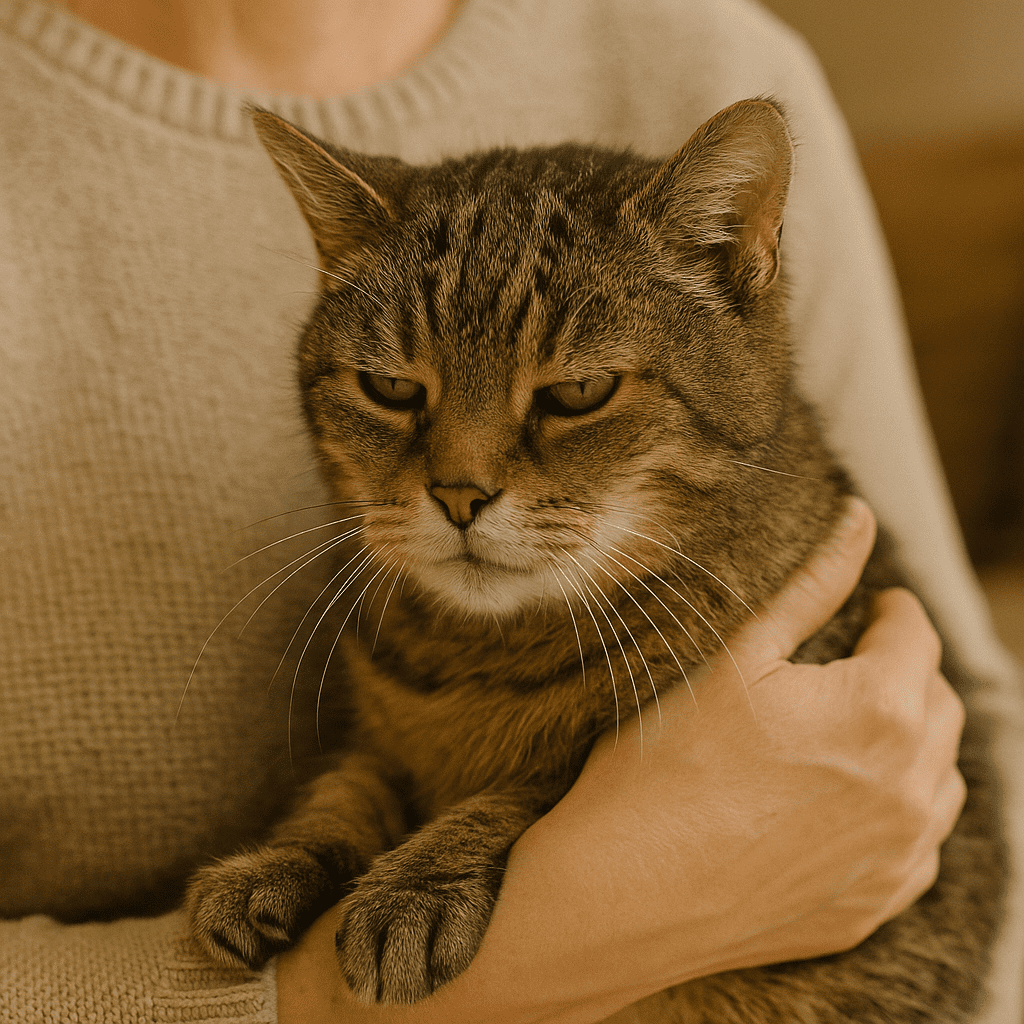
No matter where your cat lives, you can take steps to help them enjoy a longer, healthier life:
- Routine veterinary checkups – At least twice a year for senior cats
- Age-appropriate diet – Senior cat food supports joint health, digestion, and weight management
- Regular grooming – Helps monitor for lumps, bumps, or changes in coat quality
- Safe enrichment – Cat trees, puzzle feeders, and window perches for indoor cats; supervised outdoor time with a leash or catio
- Dental care – Professional cleanings and at-home brushing if tolerated
- Hydration – Encourage water intake with fountains or wet food to support kidney health
👉 Check out our Senior Cat Dental Checklist and Dental Guide to keep track of your cat’s wellness routine.
Indoor vs Outdoor Lifestyle: Finding Balance
Some cat owners choose a middle ground:
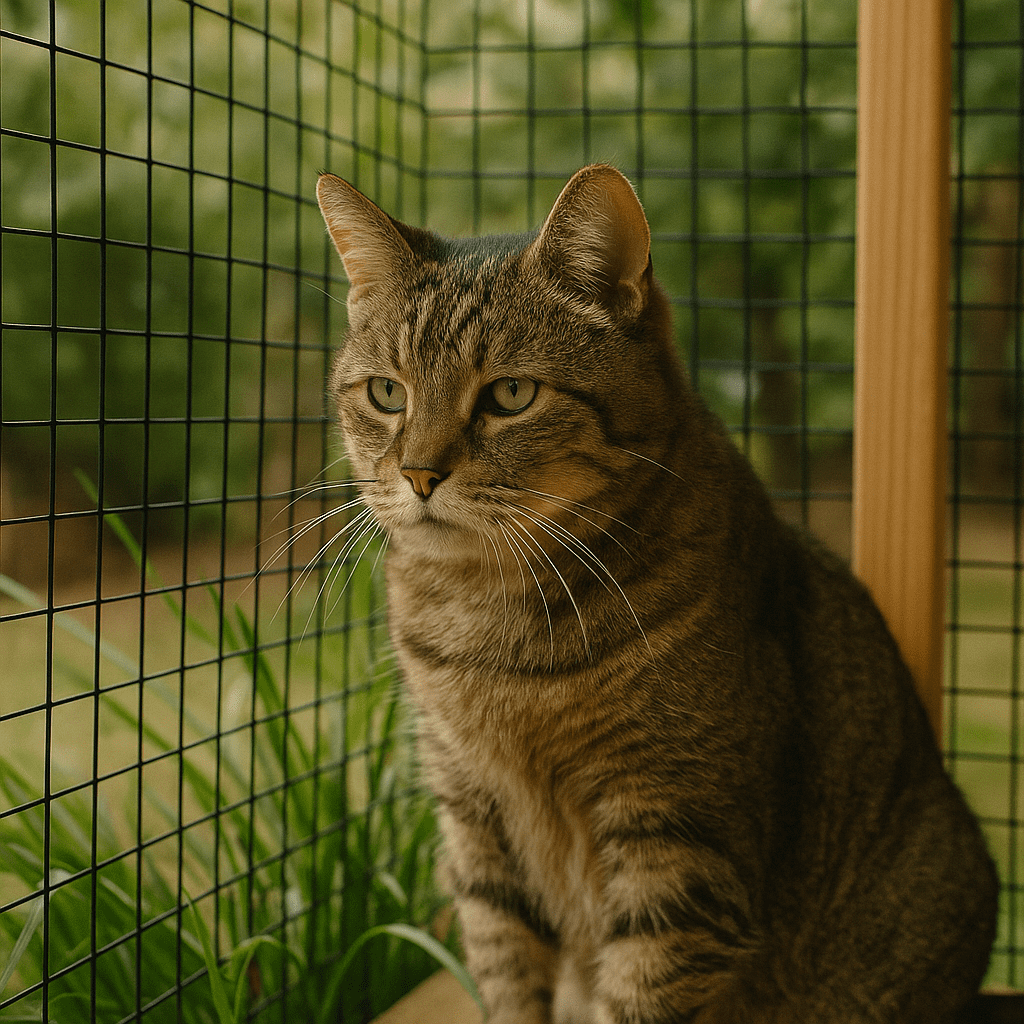
- Catio (enclosed patio spaces) – Provide fresh air and sunshine with safety
- Leash training – Allows outdoor exploration under supervision
- Window perches – Give indoor cats stimulation while staying safe
👉 Looking for ways to make your home more cat-friendly? Read our Senior Cat Care Tips for enrichment ideas.
FAQs About Senior Cat Lifespan
How long do senior cats live indoors?
The indoor cat lifespan is 12–18 years, and it’s not unusual for them to reach their early 20s with proper care. Indoor life eliminates many external dangers like cars, predators, and harsh weather. Combined with consistent access to food, water, and veterinary care, these factors greatly extend an indoor cat’s longevity. Many owners report their senior cats staying active and comfortable well past 15 years of age.
Do outdoor cats really live shorter lives?
Yes, the outdoor cat lifespan typically is 7–10 years on average, which is almost half the lifespan of indoor cats. Outdoor cats face constant risks such as traffic, predators, disease exposure, and toxins. While some cats beat the odds and live long outdoor lives, statistically, the hazards reduce life expectancy. Outdoor senior cats, in particular, may have slower reflexes and weaker immune systems, making survival more difficult as they age.
Can an outdoor senior cat transition indoors?
The oldest cat on record, Creme Puff, lived to 38 years old in Texas, which is an extraordinary case. While this isn’t typical, it shows the potential cats have when given exceptional care. Most senior indoor cats will not reach 30+, but many comfortably live into their late teens or early 20s with attentive health management. Stories like Creme Puff’s remind cat owners that a long lifespan is possible with the right environment, diet, and veterinary support.
What’s the oldest recorded age for a cat?
The oldest cat on record, Creme Puff, lived to 38 years old in Texas, which is an extraordinary case. While this isn’t typical, it shows the potential cats have when given exceptional care. Most senior indoor cats will not reach 30+, but many comfortably live into their late teens or early 20s with attentive health management. Stories like Creme Puff’s remind cat owners that a long lifespan is possible with the right environment, diet, and veterinary support.
How often should senior cats see the vet?
Senior cats should visit the vet every six months, even if they seem healthy. Cats are experts at hiding illness, and regular checkups allow for early detection of common age-related issues such as kidney disease, hyperthyroidism, arthritis, and dental disease. Early treatment often leads to better outcomes and a longer, higher-quality life. Many vets also recommend bloodwork and dental cleanings as part of a senior wellness plan. For more on senior cat health, see the common senior cat health problems guide.
Keeping Your Cat Safe
Your cat’s environment is one of the most important factors in determining senior cat lifespan. While outdoor cats enjoy freedom and stimulation, the risks shorten their years dramatically compared to indoor cats. By keeping your cat safe, well-fed, and regularly checked by a vet, you can give them the best chance at a long, happy life.