More cat parents are asking: “Is homemade food for senior cats healthier than store-bought diets?” The answer is nuanced. While home-cooked diets can feel fresher and more personal, older cats have very specific nutritional needs. Without expert guidance, homemade meals can actually create dangerous nutrient gaps.
This guide—medically reviewed by Stephen Dixon DVM—explains when homemade feeding is safe, when it isn’t, and how to do it right if your veterinarian approves.
Are Homemade Diets Safe for Senior Cats?
Homemade diets can work only if they’re complete and balanced. Unfortunately, most internet recipes for “senior cat homemade food” lack taurine, calcium, and essential fatty acids. Long-term, that can worsen kidney disease, heart problems, or muscle loss—issues already common in senior cats.
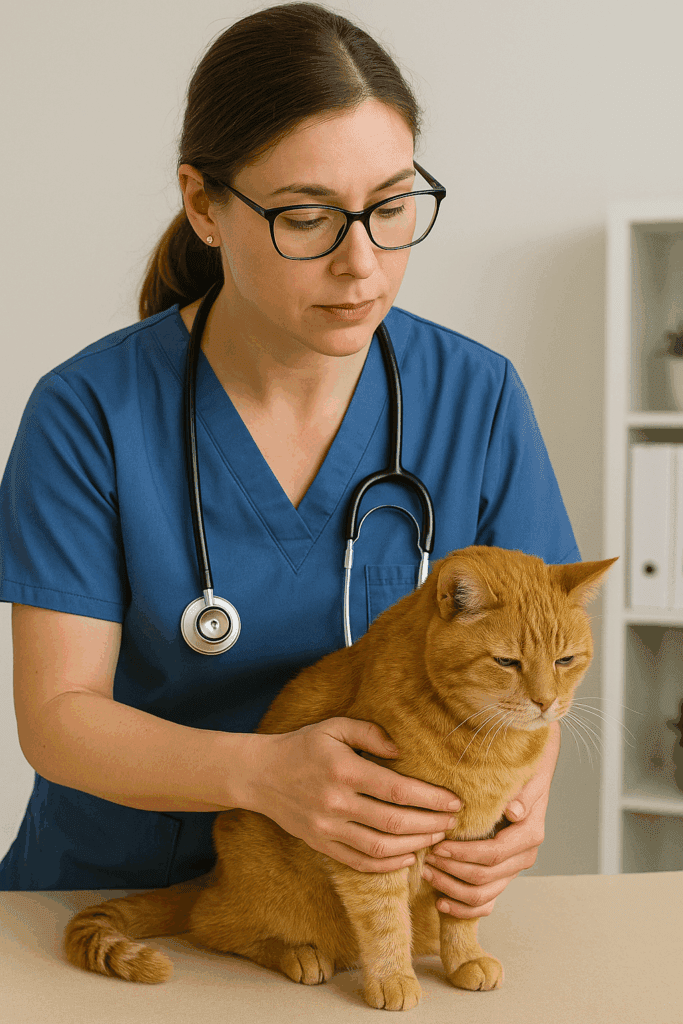
⚠️ Danger: Feeding an unbalanced homemade diet for months can cause irreversible nutrient deficiencies.
Cornell University College of Veterinary Medicine emphasizes that unbalanced diets are unsafe for long-term feeding.
Complete & Balanced: The Gold Standard
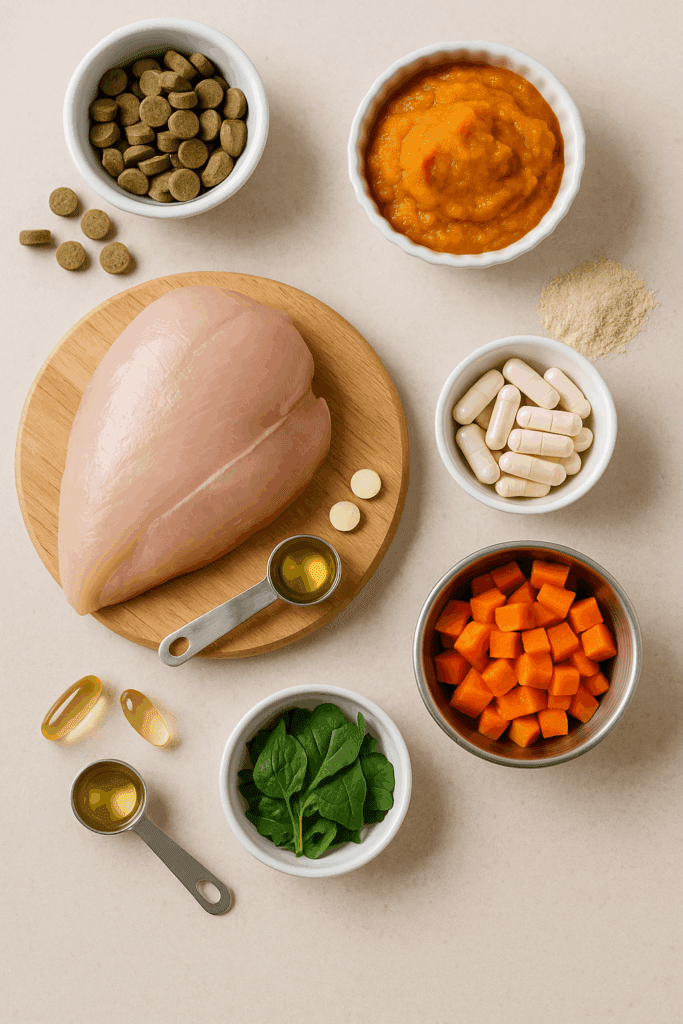
For older cats, the nutrient profile must still meet AAFCO adult maintenance or all life stages standards. There is no official AAFCO senior profile. That’s why commercial senior foods are essentially adult diets with adjustments.
- Complete = contains all required nutrients
- Balanced = nutrients are in correct ratios
💡 Pro Tip: If your recipe isn’t tested against AAFCO or FEDIAF standards, it’s not safe for exclusive feeding.
The FDA highlights how to check labels for AAFCO adequacy statements.
Raw vs. Cooked at Home
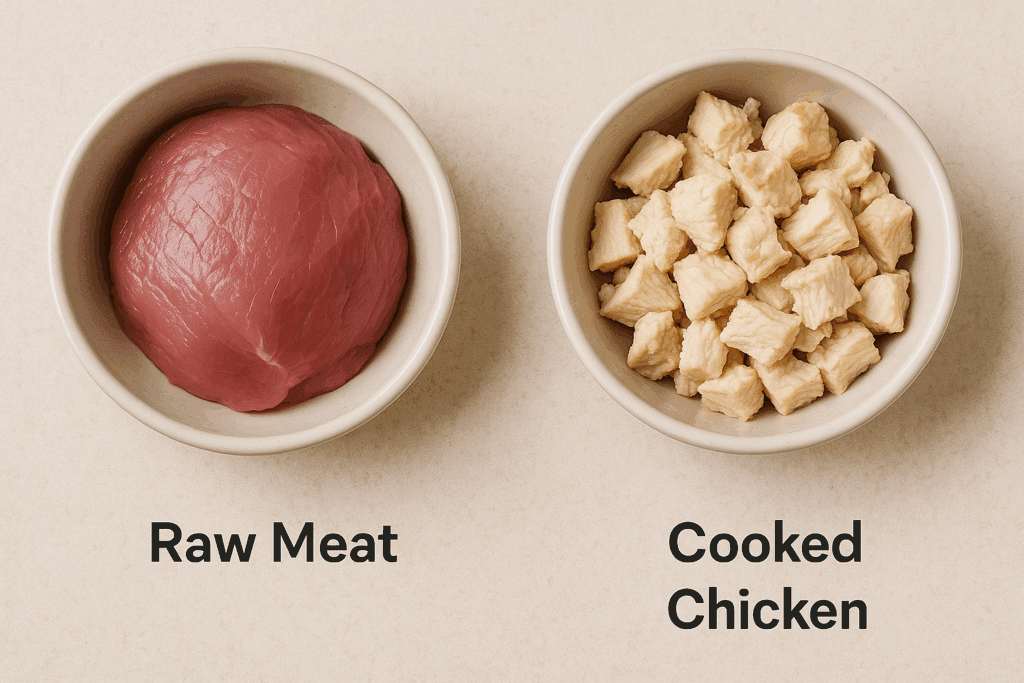
- Raw diets: Higher risks for seniors because their immune systems are weaker. Salmonella, E. coli, and bone fragments are real dangers.
- Cooked diets: Safer, but still require precise supplements to avoid gaps.
⚠️ Danger: Never feed cooked bones or raw meat without vet approval—both pose serious health risks.
VCA Animal Hospitals note that seniors are especially vulnerable to pathogens in raw foods.
How to Do Homemade Safely
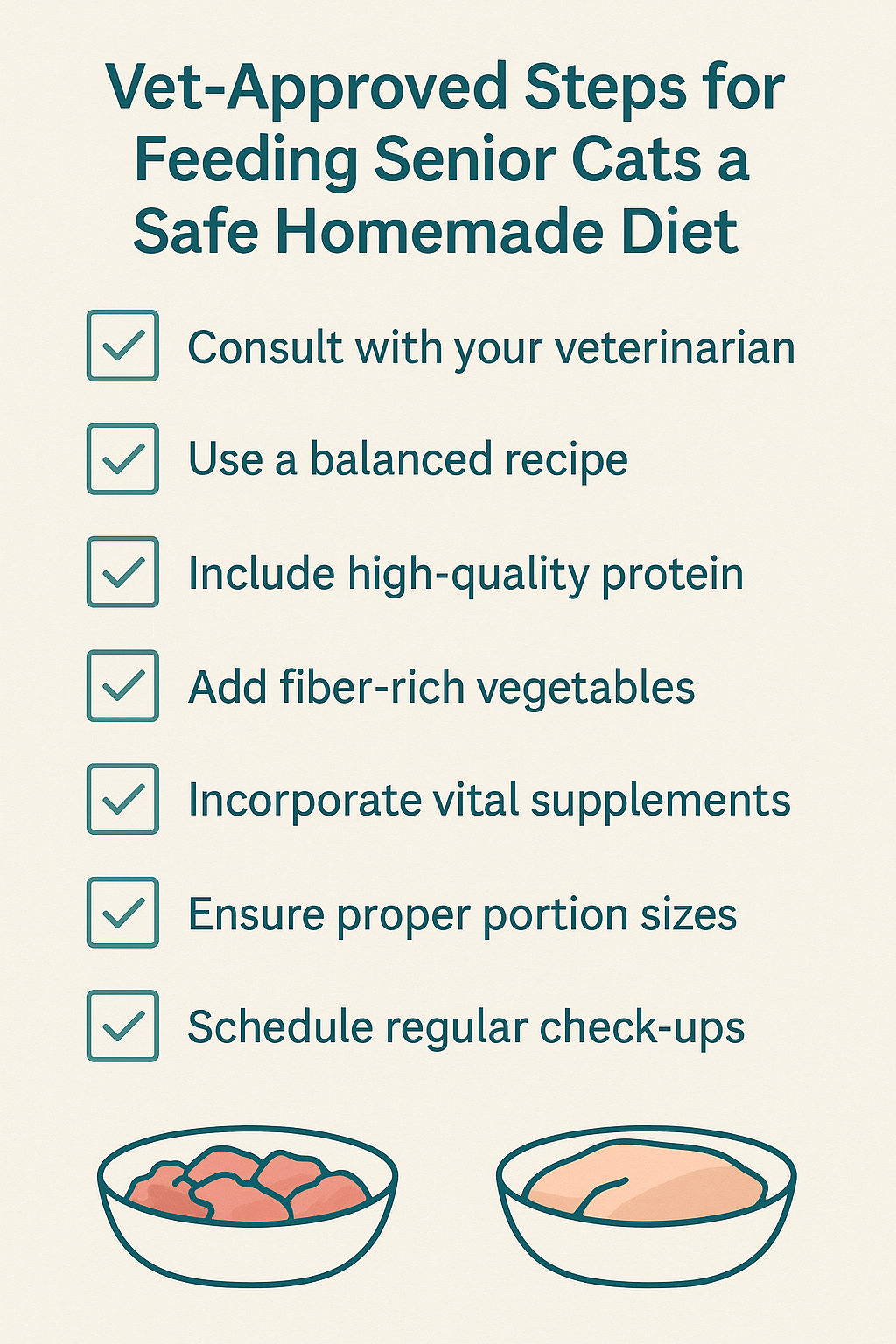
If your DVM recommends homemade food, follow this process:
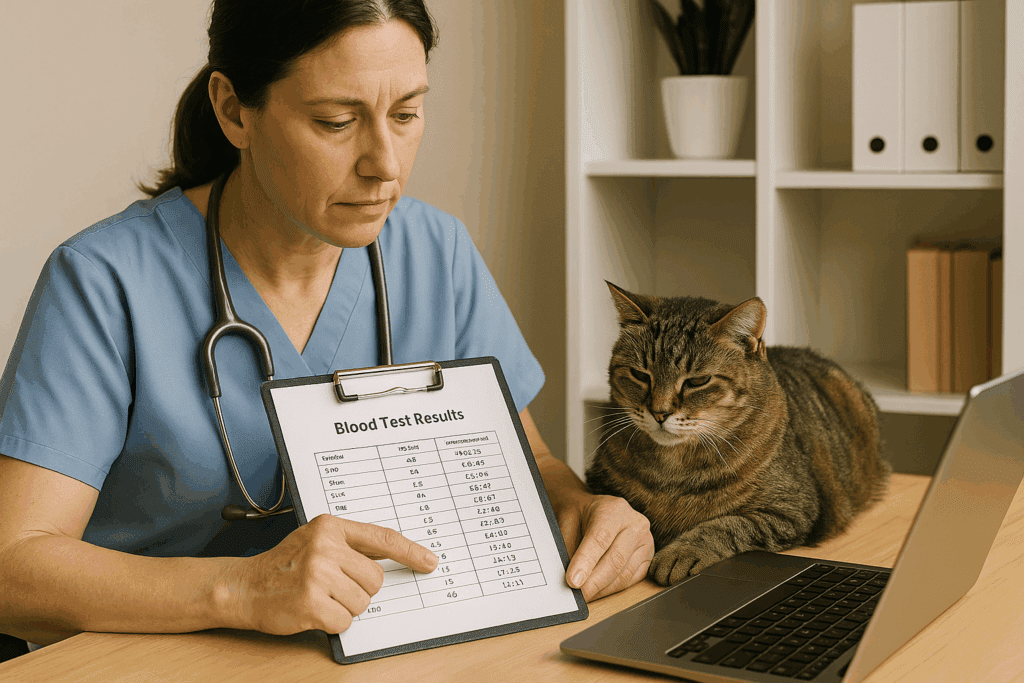
- Lab work first. Seniors need baseline bloodwork, urinalysis, and blood pressure checks.
- Use a vet-formulated recipe. Board-certified veterinary nutritionists (ACVN) can tailor plans.
- Add recipe-specific supplements. A generic multivitamin is not enough.
- Cook and portion safely. Refrigerate within 30 minutes; freeze extras.
- Re-check labs. At least twice per year to ensure your cat’s diet still fits their health needs.
💡 Pro Tip: Keep a feeding journal. Track weight, coat quality, stool consistency, and appetite changes weekly.
Homemade vs. Commercial Diets
Homemade Pros
- Fresh, customizable
- Useful for cats with multiple allergies or food intolerances
Homemade Cons
- Time-consuming
- Nutritional risk without expert formulation
- Costly supplements and follow-up vet visits
Commercial Pros
- Already AAFCO balanced
- Convenient, consistent
- Vet-endorsed senior formulas available
Commercial Cons
- May not suit cats with complex medical needs
✅ Best Practice: Consider homemade as a supplement (e.g., toppers) unless your vet prescribes a full home-cooked plan.
FAQs
Is there an AAFCO “senior” standard?
No—only adult maintenance and all life stages exist.
Can I use online recipes?
Not unless they are verified balanced for cats and used with the exact supplement kit recommended.
Is raw safe for my 12-year-old cat?
Vets usually advise against it due to infection and bone hazards.
How do I compare protein across foods?
Use the dry matter basis method to compare labels fairly.
How often should I do labs?
Every 6–12 months minimum, sooner if your cat has kidney or thyroid disease.
More Articles on Senior Cat Nutrition
- Wet vs Dry Food: What’s Best for Senior Cats?
- Best Food for Senior Cats With Kidney Disease
- Senior Cat Nutrition Guide
Book a Consult
Homemade food for senior cats can be safe—but only with veterinary oversight, precise supplementation, and regular health checks. For most pet parents, a high-quality commercial senior diet remains the safest and simplest choice. If you’re curious about cooking for your senior, book a consult with a DVM or board-certified veterinary nutritionist first.