Homemade food for senior cats can be a powerful way to support appetite, hydration, and overall comfort as cats age—but only when nutrition comes first. Older cats have very different needs than younger adults, and poorly balanced homemade diets are one of the most common causes of preventable health problems in senior cats.
This guide is designed to help you do it safely and intelligently. You’ll learn how senior cat nutrition changes with age, what veterinarians actually mean by “vet-approved,” and how to prepare balanced, senior-appropriate homemade food without risking long-term deficiencies.
Understanding how aging affects protein metabolism, hydration, and nutrient absorption is essential—our complete guide to senior cat nutrition needs explains these changes in detail and how they influence feeding decisions.
Important: Always consult your veterinarian before switching a senior cat to homemade food, especially if kidney disease, diabetes, digestive disorders, or weight loss are present.
How Senior Cats’ Nutritional Needs Change
Senior cats are not just “older adults.” Aging affects metabolism, digestion, hydration, and nutrient absorption in ways that directly impact diet choices.
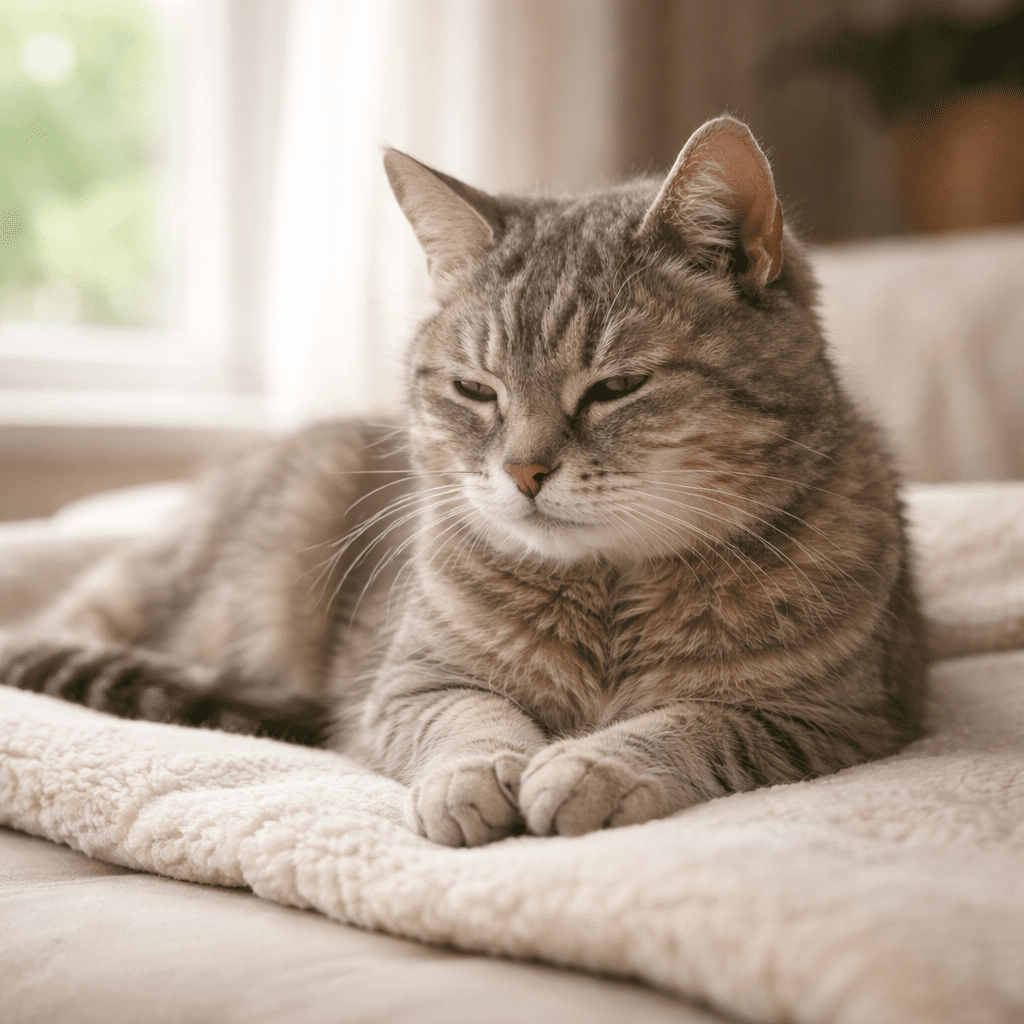
Protein: Still Essential, but Quality Matters More
Healthy senior cats still require high levels of animal protein to maintain muscle mass. What changes with age is digestibility.
- Seniors lose muscle more easily (age-related sarcopenia)
- Lower-quality protein accelerates muscle loss
- Highly digestible animal protein becomes critical
Reducing protein unnecessarily can worsen weakness and weight loss in older cats.
Hydration Becomes a Priority
As cats age:
- Thirst drive often decreases
- Kidney function becomes more fragile
- Chronic dehydration becomes more common
This is why many senior cats benefit from moist, homemade wet food rather than dry-only diets.
Because older cats often have a reduced thirst drive, learning how to keep senior cats hydrated through food and environmental changes can make a meaningful difference in long-term health.
Nutrient Absorption Declines
Senior cats absorb certain nutrients less efficiently, including:
- Taurine
- B vitamins
- Some minerals
This makes nutritionally complete diets non-negotiable for older cats.
Why Homemade Diets for Senior Cats Often Go Wrong
Well-intentioned homemade diets frequently fail for the same reasons:
Taurine Deficiency
Taurine is essential for heart, eye, and neurological health. It can be degraded by heat and grinding, and muscle meat alone does not guarantee adequate intake.
According to the Cornell University College of Veterinary Medicine, taurine deficiency in cats can lead to serious conditions, including heart disease and vision loss, making proper supplementation essential in homemade diets.
Calcium–Phosphorus Imbalance
Meat is naturally high in phosphorus and low in calcium. Over time, this imbalance can:
- Stress aging kidneys
- Weaken bones
- Accelerate health decline in senior cats
If your cat has early or diagnosed kidney disease, dietary phosphorus control becomes essential—our senior cat kidney disease diet guide explains what to adjust and when homemade food may or may not be appropriate.
Veterinary nutrition standards published by the Association of American Feed Control Officials (AAFCO) outline the essential nutrients cats require at every life stage, underscoring the importance of carefully balancing homemade diets.
Missing Micronutrients
Zinc, iodine, vitamin D, and vitamin E are commonly absent in DIY recipes.
These risks increase with age, which is why senior cats are especially vulnerable to unbalanced homemade food.
What “Vet-Approved” Homemade Food Really Means
A vet-approved (or vet-aligned) homemade diet meets all of a cat’s nutritional requirements, not just calorie needs.
This typically means one of the following:
- A recipe formulated or reviewed by a veterinarian
- A diet that uses a complete feline nutrition premix
- A custom recipe created by a veterinary nutritionist for a specific health condition
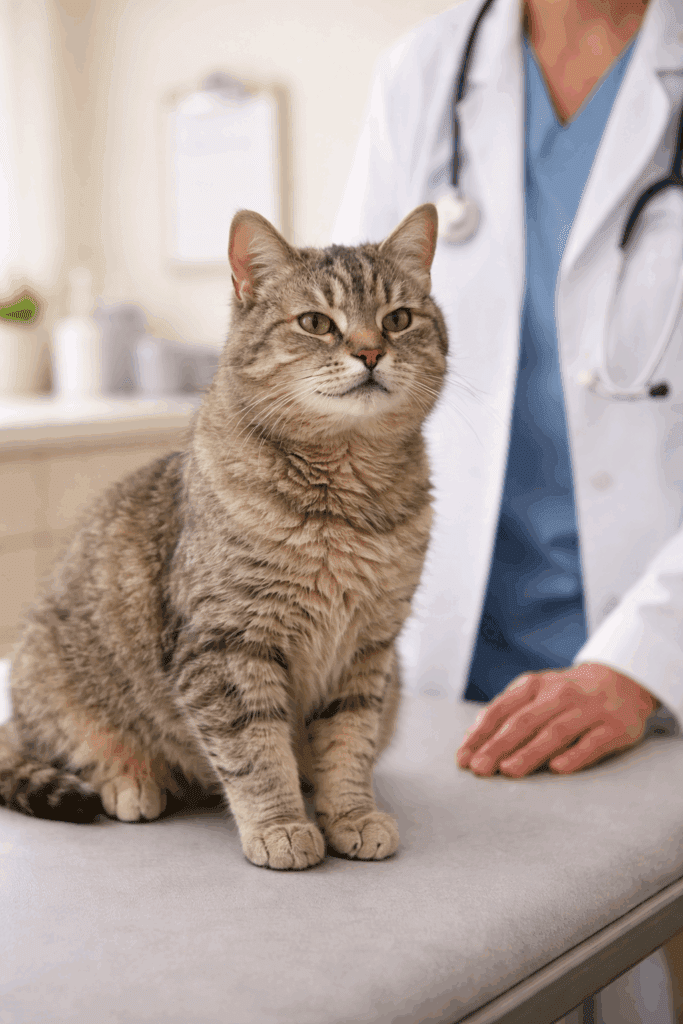
Homemade food without proper supplementation is not complete, no matter how fresh or wholesome the ingredients appear.
Vet-Approved Homemade Food for Senior Cats: Recipe Templates
The recipes below are written as templates because supplement requirements vary by brand and formulation. Always follow supplement or premix instructions exactly.
1. Senior Chicken & Pumpkin Pâté (Digestive Support)
Best for:
Picky eaters, mild constipation, and dental discomfort
Ingredients
- Cooked boneless chicken thigh
- Warm water or unsalted broth (no onion or garlic)
- Plain canned pumpkin (½–1 teaspoon per serving)
- Complete feline nutrition premix (per label instructions)
Preparation
- Cook chicken thoroughly and allow it to cool slightly.
- Blend chicken with warm liquid until smooth.
- Stir in the premix once the food has cooled to warm.
- Portion and refrigerate or freeze.
Why it works:
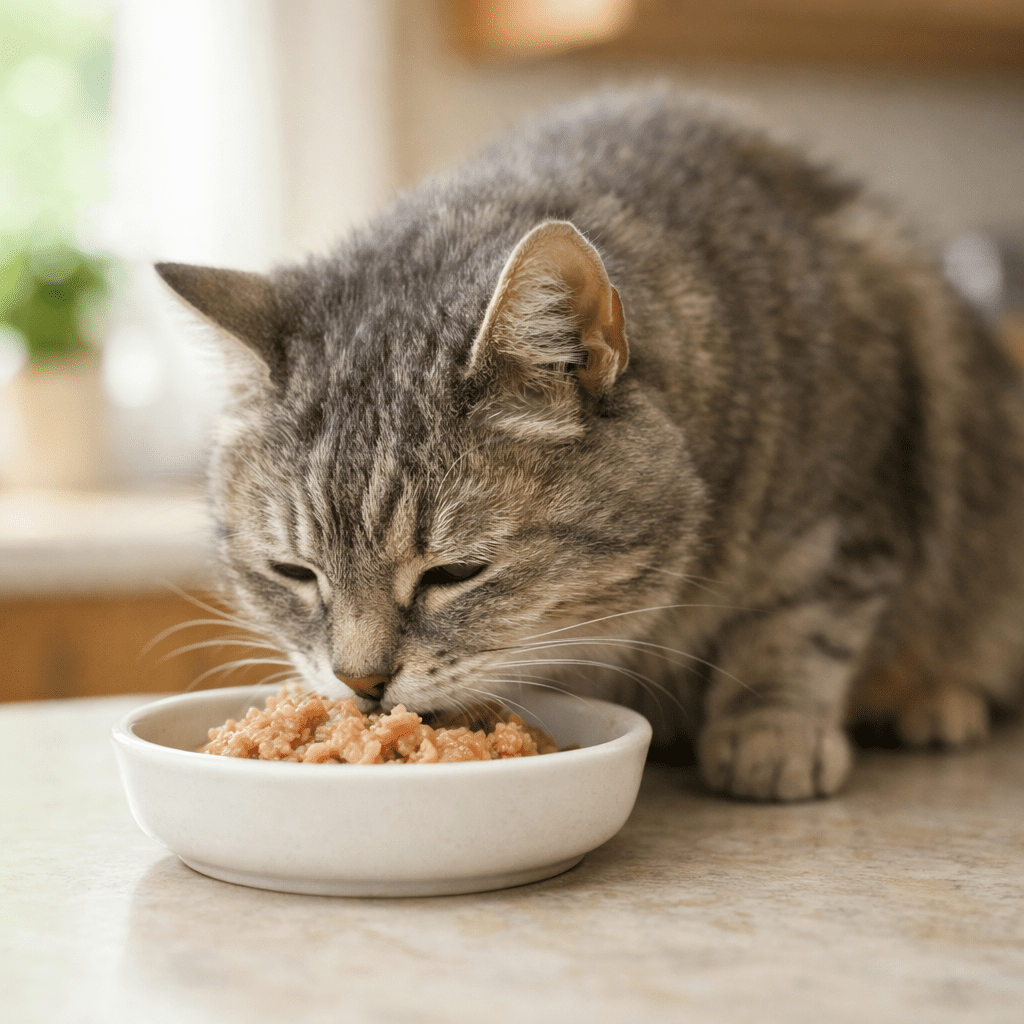
Chicken thigh is palatable and energy-dense, pumpkin supports stool quality in small amounts, and the pâté texture is easy for seniors to eat.
2. Turkey Hydration Stew for Senior Cats
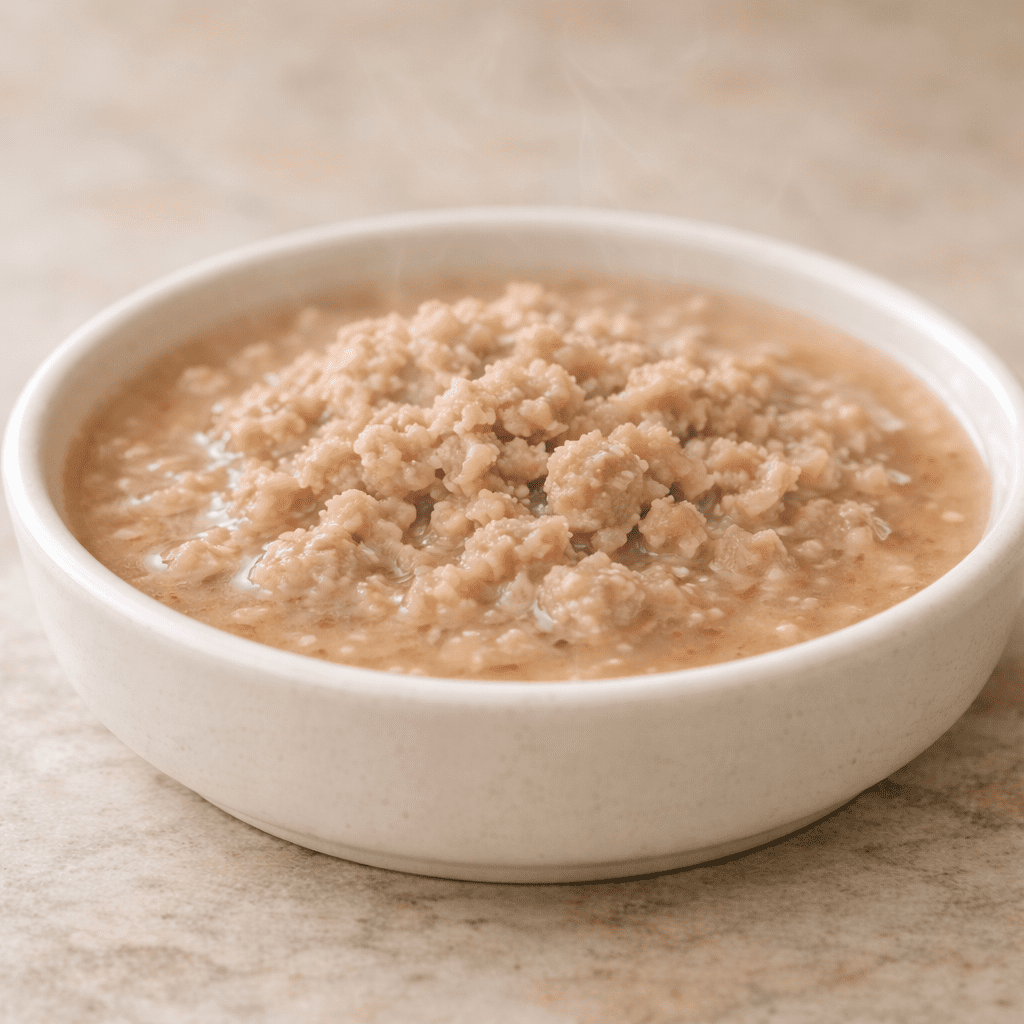
Best for:
Cats with low water intake or poor appetite
Ingredients
- Cooked ground turkey
- Warm water (enough to create a stew consistency)
- Complete feline nutrition premix
Preparation
- Cook turkey thoroughly and drain excess fat if needed.
- Add warm water to create a soupy texture.
- Mix in the premix after cooling.
Why it works:
High moisture supports kidney and urinary health while encouraging licking and intake.
3. Shredded Chicken for Senior Cats With Dental Issues
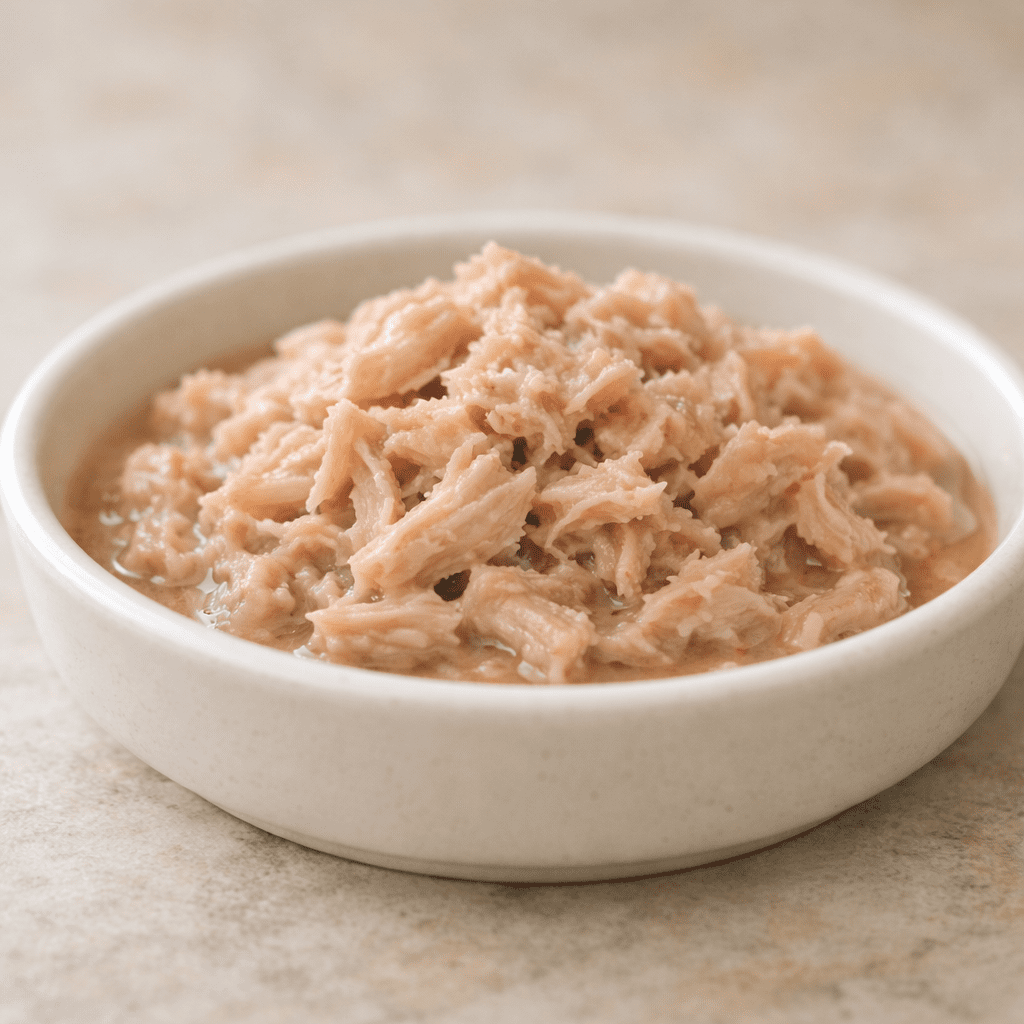
Best for:
Cats with missing teeth, gum disease, or pain while chewing
Ingredients
- Cooked chicken breast or thigh
- Warm water or unsalted broth
- Complete feline nutrition premix
Preparation
- Cook chicken until it shreds easily.
- Shred finely or pulse briefly in a food processor.
- Add liquid and mix in the premix once cooled.
Why it works:
Soft, shredded texture minimizes oral pain and encourages consistent eating.
4. Custom Homemade Diets for Senior Cats With Medical Conditions
If your senior cat has:
- Kidney disease
- Diabetes
- Inflammatory bowel disease
- Urinary tract issues
- Unexplained weight loss
A custom veterinary recipe is the safest option. These diets can control phosphorus, calories, protein digestibility, and texture based on your cat’s lab values and clinical needs.
Generic online recipes are not appropriate for medically complex senior cats. For some cats, a high-quality commercial option may be more appropriate than homemade—especially during illness—so reviewing the best wet food for senior cats can help you compare alternatives.
How Much Homemade Food Should a Senior Cat Eat?
There is no single correct portion size. Calorie needs depend on:
- Body weight and condition
- Activity level
- Health status
Best approach:
- Match your cat’s current daily calorie intake
- Transition gradually
- Monitor weight, appetite, stool quality, and energy weekly
Sudden changes often lead to food refusal or digestive upset, especially in seniors.
Transitioning a Senior Cat to Homemade Food
Senior cats need slow, predictable transitions.
Suggested transition schedule
- Days 1–4: 10% homemade, 90% current food
- Days 5–7: 25% homemade
- Increase gradually over 2–3 weeks
Pause or slow down if you notice diarrhea, vomiting, or appetite loss.
Food Safety and Storage Guidelines
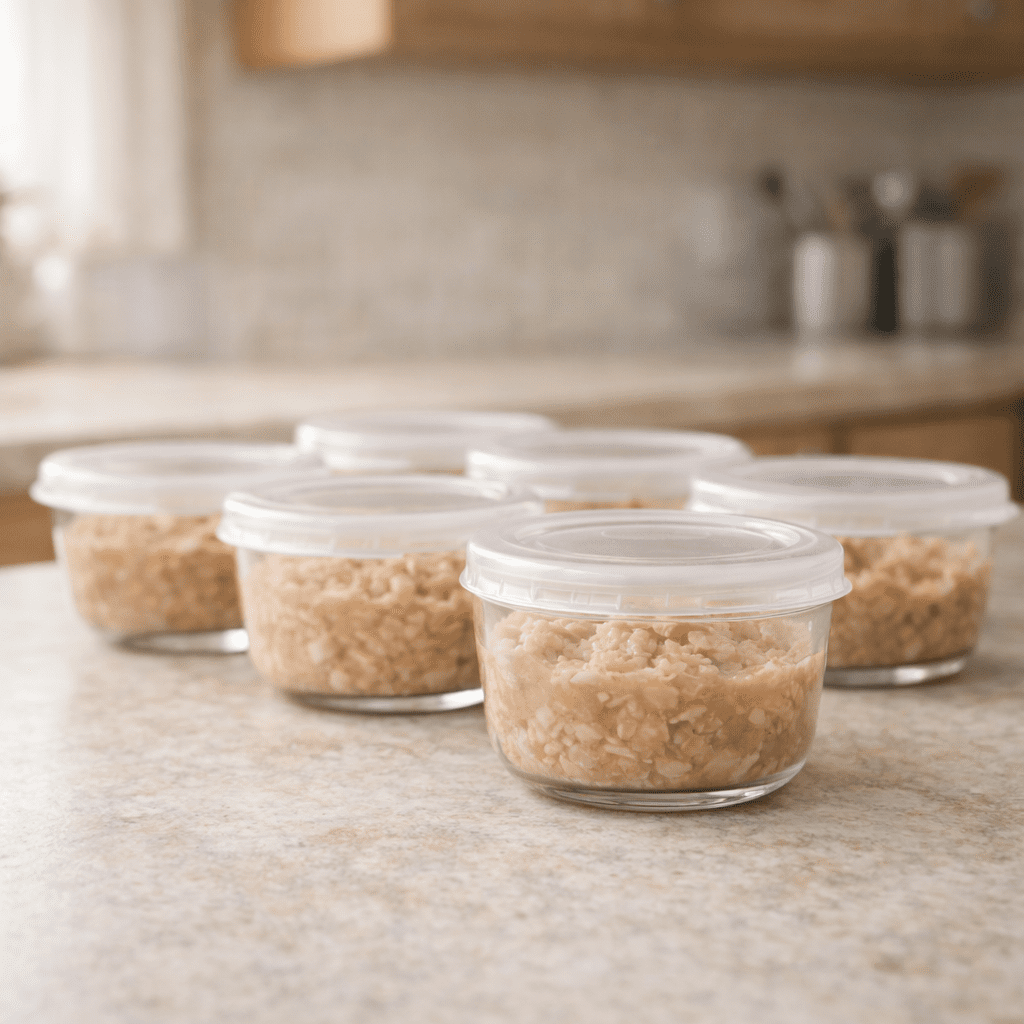
- Refrigerate prepared food within 2 hours
- Use refrigerated portions within 3–4 days
- Freeze individual servings for up to 1 month
- Reheat gently and stir well before serving
- Avoid serving food hot
Frequently Asked Questions
Is homemade food safe for senior cats?
Yes—when it is nutritionally complete, balanced, and approved by a veterinarian. Unbalanced homemade diets are especially risky for older cats.
Can senior cats eat homemade food long-term?
They can thrive on it long-term if the diet is complete and periodically reviewed with a veterinarian. Long-term success with homemade diets depends on consistency and formulation, which is why a balanced homemade cat food approach is essential for senior cats.
Should senior cats eat raw homemade food?
Cooked food is generally safer for senior cats due to age-related immune changes and foodborne illness risk.
Caring for Your Senior Cat’s Health
Homemade food for senior cats can improve hydration, comfort, and quality of life—but only when nutrition is done right. Senior cats cannot compensate for missing nutrients, and small deficiencies accumulate quickly with age.
Focus on:
- Complete and balanced nutrition
- High moisture and digestibility
- Gentle textures
- Veterinary guidance
When those foundations are in place, homemade food can be a valuable part of caring for your senior cat’s health and happiness.
Written by Gary Tindale
Gary Tindale is the founder and editor of SeniorCatsCare.com. He researches and writes evidence-based content focused on senior cat nutrition, health, and daily care, drawing on veterinary guidelines, academic resources, and trusted animal health organizations. His work emphasizes practical, safety-first guidance to help cat owners make informed decisions as their cats age.
Medical & Nutrition Disclaimer
This article is provided for educational purposes only and is not a substitute for professional veterinary advice. Homemade diets can carry nutritional risks, particularly for senior cats or cats with medical conditions such as kidney disease, diabetes, or digestive disorders.
Always consult your veterinarian or a board-certified veterinary nutritionist before changing your cat’s diet, supplements, or feeding routine. Individual nutritional needs vary, and improper formulation may lead to deficiencies or health complications.
SeniorCatsCare.com does not diagnose, treat, or provide medical advice for animals.
Editorial standards:
Content on SeniorCatsCare.com is developed using current veterinary nutrition standards and guidance from reputable veterinary and academic sources and is reviewed periodically to maintain accuracy.