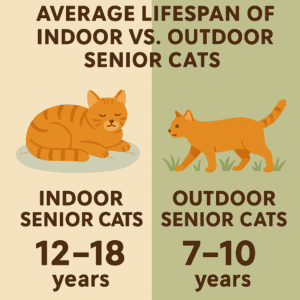

Spotting the signs of pain in senior cats isn’t always straightforward, but it’s one of the most important ways to protect their health and comfort.
Signs of Pain in Senior Cats (Signs & Tips for Caregivers)
As cats enter their golden years, they often become quieter, gentler companions—but they also become experts at hiding discomfort. Many loving cat parents assume their kitty is just “slowing down with age,” when in reality, they may be experiencing pain from arthritis, dental disease, or other age-related conditions. Spotting the signs of pain in senior cats isn’t always straightforward, but it’s one of the most important ways to protect their health and comfort.
In this guide, we’ll explore the subtle changes to look for, from mobility issues to shifts in behavior, so you can recognize when your older cat needs a little extra care—and when it may be time to call the vet.
Why Cats Hide Pain

Cats evolved as both predators and prey in the wild. Showing weakness could make them vulnerable, so even domesticated cats often mask pain. For senior cats, this instinct means that what looks like “slowing down with age” may actually be discomfort.
👉 For a quick reference, see our free Common Senior Cat Health Problems to help track daily health changes.
Common Signs of Pain in Senior Cats
1. Changes in Mobility
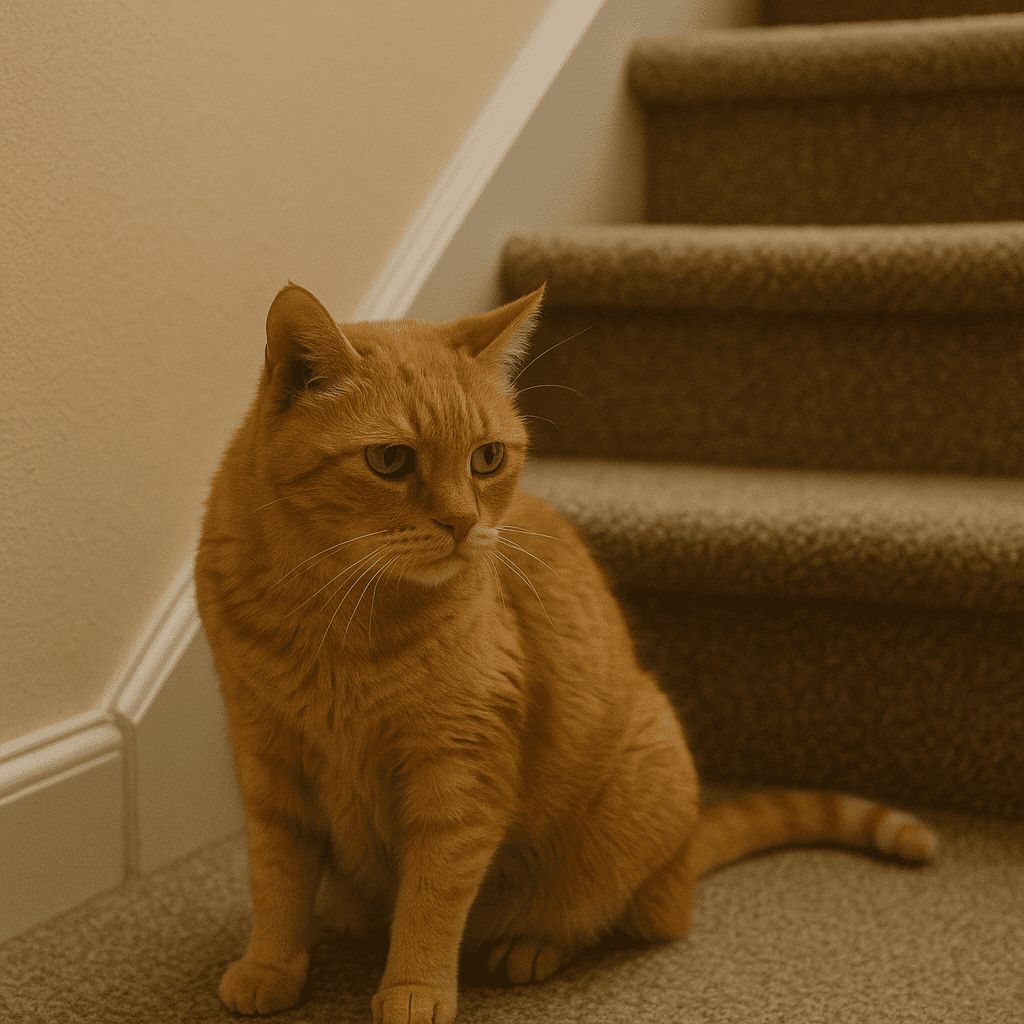
- Hesitating before jumping onto beds or couches
- Avoiding stairs or climbing less often
- Stiff walking, limping, or slower movements
Learn more in our guide on Arthritis and Mobility Issues in Senior Cats.
2. Altered Grooming Habits

- Over-grooming one spot (often due to arthritis pain)
- Messy or greasy coat from lack of grooming
- Dandruff or mats, especially on the lower back
3. Changes in Appetite and Drinking
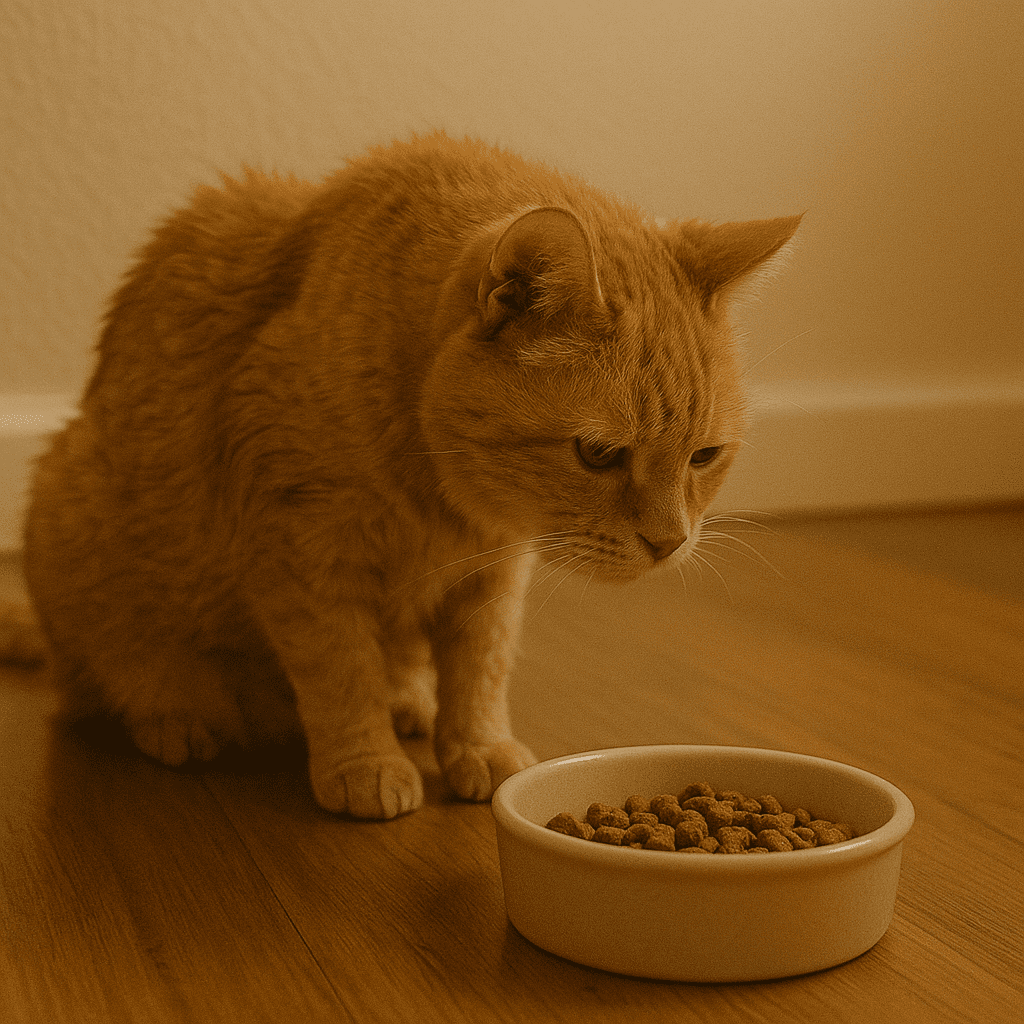
- Eating less due to dental pain or nausea
- Dropping food or chewing on one side of the mouth
- Increased drinking, which may signal underlying health issues
Tip: If you suspect dental disease, see Cornell Feline Health Center’s guide on dental care for more detailed information.
4. Shifts in Behavior
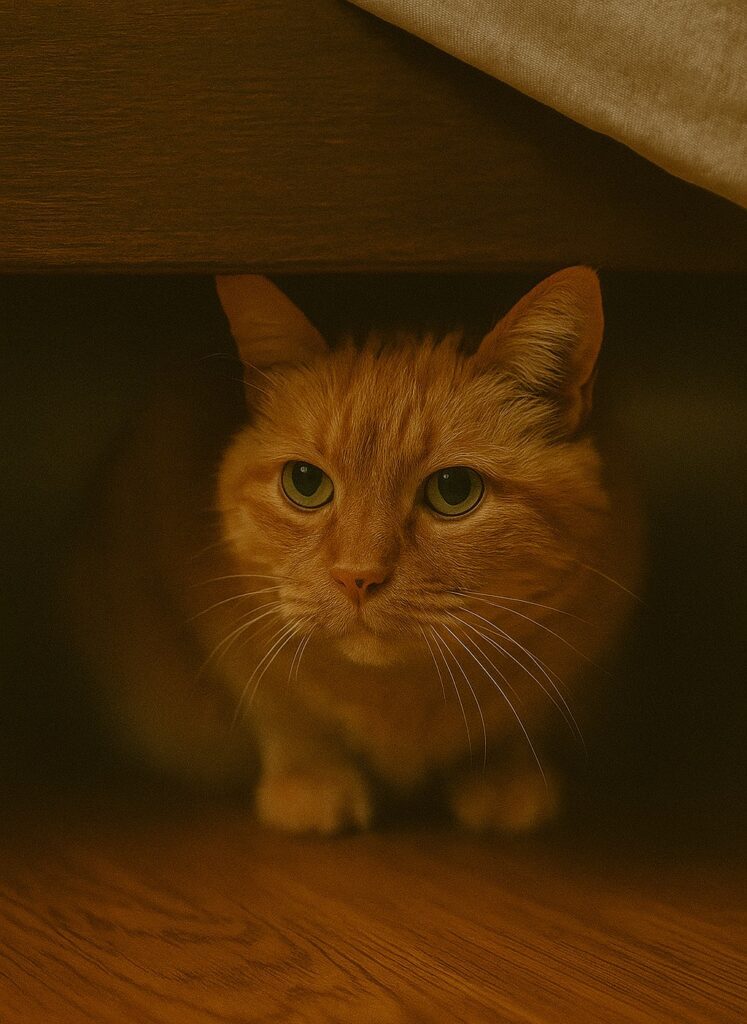
- Increased hiding or withdrawal
- Irritability or growling when touched
- Reduced interest in play or interaction
5. Vocalization and Sleep Changes

- More frequent meowing, yowling, or crying (especially at night)
- Restless sleep or difficulty settling
- Sleeping in unusual places (hard floors vs. soft beds)
Read our Cat Beds for Senior Cats for more detailed guidance.
How to Comfort a Senior Cat in Pain
- Provide soft, supportive bedding (orthopedic cat beds are great for arthritis).
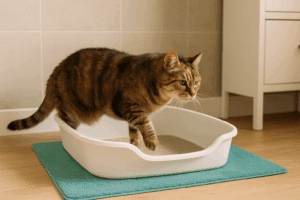
- Keep essentials within easy reach—food, water, and litter box on the same floor.
- Add ramps or steps to help them access favorite spots.
- Maintain warmth—senior cats often love heated pads or cozy blankets.
- Offer gentle grooming help with soft brushes.

👉 Explore our full guide: Senior Cat Care Guide
When to Call the Vet
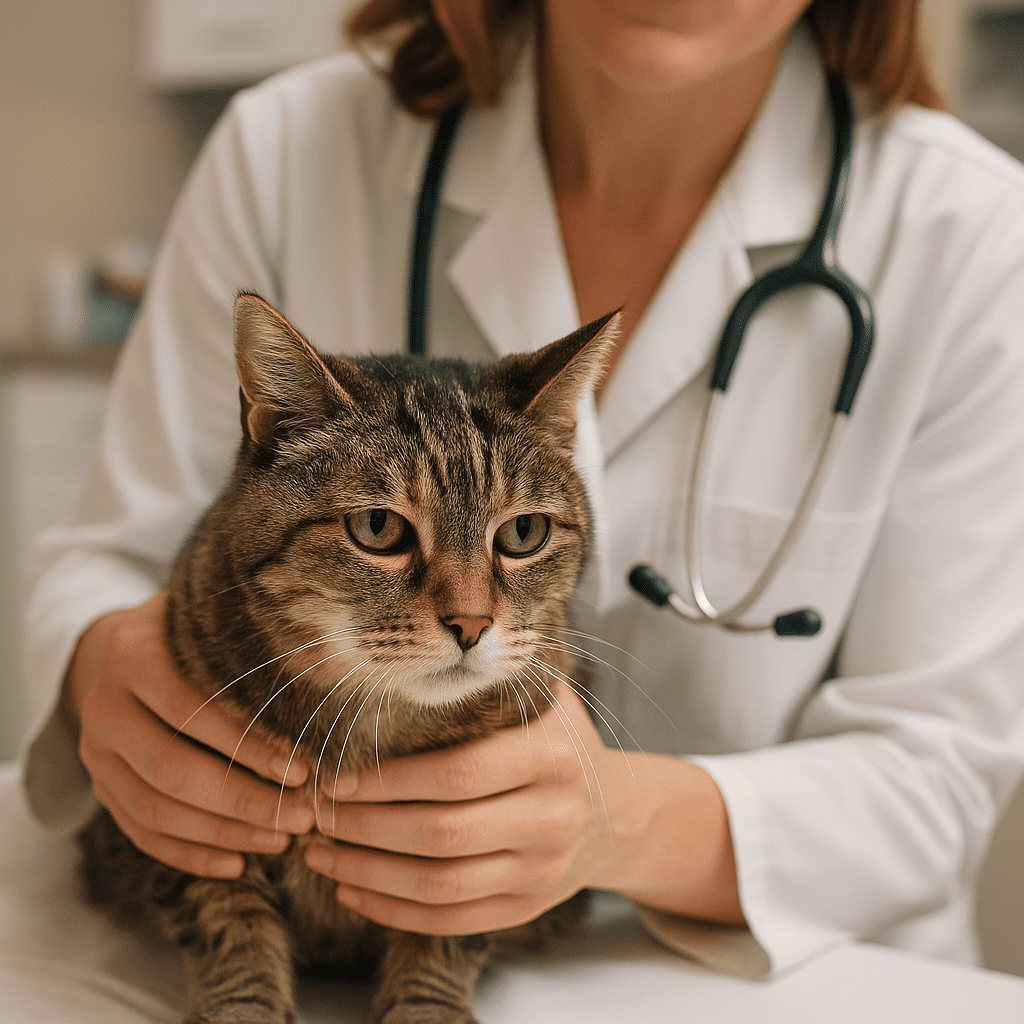
Even subtle changes can be a red flag. Contact your vet if you notice:
- Sudden refusal to eat or drink
- Difficulty breathing
- Persistent vomiting or diarrhea
- Signs of severe dental pain (drooling, pawing at mouth)
- Extreme withdrawal or aggression
For more info, see the American Association of Feline Practitioners’ senior cat care resources.
FAQs About Pain in Senior Cats
What is the most common cause of pain in senior cats?
Arthritis is one of the leading causes, but dental disease and kidney issues are also common sources of discomfort.
Can pain shorten my cat’s lifespan?
Pain itself may not shorten life, but untreated conditions can lower quality of life and lead to complications.
Should I give my cat human pain medicine?
Never. Many human medications (like ibuprofen or Tylenol) are toxic to cats. Always consult your vet.
How can I tell if it’s aging or pain?
“Slowing down” is not always normal aging. If mobility, appetite, or grooming habits change, pain could be the cause.
Are there natural remedies for cat pain?
Some supplements, like omega-3 fatty acids or glucosamine, may help with joint support. Always confirm with your vet before starting anything new.
Pay Attention to Subtle Changes
Recognizing the signs of pain in senior cats is an act of love and compassion. By paying attention to subtle changes—mobility, grooming, appetite, and behavior—you can catch discomfort early and give your cat the best possible care in their senior years.
Your cat may not say the words, but they’ll thank you with more purrs, head-butts, and quiet companionship. 🐾