As cats age, their health needs change in ways that aren’t always obvious. Many serious conditions in senior cats develop gradually, with subtle signs that are easy to dismiss as “just getting older.”
This guide explains the most common health problems in senior cats, how they typically present at home, and—most importantly—when changes are normal aging versus signs of disease that need veterinary attention.
This article is intended to help cat owners recognize patterns and risks—not to diagnose or replace professional veterinary care.
When Is a Cat Considered a Senior?
Most veterinarians consider cats senior between ages 10–12, with “geriatric” cats typically over 15. However, health changes can begin earlier, especially in cats with chronic conditions or a history of obesity, dental disease, or kidney issues.
According to veterinary guidance on senior cat health conditions, aging cats are more prone to chronic disease even when outward symptoms seem mild.
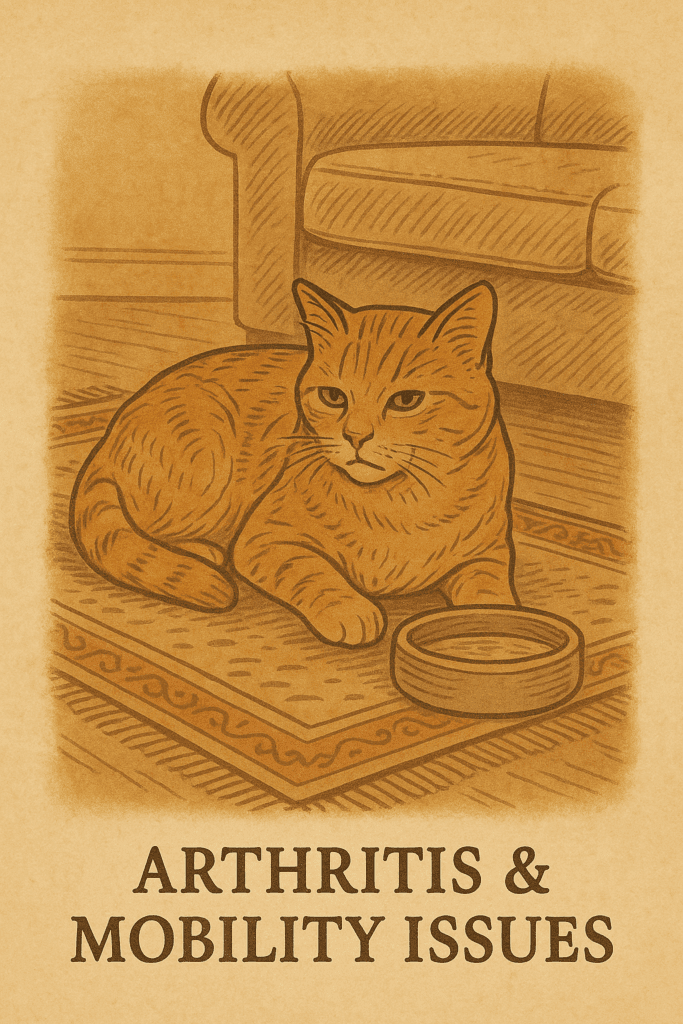
Arthritis and Joint Degeneration in Senior Cats
Why it’s commonly missed
Cats instinctively hide pain. Arthritis often shows up as behavior changes, not limping.
Common signs owners notice
- Hesitation or refusal to jump onto furniture
- Stiffness after resting
- Decreased grooming, especially of the lower back
- Irritability when handled
- Accidents outside the litter box due to difficulty stepping in
When this is not “normal aging”
Reduced mobility that worsens over months or sudden changes after a fall—should be evaluated. Pain-related behavior changes are treatable, and ignoring them often leads to rapid quality-of-life decline.
Mobility changes are frequently mistaken for aging, but they are often signs of discomfort — see our guide on signs of pain in senior cats for related behaviors.
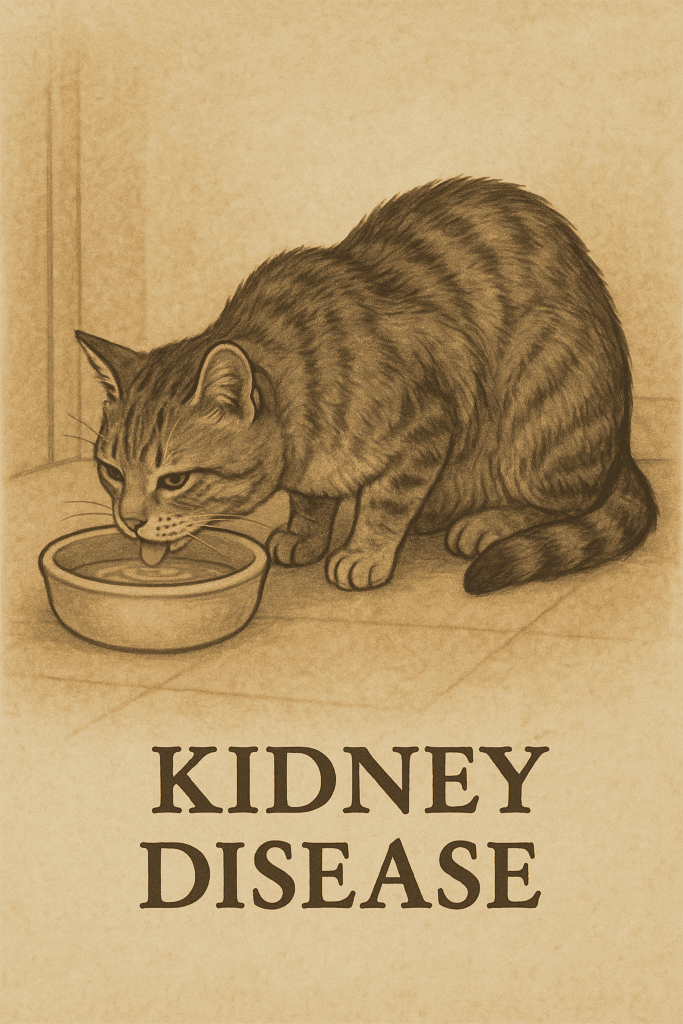
Chronic Kidney Disease (CKD)
Why it’s so common
Kidney function naturally declines with age, but CKD affects a large percentage of cats over 12.
Early warning signs
- Increased thirst and urination
- Gradual weight loss despite eating
- Dehydration
- Dull or unkempt coat
When CKD becomes urgent
- Vomiting
- Loss of appetite
- Mouth ulcers
- Extreme lethargy
Early detection matters. Cats diagnosed in earlier stages often maintain a good quality of life for years with proper management.
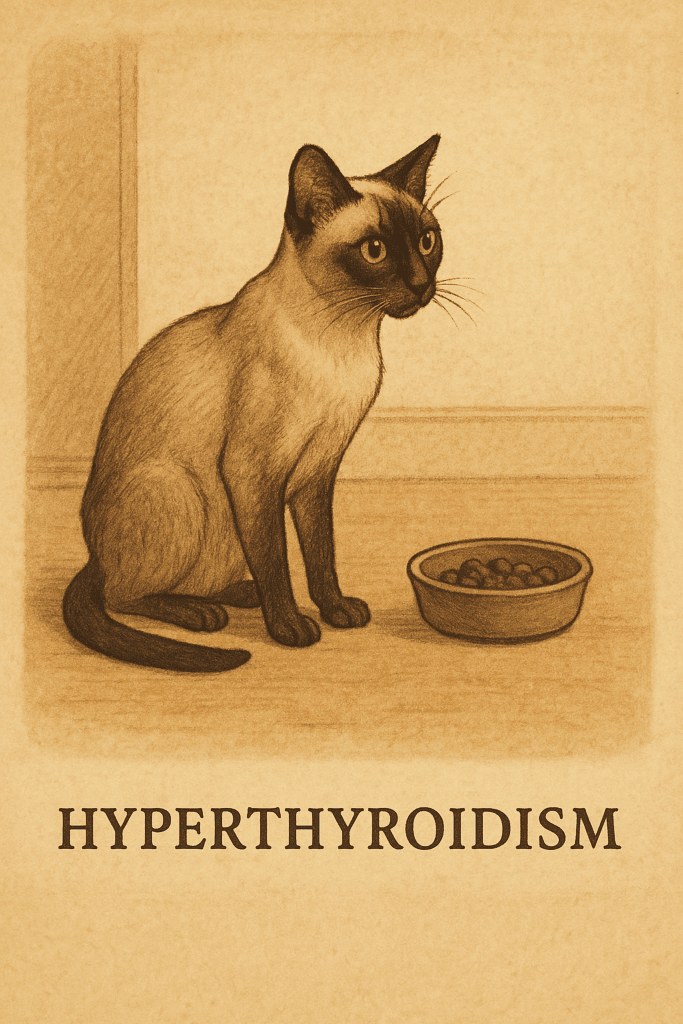
Hyperthyroidism
What makes it dangerous
Hyperthyroidism speeds up the body’s metabolism, placing stress on the heart, kidneys, and blood pressure.
Signs owners often misinterpret as “healthy”
- Weight loss with increased appetite
- Hyperactivity or restlessness
- Vocalization, especially at night
Signs that require prompt evaluation
- Vomiting or diarrhea
- Rapid heart rate
- Weakness or collapse
- Sudden behavior changes
Because hyperthyroidism can mask kidney disease, proper testing and monitoring are essential.
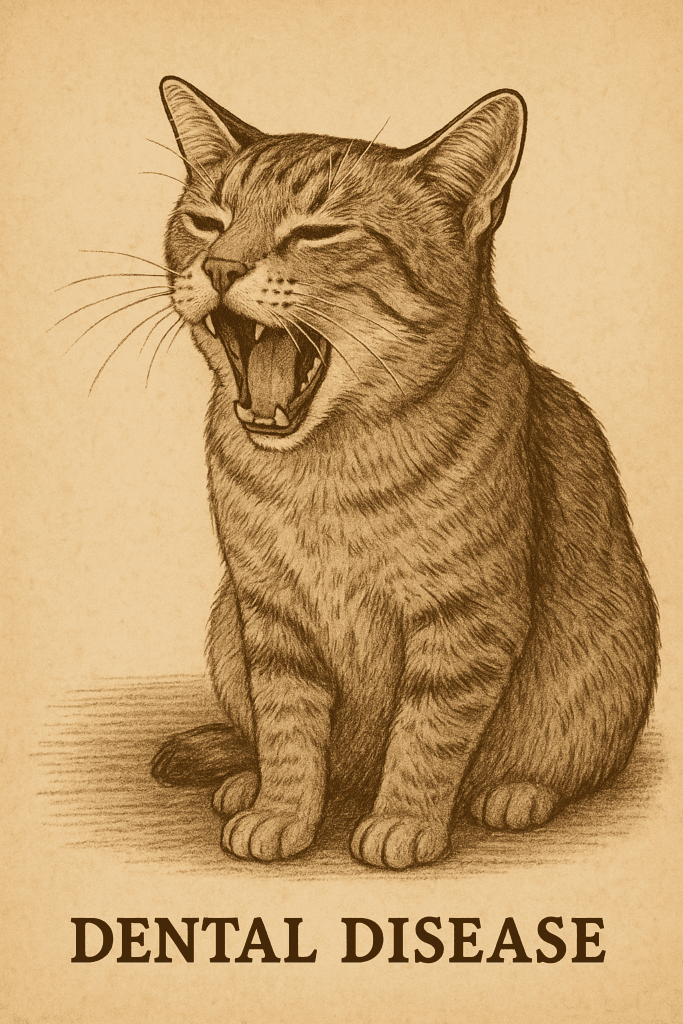
Dental Disease and Oral Pain
Why dental problems affect the whole body
Untreated dental disease causes chronic inflammation, pain, and can contribute to kidney and heart issues.
Common signs at home
- Dropping food while eating
- Bad breath
- Pawing at the mouth
- Preference for soft food
- Reduced grooming
When dental disease becomes serious
Cats that stop eating, show facial swelling, or hide frequently may be experiencing significant pain. Dental pain is one of the most under-treated issues in senior cats.
Dental pain often affects eating and behavior, and long-term oral inflammation can impact overall health — learn more in our senior cat dental care guide.
Diabetes Mellitus
Risk factors
- Obesity
- Sedentary lifestyle
- Steroid use
- Other endocrine disorders
Signs owners notice
- Increased thirst and urination
- Weight loss
- Weakness in the hind legs
- Poor coat quality
Why early care matters
Untreated diabetes can progress to severe complications, including diabetic neuropathy and life-threatening metabolic emergencies.
Because appetite changes can have many causes, feeding adjustments should be made carefully — see feeding senior cats safely for practical guidance.
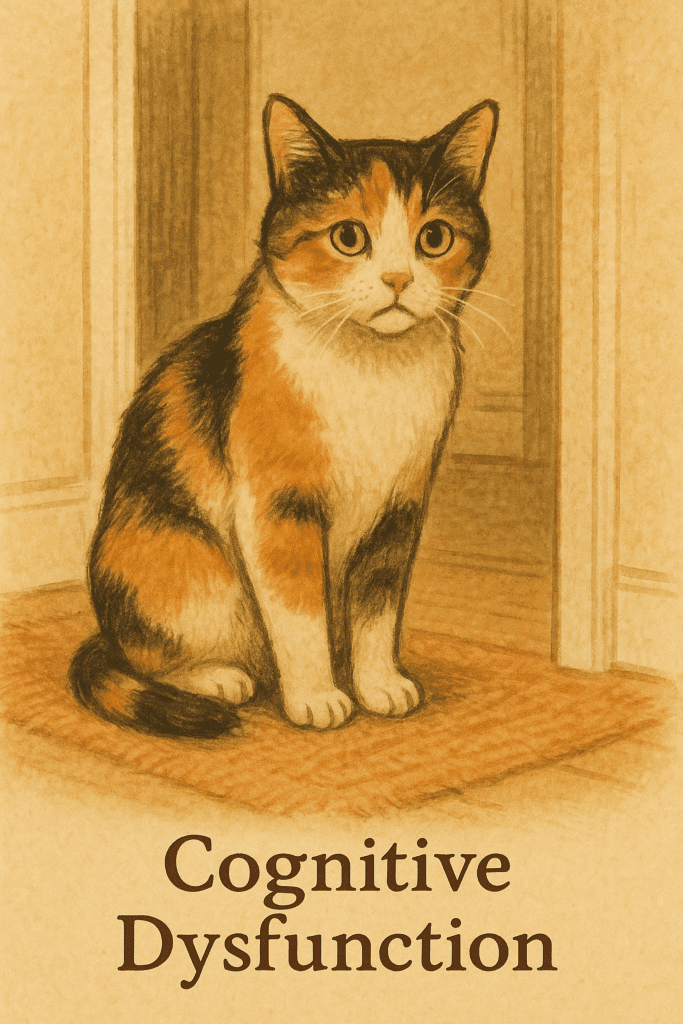
Cognitive Dysfunction (Feline Dementia)
How it typically presents
- Disorientation or staring into space
- Nighttime vocalization
- Altered sleep patterns
- Reduced interaction
- Litter box confusion
Important distinction
Not all behavior changes are cognitive decline. Pain, vision loss, hearing loss, and medical illness must be ruled out first.
Heart Disease in Senior Cats
Why it’s hard to detect
Cats often show few outward symptoms until disease is advanced.
Possible signs
- Reduced activity
- Labored breathing
- Open-mouth breathing (emergency)
- Collapse or sudden weakness
Any breathing difficulty or collapse requires immediate veterinary care.
Cancer in Older Cats
Common warning signs
- Unexplained weight loss
- Lumps or swellings
- Persistent vomiting or diarrhea
- Non-healing wounds
- Appetite changes
Not all tumors are aggressive, but early evaluation dramatically improves options.
When to Contact a Veterinarian Immediately
Seek veterinary care promptly if your senior cat shows:
- Sudden refusal to eat
- Difficulty breathing
- Collapse or extreme weakness
- Painful vocalization
- Rapid behavior or personality changes
- Persistent vomiting or diarrhea
Supporting a Senior Cat’s Health at Home
While medical care is essential, owners can support aging cats by:
- Scheduling regular senior wellness exams
- Monitoring weight, appetite, and water intake
- Making the home more accessible (low-entry litter boxes, ramps)
- Managing dental care proactively
- Reducing stress and maintaining routine
Going Forward
Aging alone does not cause suffering—but untreated disease does. Many senior cat health problems are manageable when identified early, allowing cats to remain comfortable, active, and engaged well into old age.
If something feels “off,” trust your instincts. Subtle changes are often the first and most important clues.