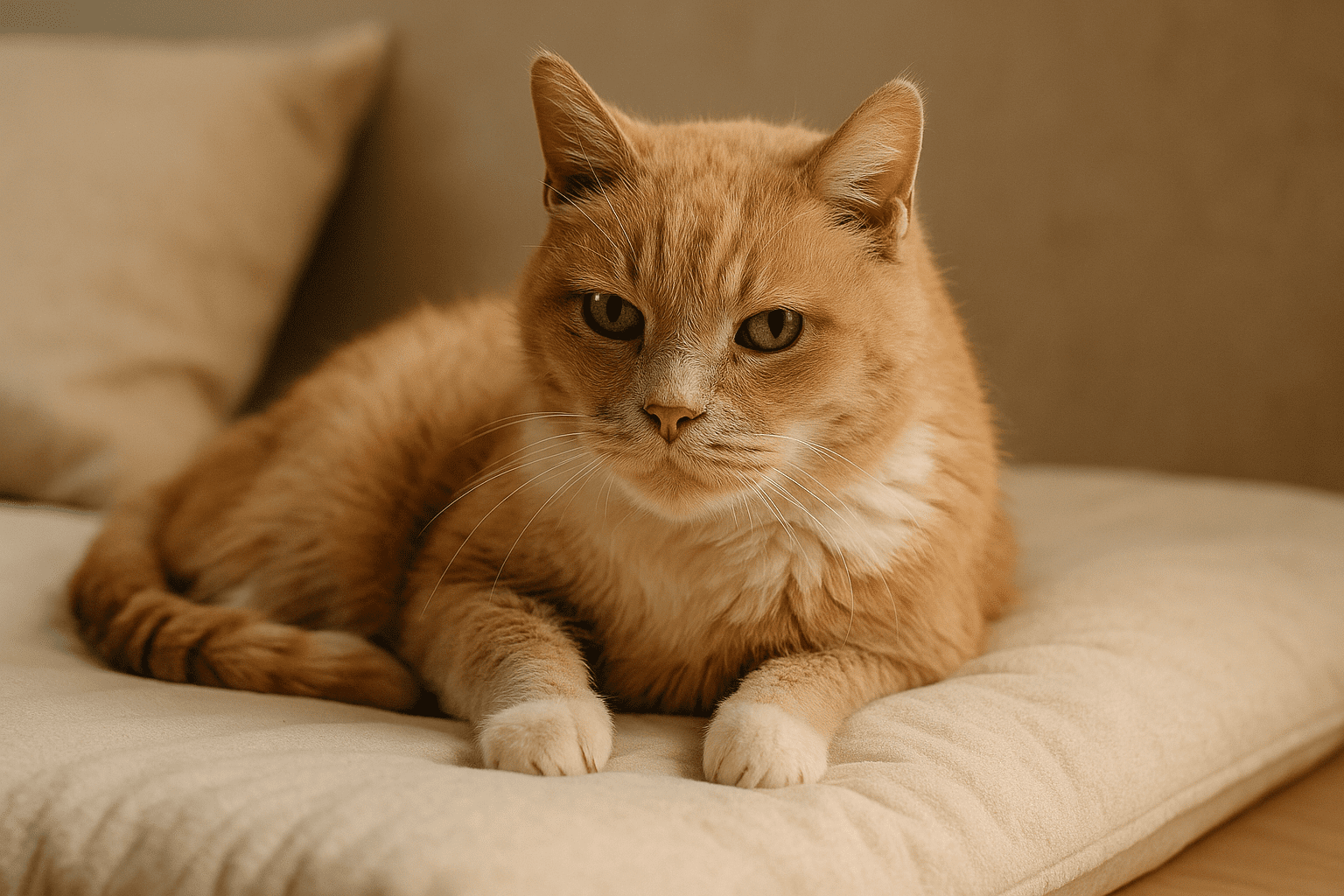
Why Senior Cat Care Matters
Caring for a senior cat is one of the most rewarding stages of cat ownership. If your cat has been with you through years of life changes, you already know how deep the bond can grow. But as cats age, their needs evolve — and what worked for them as a playful two-year-old doesn’t always suit them at twelve or fifteen.
In the United States, it’s estimated that over 40% of household cats are classified as seniors, meaning they’re at least 10 years old. Thanks to better nutrition, regular veterinary care, and safer indoor environments, many cats now live 15–20 years or longer. Some even reach their twenties. With this gift of longevity comes responsibility: owners must adjust care to ensure their cat’s golden years are comfortable, healthy, and filled with love.
Senior cat care involves a holistic approach: nutrition, dental health, regular vet checkups, mobility support, mental stimulation, and emotional bonding. This guide covers all of these areas in depth, offering practical steps and expert-backed insights so you can give your older cat the best possible quality of life.
🐱 When Is a Cat Considered Senior?
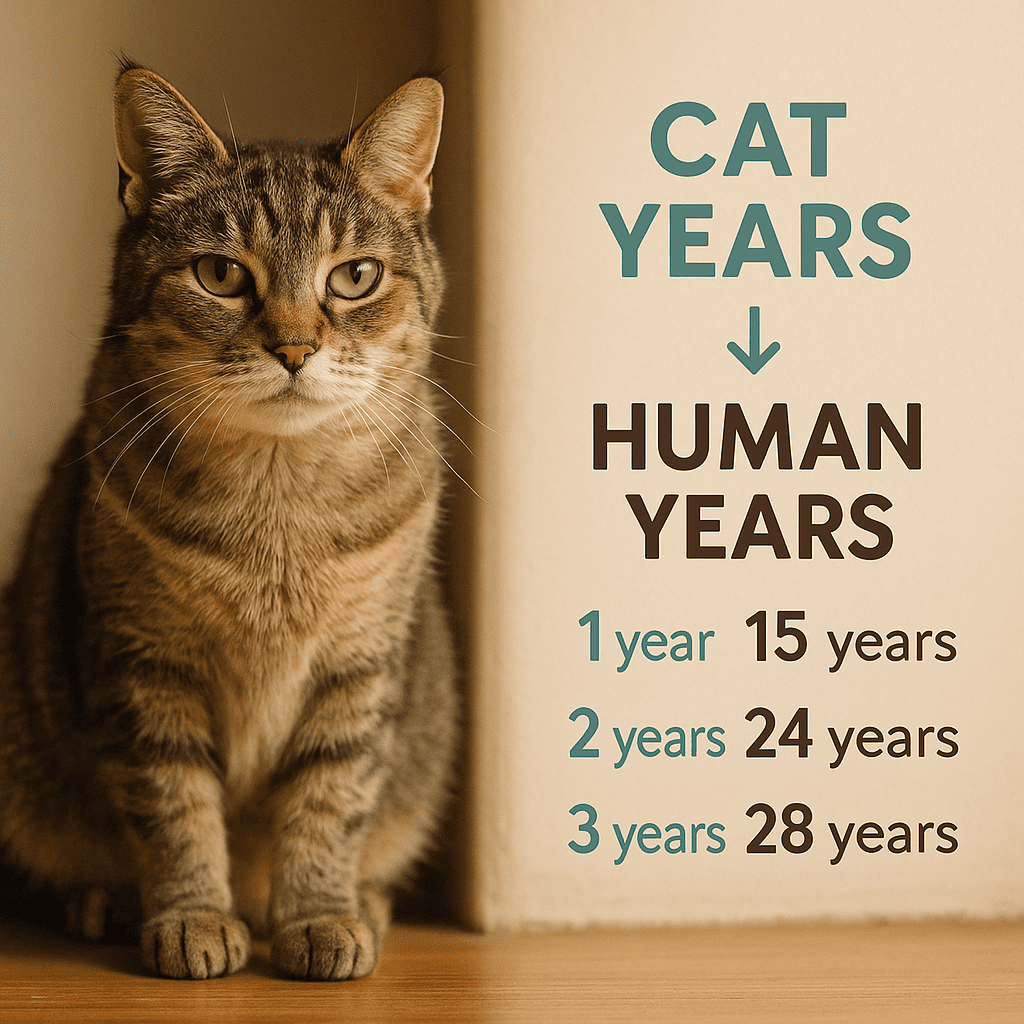
Cats age differently than humans, but veterinarians generally use life stages to guide care recommendations. Most cats are considered seniors around 11 years old, according to the American Association of Feline Practitioners, though breed and lifestyle can make this vary.
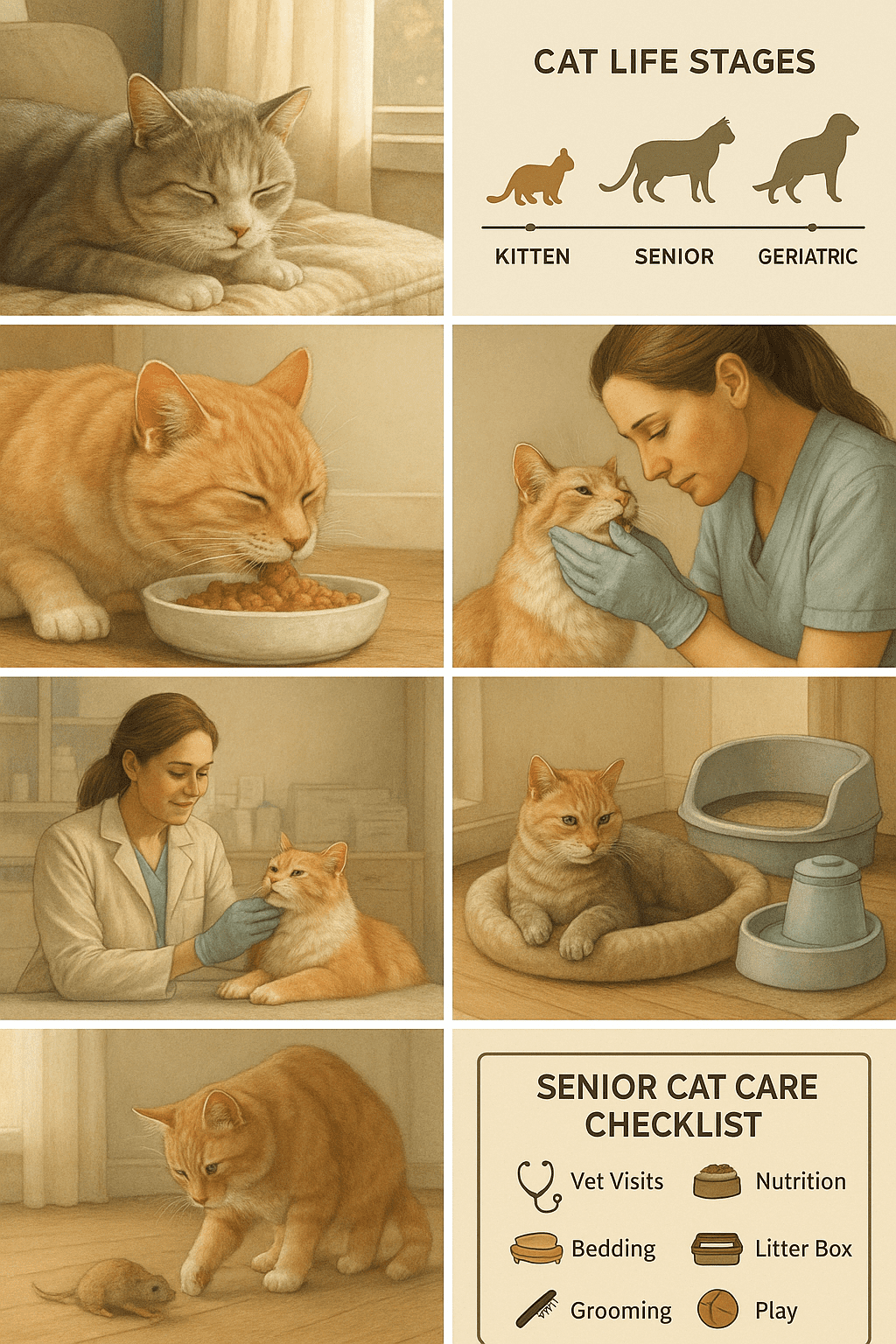
Cat Life Stages
- Kitten (0–6 months): Rapid growth, learning, and play.
- Junior (7 months–2 years): High energy, developing habits.
- Prime Adult (3–6 years): Stable health, mature size.
- Mature Adult (7–10 years): Subtle signs of aging may begin.
- Senior (11–14 years): Noticeable changes in health and activity.
- Geriatric (15+ years): Advanced aging, more health management required.
Lifespan by Lifestyle & Breed
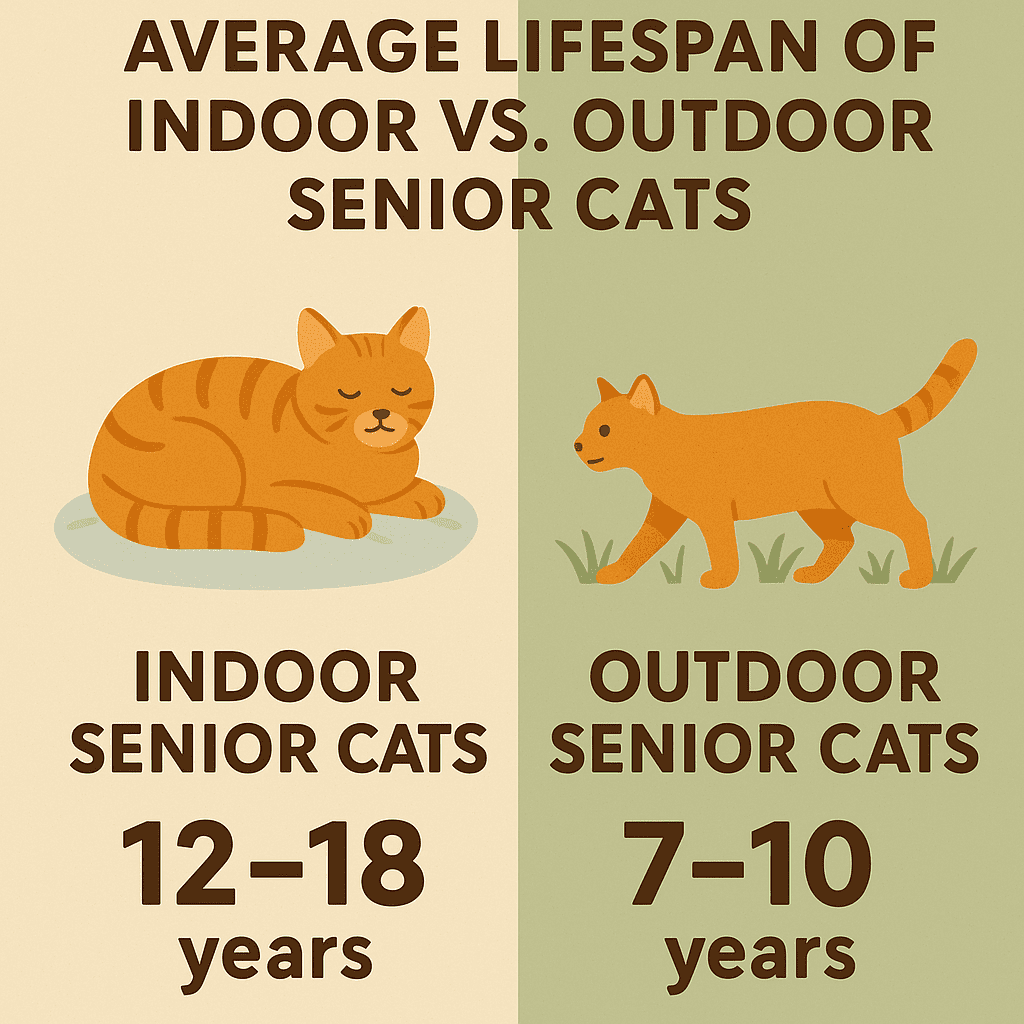
- Indoor cats live significantly longer, often 15–20 years, with some surpassing 22.
- Outdoor cats face risks like traffic, predators, and infections, often living only 7–10 years.
- Breed differences also play a role. Siamese and Burmese cats are known for longevity, while larger breeds like Maine Coons may age more quickly.
Signs Your Cat Is Entering Seniorhood
- Mobility: Struggling to jump or climb.
- Appearance: Greying around the muzzle, thinner coat, brittle nails.
- Behavior: Sleeping more, increased vocalization, confusion.
- Health: Noticeable weight changes, thirst, or dental problems.
👉 For a deeper dive, see our post: When Is a Cat Considered a Senior?
🥩 Senior Cat Nutrition: Feeding for Health
Nutrition is the cornerstone of senior cat care. A balanced diet not only helps prevent disease but can also manage existing conditions and improve day-to-day comfort.
Key Nutritional Needs for Senior Cats
- High-Quality Protein
Muscle mass naturally declines with age. Senior cats need high-protein diets to preserve muscle and maintain strength. Look for foods with real meat (chicken, turkey, salmon) listed as the first ingredient. - Moisture Content
Senior cats are prone to dehydration, especially if they develop kidney issues. Wet food provides hydration and is easier to chew for cats with dental issues. The team at International Cat Care recommends moisture-rich diets for older cats, especially those prone to kidney disease. - Balanced Minerals
- Low phosphorus & sodium are crucial for cats with kidney disease.
- Calcium and vitamin D help maintain bone strength.
- Healthy Fats & Omega-3s
Fats provide energy and support brain health. Omega-3 fatty acids (from fish oil) reduce inflammation and ease arthritis symptoms. - Digestibility
Senior cats often develop sensitive stomachs. Limited-ingredient or highly digestible diets can reduce vomiting and diarrhea.
Wet vs Dry Food for Senior Cats
- Wet Food Advantages: Higher moisture, easier to chew, tastier for picky eaters.
- Dry Food Advantages: Convenient, may help with tartar, can be left out longer.
- Best Approach: A combination often works best — wet food as the primary diet, with some dry food for variety.
Specialized Senior Diets
- Kidney Diets: Low phosphorus, moderate protein, high moisture.
- Thyroid Diets: Iodine-controlled formulas.
- Weight Control: For overweight seniors, calorie-restricted diets prevent diabetes and arthritis.
Supplements for Senior Cats
- Glucosamine & Chondroitin: Support joints and mobility.
- Omega-3s: Reduce inflammation.
- Probiotics: Improve digestion.
- Taurine: Essential for heart and eye health.
Feeding Tips
- Provide multiple small meals daily.
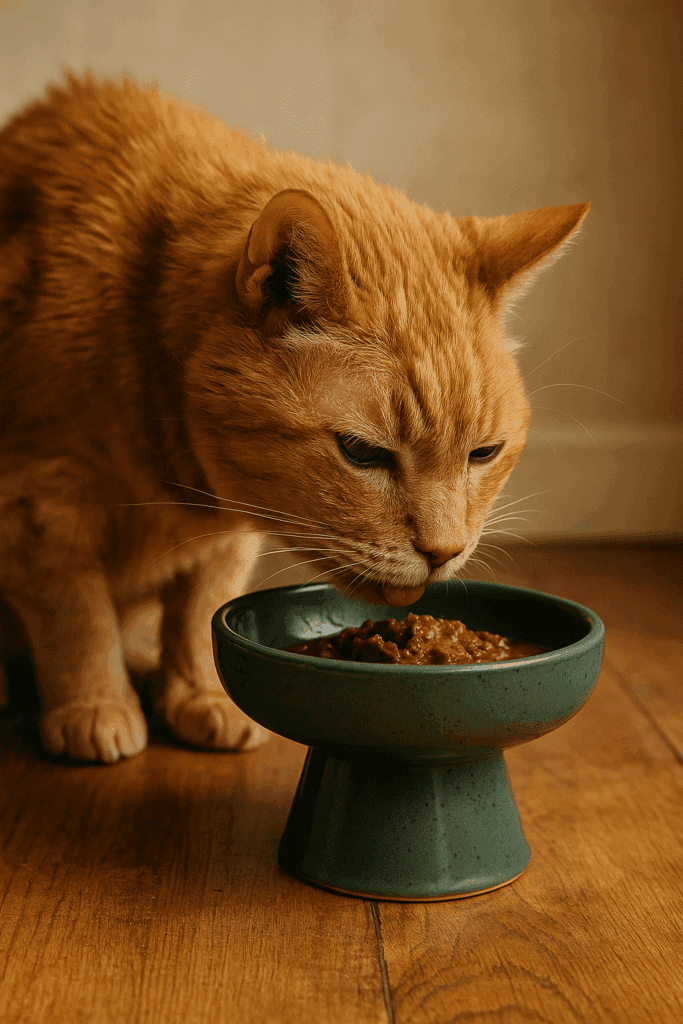
- Use raised bowls to reduce neck and joint strain.
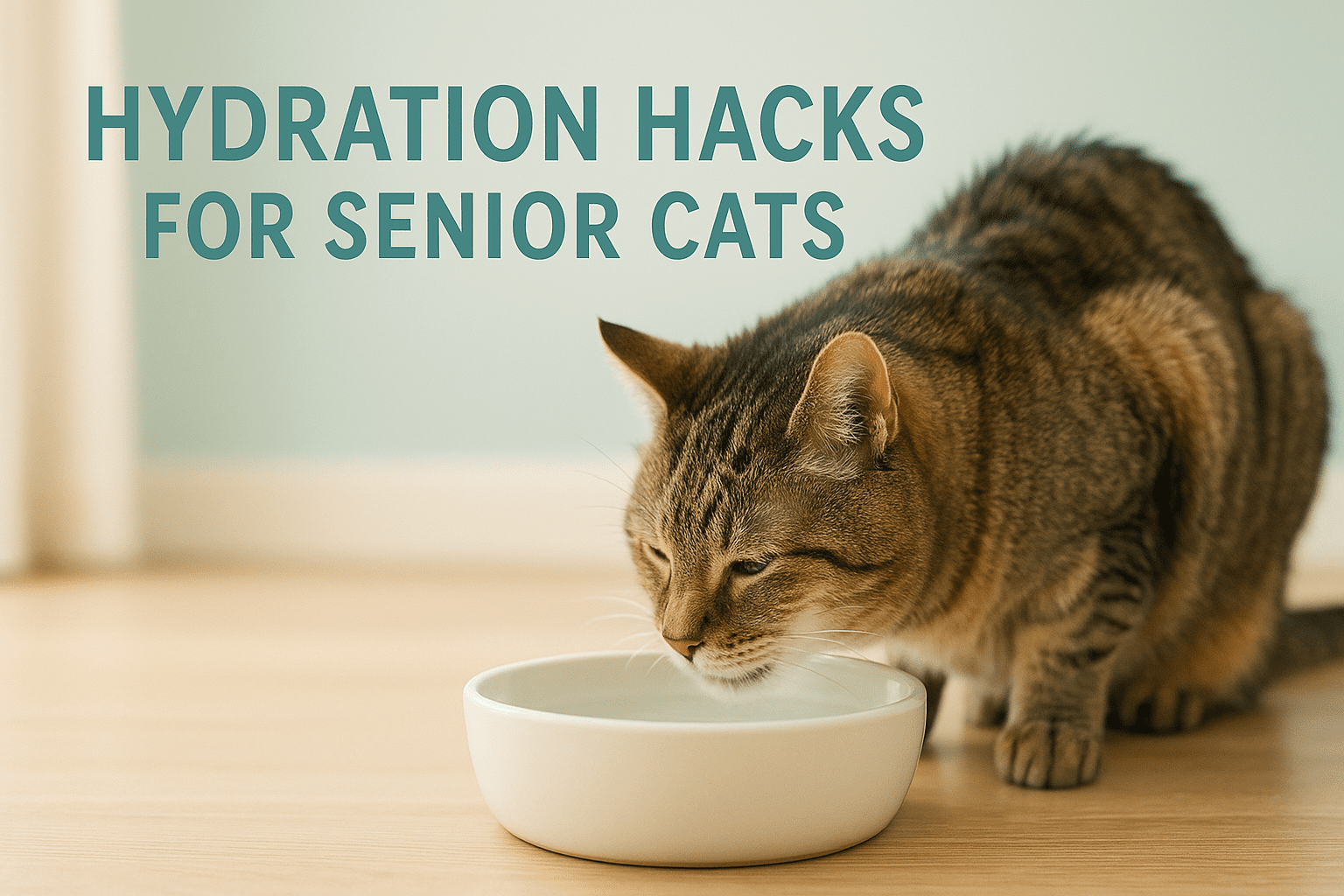
- Place water fountains around the house to encourage hydration.
👉 Further Reading:
- Best Food for Senior Cats With Kidney Disease
- Wet vs Dry Food for Senior Cats
- Best Cat Treats for Older Cats With Sensitive Stomachs
- Supplements for Senior Cats
See our Senior Cat Nutrition Guide for more senior cat nutritional tips.
🦷 Dental Care for Senior Cats
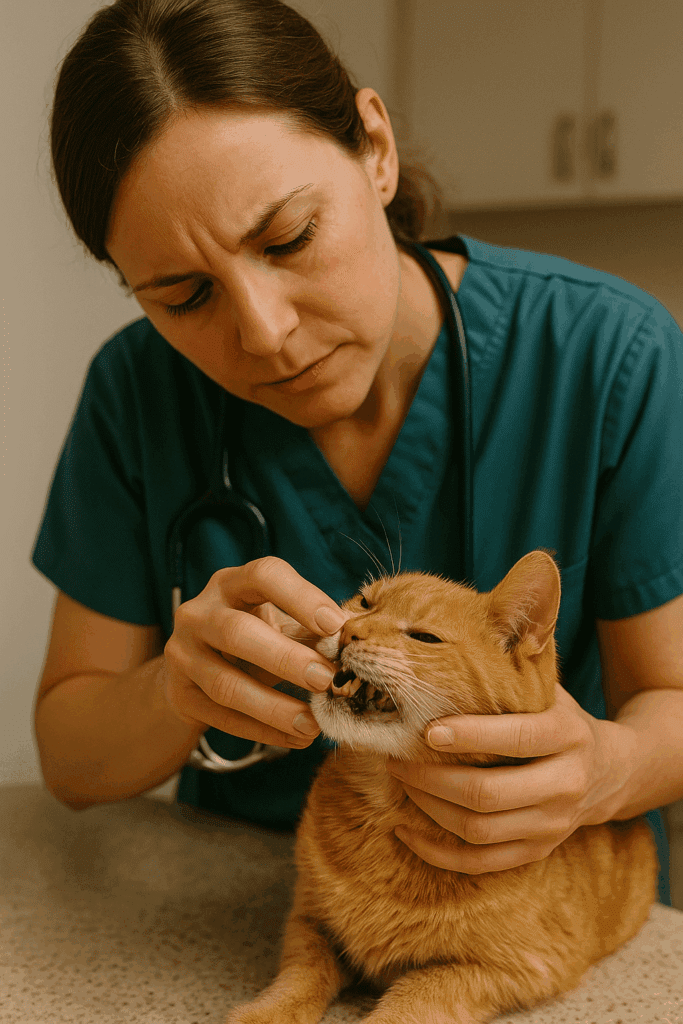
Dental problems are extremely common in senior cats, yet they often go unnoticed until advanced. By age 10, most cats have some degree of dental disease.
Why Dental Care Is Critical
Untreated dental disease doesn’t just cause mouth pain — bacteria can spread into the bloodstream, impacting the kidneys, liver, and heart.
Signs of Dental Issues
- Foul breath
- Drooling
- Difficulty chewing
- Red or swollen gums
- Pawing at the mouth
Dental Care Tips
- Professional cleanings every 1–2 years.
- Daily brushing with cat-safe toothpaste.
- Dental gels and water additives for maintenance.
- Chews and treats designed for tartar control.
👉 See more in our post: Senior Cat Dental Care
🧑⚕️ Senior Cat Health & Vet Care
Veterinary care becomes more important as cats age. Twice-yearly exams allow early detection of health issues.
Common Senior Cat Health Problems
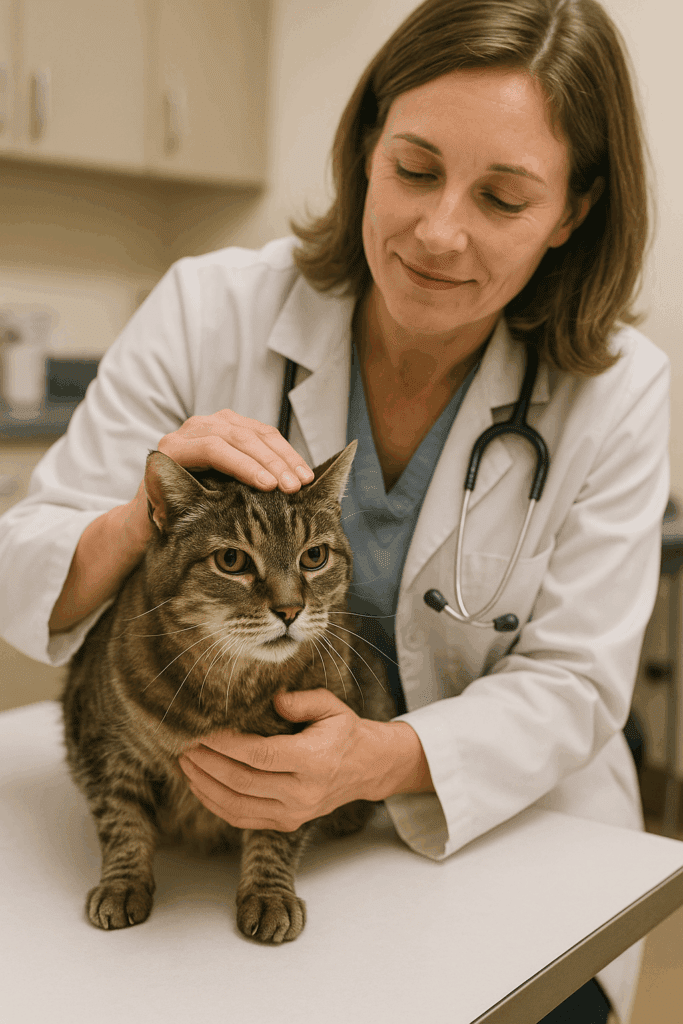
1. Arthritis
- Signs: Stiffness, reluctance to jump, grooming less.
- Care: Supplements, pain medications, heated beds, ramps.
2. Kidney Disease (CKD)
- Signs: Excessive thirst, frequent urination, weight loss.
- Care: Prescription diets, hydration support, medications.
3. Hyperthyroidism
- Signs: Weight loss despite high appetite, hyperactivity.
- Care: Medication (methimazole), radioactive iodine, surgery.
4. Diabetes
- Signs: Increased thirst, frequent urination, weight loss.
- Care: Insulin therapy, dietary management.
5. Cognitive Dysfunction (Feline Dementia)
- Signs: Night crying, confusion, pacing.
- Care: Routine, enrichment, calming supplements.
🏡 Making Your Home Senior-Cat Friendly
Adapting your home helps reduce stress and improves comfort.
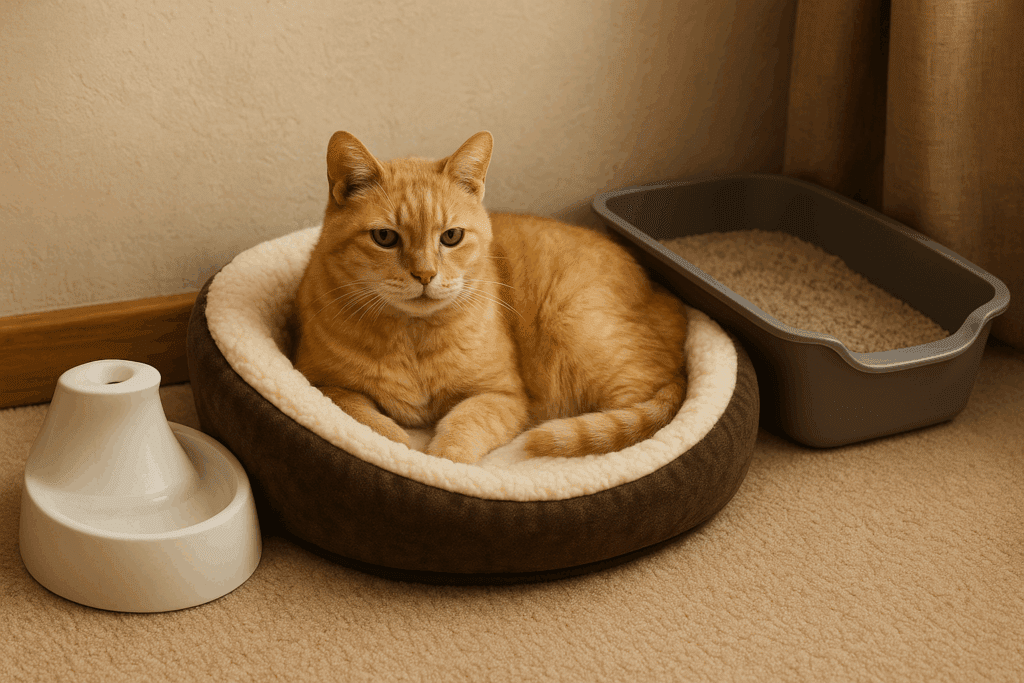
- Low-entry litter boxes: Easier for arthritic cats.
- Orthopedic heated beds: Provide joint relief.
- Ramps or stairs: Help access furniture.
- Non-slip rugs: Prevent falls on tile or hardwood.
- Quiet resting zones: Reduce stress from other pets or kids.
👉 See more in our post: Making Your Home Senior Cat-Friendly
🎭 Behavior & Emotional Well-Being
Senior cats often display behavior changes.
- Increased vocalization: May indicate pain or dementia.
- Nighttime crying: Linked to cognitive decline.
- Clinginess or withdrawal: Emotional needs change with age.
- Litter box issues: Often arthritis or urinary disease. Read our Best Liter Boxes for Senior Cats Guide.
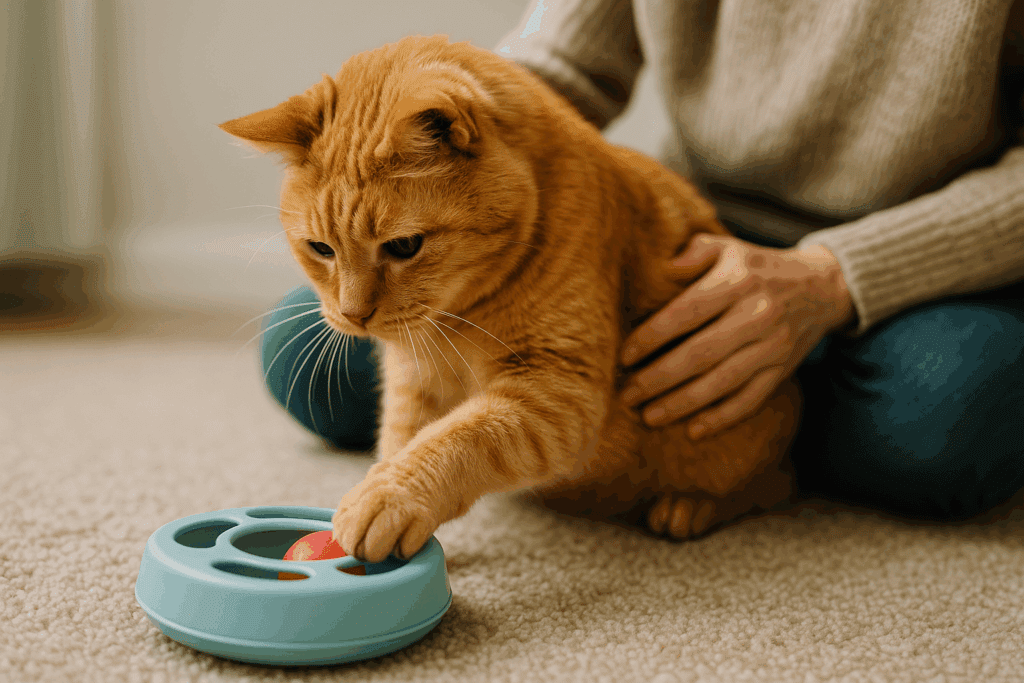
Supporting Mental & Emotional Health
- Stick to a predictable routine.
- Offer gentle interactive play.
- Provide hiding spots and perches.
- Use calming pheromones like Feliway.
❤️ Bonding & Quality of Life
Bonding with your senior cat is more meaningful than ever.
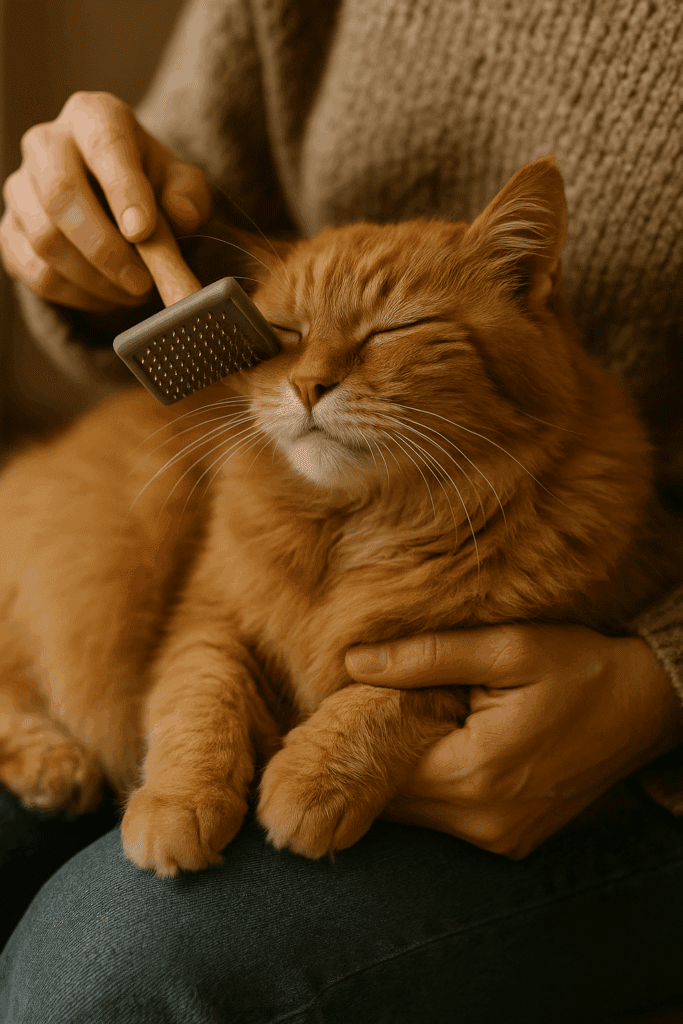
- Grooming sessions double as health checks.
- Short playtimes keep cats active without strain.
- Lap time and cuddles provide comfort.
- Talk softly — as senses fade, your voice is grounding.
📌 Senior Cat Care Checklist
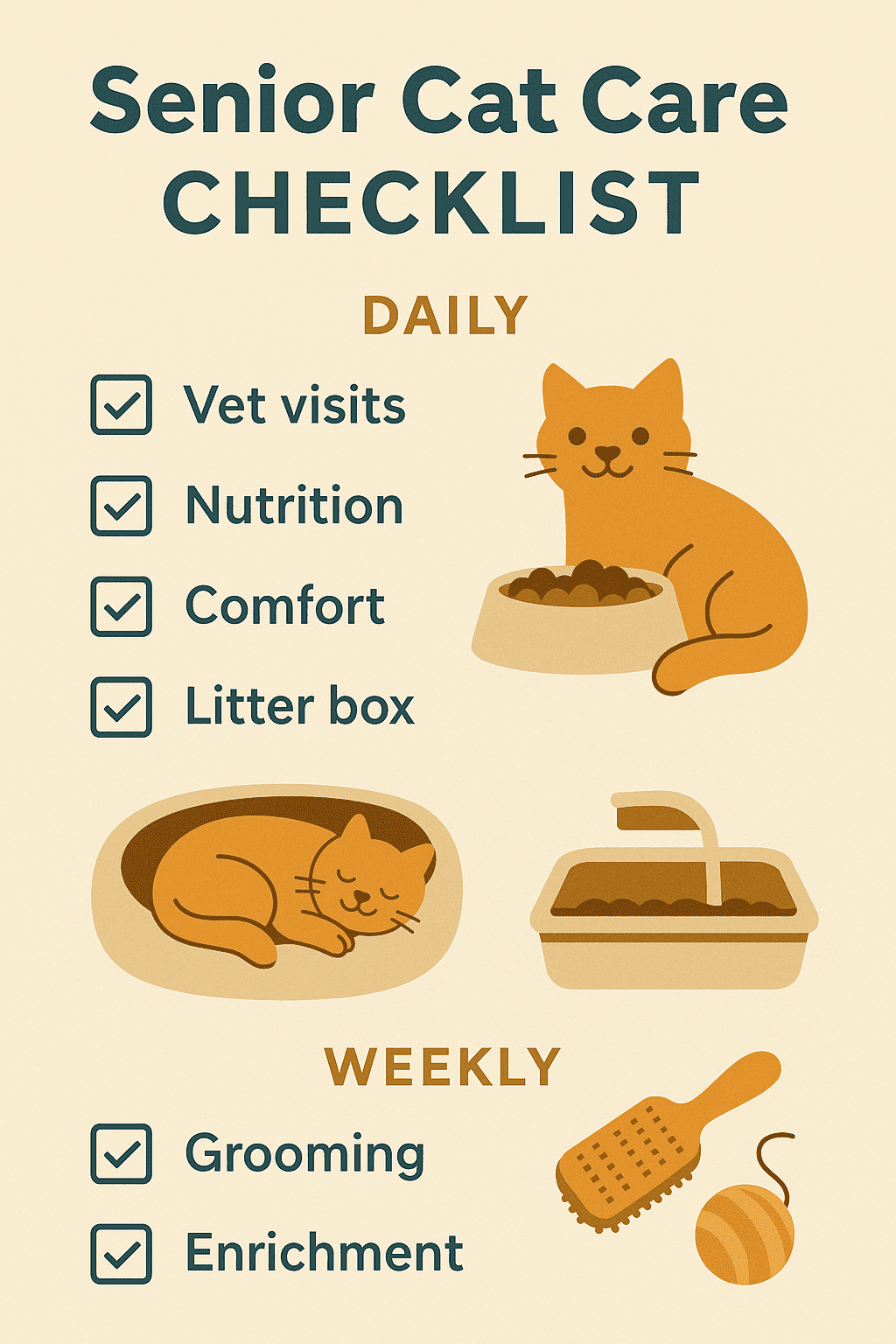
Daily:
- Feed and provide fresh water
- Clean litter box
- Groom/check fur, ears, and eyes
- Monitor appetite and behavior
Weekly:
- Groom thoroughly
- Trim nails
- Weigh your cat
Monthly:
- Track water and food intake
- Check dental health
- Clean bedding and litter area
👉 Download our free Senior Cat Care Checklist PDF.
Senior Cats Bring Calm
Senior cats bring calm, wisdom, and deep companionship into a home. With thoughtful nutrition, veterinary care, home adjustments, and love, you can make your cat’s later years just as joyful as their youth.
❓ Frequently Asked Questions About Senior Cat Care
What age is considered senior for a cat?
Most veterinarians consider cats “senior” once they reach 11 years old, though some start showing signs as early as 7–10 years. Cats over 15 years old are generally classified as geriatric. Breed, lifestyle, and genetics all affect aging. For example, Siamese cats are known for longevity and can live into their twenties, while larger breeds like Maine Coons often show senior changes a bit earlier. Indoor cats live significantly longer than outdoor cats, often by 8–10 extra years, thanks to reduced exposure to accidents, predators, and disease.
As a rule of thumb, think of cats aged 11–14 as seniors and those 15+ as elderly. But don’t rely on age alone. Watch for changes in behavior, activity, and health to decide when to make adjustments to diet, vet visits, and home environment.
How can I tell if my senior cat is in pain?
Cats are masters at hiding pain — an evolutionary trait that helped them survive in the wild. By the time they show obvious signs, discomfort may already be significant. Subtle indicators include stiff movements, limping, reduced jumping ability, reluctance to climb stairs, or hiding more often than usual. A once-social cat may suddenly avoid interaction. Grooming less (or overgrooming sore spots) can also signal discomfort.
Behavioral changes are equally important: a normally quiet cat that begins vocalizing, or a friendly cat that suddenly becomes irritable, may be in pain. Appetite loss, changes in sleep patterns, or eliminating outside the litter box are also red flags. If you notice any of these, schedule a veterinary exam. Pain management for cats may include joint supplements, anti-inflammatory medications, or lifestyle adjustments like heated beds and ramps.
What’s the best diet for senior cats?
The best diet depends on your cat’s health condition, weight, and activity level. In general, senior cats do best on high-protein, moisture-rich diets that support lean muscle mass and kidney health. Wet food is usually recommended because it provides hydration, is easier to chew, and is more palatable for cats with reduced senses of smell and taste.
Cats with specific health issues may need prescription diets. For example, those with chronic kidney disease benefit from low-phosphorus, high-moisture diets. Cats with thyroid problems may need iodine-controlled formulas. Overweight cats often require calorie-restricted foods to reduce strain on joints.
Supplements can also play a role. Omega-3 fatty acids help with inflammation and arthritis, while probiotics support digestion. Always transition slowly to new foods to avoid stomach upset. Consulting your veterinarian before making major dietary changes is essential — each senior cat’s nutritional needs are unique.
How often should my senior cat see the vet?
Senior cats should see the vet every six months. The American Animal Hospital Association (AAHA) recommends bi-annual checkups for early detection of kidney disease, thyroid disorders, and arthritis.
A typical senior exam includes a physical check-up, bloodwork, urinalysis, and dental evaluation. Vets often recommend baseline blood panels for cats around age 7–8, so later results can be compared. If your cat already has a condition, such as arthritis or kidney disease, your vet may suggest more frequent monitoring.
Even if your cat “seems fine,” regular visits matter. Cats are experts at hiding illness, and many diseases show few visible signs until advanced. Preventive care and early detection can literally add years to your cat’s life.
Do senior cats sleep more?
Yes. While all cats are champion nappers, senior cats typically sleep 16–20 hours per day. Increased sleep is partly due to lower energy and metabolism, but it can also signal health changes. For example, cats with arthritis may avoid activity because it causes discomfort. Cats with kidney disease or thyroid issues may sleep excessively or, conversely, appear restless.
What matters most is not just how much they sleep, but how their sleep habits change. If a cat that normally plays in the evening starts dozing all night, or if a once-relaxed sleeper becomes restless and vocal, it could be a sign of illness. Sleep near heat sources or on soft bedding is common in older cats because it helps with joint pain. Provide warm, quiet spaces for rest, but also encourage light activity to keep muscles and joints working.
What health issues affect older cats most?
Senior cats are prone to a number of age-related conditions. The most common include:
Arthritis: Causes stiffness and pain, often overlooked as “slowing down.”
Kidney Disease: Very common in cats over 12, leading to thirst, weight loss, and appetite changes.
Hyperthyroidism: Overactive thyroid gland causes weight loss, high appetite, and hyperactivity.
Diabetes: More common in overweight cats; symptoms include thirst, urination, and weight loss.
Dental Disease: Gum disease and tooth resorption are common in cats over 10, and the American Veterinary Dental College notes that untreated dental problems can affect the kidneys and heart.
Cognitive Dysfunction (Feline Dementia): Leads to confusion, night crying, and personality changes.
Early detection is critical. Regular vet visits, bloodwork, and attentive observation at home can help manage these conditions and significantly improve quality of life.
Should I give my senior cat supplements?
Supplements can be very beneficial for older cats, but they should always be used under veterinary guidance. Common options include:
Omega-3 fatty acids (fish oil): Reduce inflammation, ease arthritis, support kidney health.
Glucosamine & Chondroitin: Support cartilage and joint mobility.
Probiotics: Aid digestion and improve stool quality.
Taurine: Essential amino acid for heart and eye health.
Vitamin B12: Often given to cats with gastrointestinal issues or kidney disease.
Not every senior cat needs supplements. Over-supplementing can do more harm than good, especially with fat-soluble vitamins like A and D. The best approach is to feed a balanced diet and add supplements only when there is a specific need. Discuss with your veterinarian before starting any supplement regimen.
Why does my senior cat cry at night?
Nighttime vocalization, sometimes called “night crying” or “yowling,” is a common issue in older cats. There are several possible causes:
Cognitive Dysfunction Syndrome (feline dementia): Cats become disoriented and may cry out of confusion.
Pain or arthritis: Discomfort may worsen at night when they are less distracted.
Vision or hearing loss: Reduced senses can make cats anxious in the dark.
Thyroid disease: Overactive thyroids can cause restlessness and vocalization.
To help, provide night-lights to reduce disorientation, maintain a consistent routine, and ensure your cat has access to food, water, and a litter box at night. Pheromone diffusers (like Feliway) and calming supplements can also ease anxiety. If the behavior starts suddenly, schedule a vet visit to rule out medical issues.
How do I keep my senior cat active?
Senior cats need gentle physical and mental stimulation to stay healthy. While they won’t chase toys like kittens, they still enjoy activity suited to their abilities.
Short play sessions: Use feather wands, slow-moving toys, or laser pointers in moderation.
Puzzle feeders and treat balls: Encourage problem-solving and controlled movement.
Interactive toys: Battery-operated toys that move slowly can keep seniors engaged.
Gentle climbing: Provide ramps or low cat trees for safe exploration.
Activity helps maintain joint flexibility, prevents obesity, and stimulates the brain. Pair gentle play with environmental enrichment, like window perches or cat-safe plants, to keep life interesting. Alw
How long do senior cats live?
With proper care, many indoor cats live 15–20 years, and some surpass 22. Lifespan depends on genetics, breed, diet, veterinary care, and lifestyle. Indoor-only cats live longer because they are shielded from accidents, diseases, and predators.
Health care plays a big role. Cats that receive regular vet visits, early disease detection, and proper nutrition typically live longer and healthier lives. Preventive care — such as dental cleanings, bloodwork, and weight management — can add years.
Owners also influence longevity through daily choices: providing quality food, fresh water, exercise, mental stimulation, and a safe home environment. While genetics can’t be controlled, lifestyle absolutely can. By investing in senior cat care, you give your feline companion the best chance of living a long, comfortable, and love-filled life.
About Our Content
SeniorCatsCare.com publishes practical, research-informed guides to help you care for aging cats with confidence. Our articles are created by experienced senior-pet caregivers and fact-checked using reputable veterinary sources.
Experience You Can Trust
Our team draws on real-world experience raising and supporting senior cats through dental disease, chronic conditions, mobility challenges, and end-of-life care. We combine lived experience with evidence-based recommendations.
Expert Review & Sources
We rely on respected veterinary organizations, peer-reviewed studies, and expert guidelines to ensure accuracy. While our content is educational and not a substitute for veterinary diagnosis, it reflects current best practices in feline health.
Editorial Integrity
SeniorCatsCare.com maintains strict standards for accuracy, transparency, and independence. Some articles contain affiliate links, and we may earn a small commission at no extra cost to you.