As cats grow older, their nutritional needs change. Senior cat nutrition becomes critical for preventing disease and keeping energy levels up. Senior cats (usually 11 years and older) often face challenges like dental issues, reduced appetite, kidney disease, or weight management concerns. One of the most common questions pet parents ask is: “Which is better – wet vs dry food for senior cats?”
This guide compares both options, explores their pros and cons, and gives you tips on how to choose the best food for senior cats.
Table of Contents
Why Diet Matters for Senior Cats
Before comparing wet and dry food, it’s important to understand why diet plays such a big role in senior cat health. Older cats often face hydration issues, weaker digestion, and dental problems that make food choices even more significant. According to the Cornell Feline Health Center, kidney disease and dehydration are among the most common issues in aging cats, making proper hydration through diet especially important.
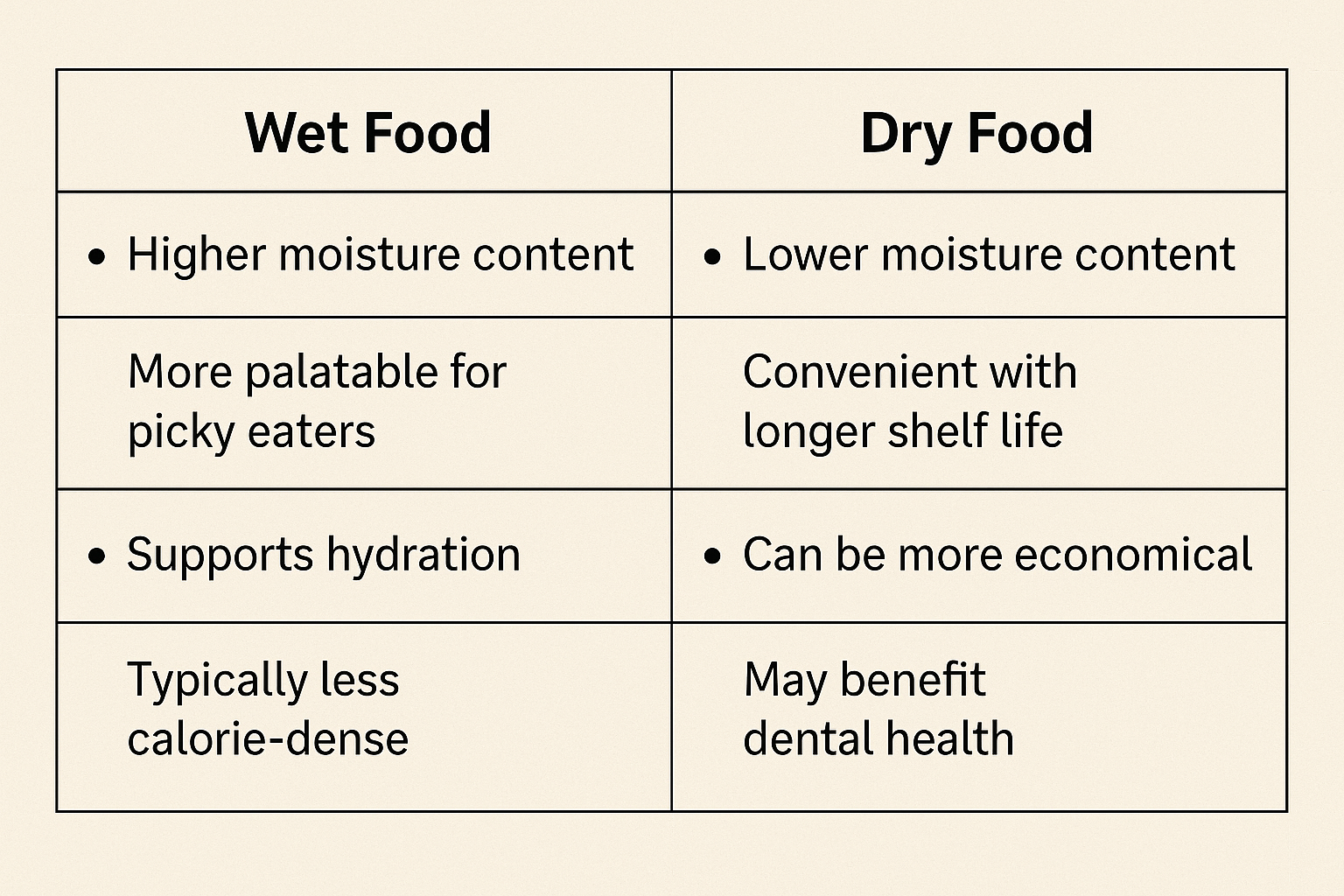
- Hydration and kidney health: Older cats are more prone to kidney disease and dehydration.
- Digestibility: Senior cats often have sensitive stomachs, so finding the right senior cat diet is essential.
- Weight management: Some cats lose muscle mass, while others gain weight due to reduced activity.
- Dental health: Dental disease is common in aging cats and can affect what food they can handle.
For a complete breakdown of aging-related health changes, check out our When Is a Cat Considered a Senior and Calculate your cat’s age in human years here.
Wet Food for Senior Cats
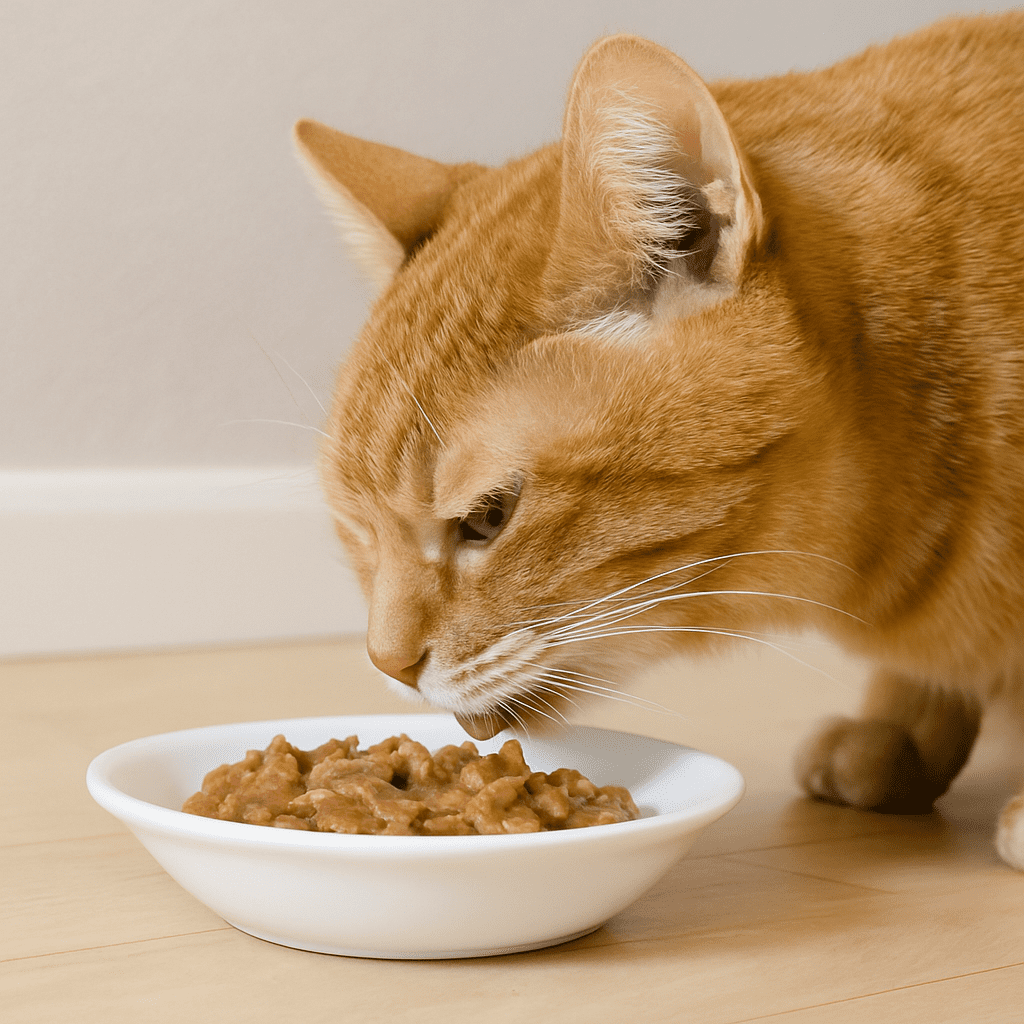
Wet food is one of the most popular options for older cats, and with good reason. Its high moisture content and soft texture make it an excellent choice for cats struggling with hydration or dental pain. Let’s look at the wet food benefits for senior cats more closely.
Benefits:
- High moisture content supports hydration, a major factor in the senior cat nutrition guide.
- Softer texture is easier to chew for cats with dental problems.
- Strong aroma and flavor encourage picky eaters.
If your cat struggles with chewing or hydration, you may also find our guide to the Best Food for Senior Cats helpful, since it reviews top vet-recommended brands.
Drawbacks:
- Can spoil quickly if left out.
- More expensive than dry food.
- Some cats may become overly reliant on soft textures.
Best For: Cats with kidney disease, dehydration risk, or dental health challenges.
Some caregivers prefer preparing meals themselves, and homemade wet food for senior cats can be a viable option when recipes are properly balanced and vet-approved.
Dry Food for Senior Cats
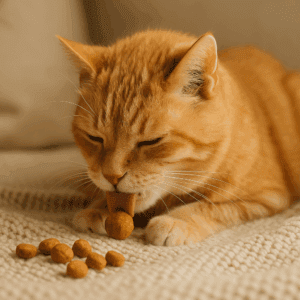
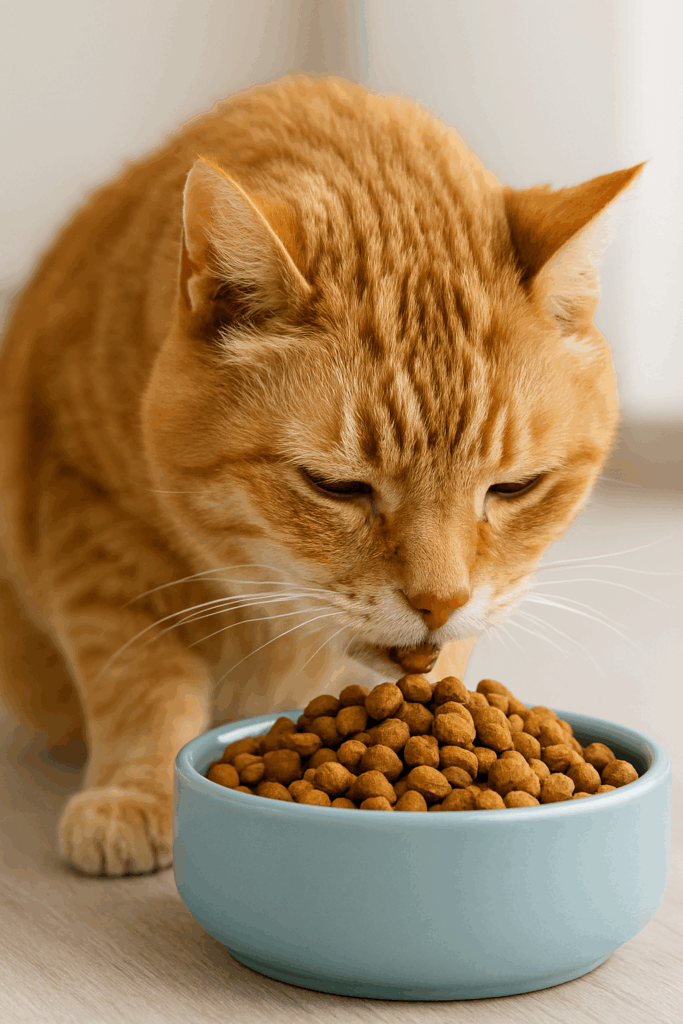
Dry kibble remains the most common choice for cat owners because it’s affordable, easy to store, and long-lasting. But when it comes to dry food for older cats, there are some important pros and cons to keep in mind.
Benefits:
- Convenient, easy to store, and budget-friendly.
- Can support dental health in senior cats by reducing plaque (though not a complete solution).
- Often fortified with fiber for digestion and weight control in older cats.
Drawbacks:
- Low moisture content may worsen hydration issues.
- Some senior cats struggle to chew hard kibble.
- May encourage overeating if left out all day.
Best For: Cats with healthy teeth who need calorie-dense, easy-to-portion meals.
Because calorie density varies widely between foods, a cat food portion calculator can help translate calories into real-world feeding amounts.
Wet vs Dry Food for Senior Cats: Side-by-Side Comparison
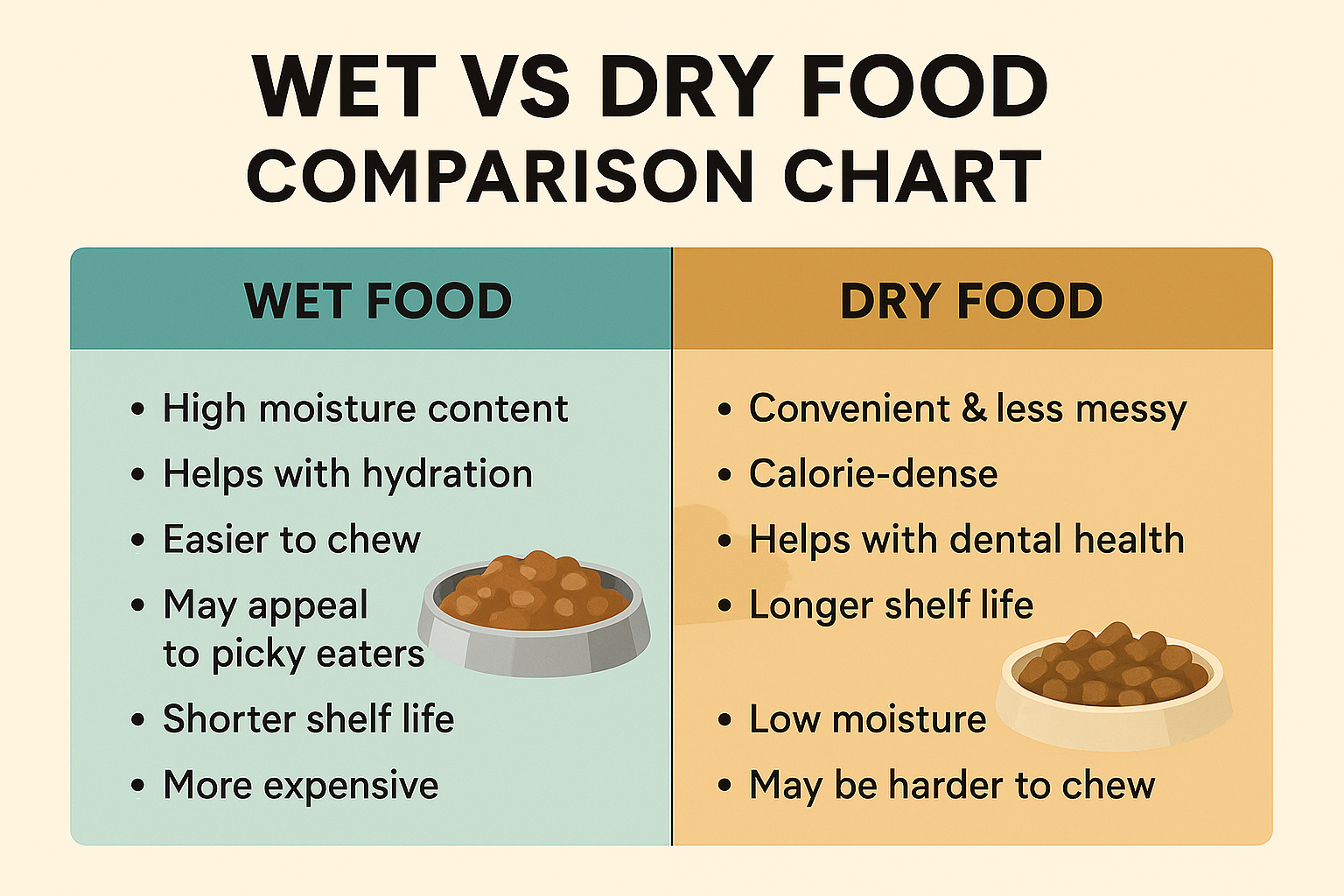
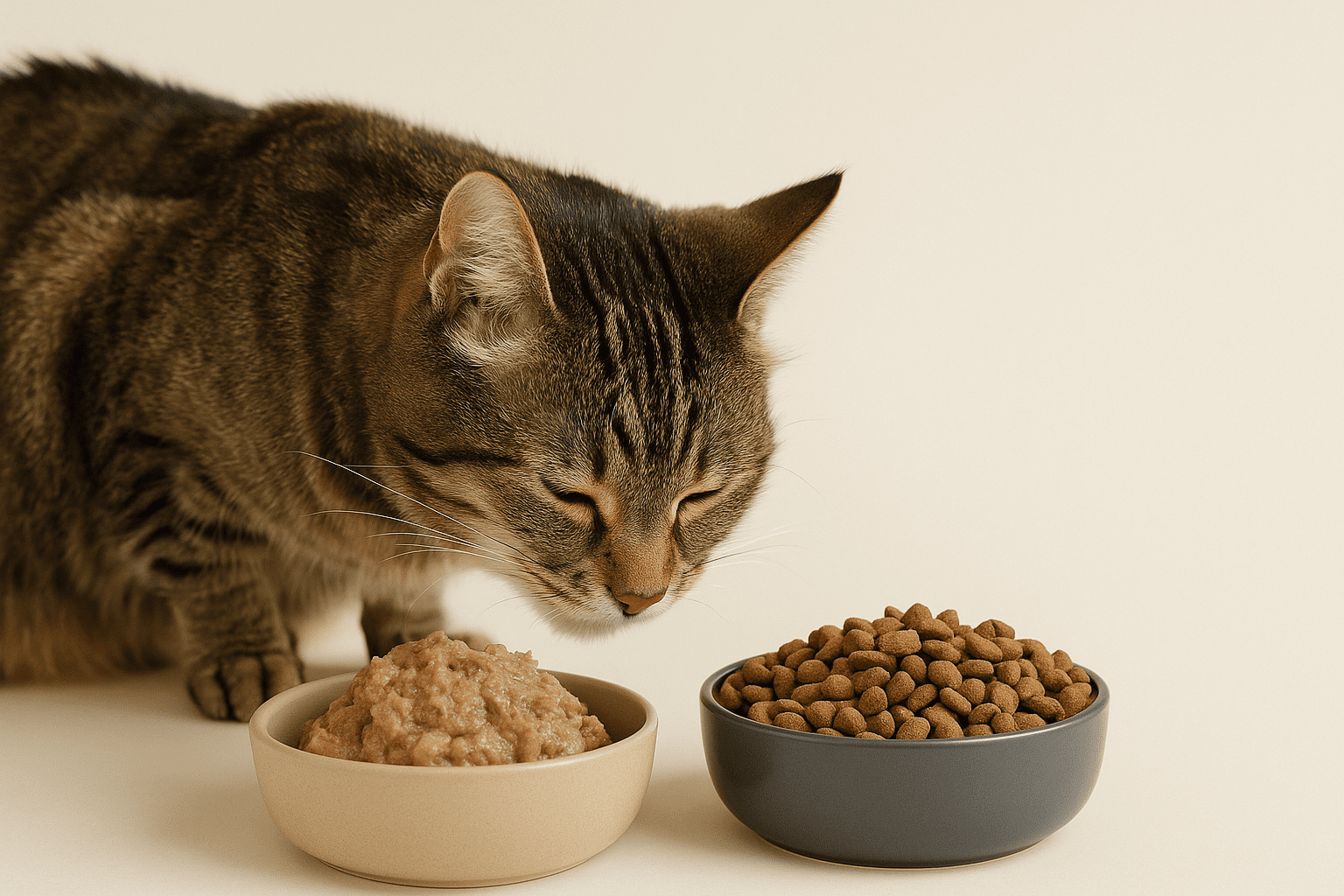
When comparing wet vs dry food for senior cats, it helps to break down the features side by side. This chart makes it easy to see which option might suit your cat best.
| Feature | Wet Food | Dry Food |
|---|---|---|
| Moisture Content | 70–80% | 8–10% |
| Dental Support | ❌ | ✅ (limited) |
| Shelf Life | Short | Long |
| Palatability | High | Medium |
| Cost | Higher | Lower |
| Best For | Kidney/dental support | Budget, convenience |
A Balanced Approach: Mix Feeding
Not sure which to choose? You don’t have to stick with just one. Many vets recommend mixed feeding for senior cats, since it combines the hydration of wet food with the convenience of kibble. This flexible approach often gives older cats the best of both worlds. Read our Homemade food for senior cats for more information.
Tips for Choosing the Right Food
Choosing the right food for your senior cat can feel overwhelming, especially with so many brands and formulas available. Use these practical guidelines to make confident choices about your cat’s diet. The American Association of Feline Practitioners (AAFP) recommends senior-specific nutrition plans, emphasizing gradual transitions and veterinary guidance when adjusting diets for older cats.

- Consult Your Vet – especially if your cat has kidney, thyroid, or digestive issues.
- Look for Senior-Specific Formulas – the best senior cat food brands design recipes for reduced calories and joint support.
- Check Ingredients – prioritize protein from animal sources and avoid fillers.
- Transition Gradually – switch foods slowly to prevent stomach upset.
Many cats also benefit from diet adjustments, cat treats that support joints, digestion, and hydration — topics we cover in detail in our Senior Cat Nutrition Guide.
FAQs About Senior Cat Diets
Is wet food better for cats with kidney disease?
Yes, wet food benefits for senior cats include extra hydration, which helps support kidney function.
Can senior cats eat only dry food?
Yes, if they tolerate it, but hydration must be monitored closely. The pros and cons of dry food for older cats should be weighed carefully.
What if my senior cat refuses dry food?
Wet food is perfectly fine on its own – just ensure it meets AAFCO standards for adult maintenance.
Should I change brands as my cat ages?
Not always – consistency is good, but senior cat formulas may better meet nutritional needs.
How much should I feed my senior cat?
This depends on weight, activity level, and health. Follow package guidelines and vet advice for the right senior cat diet.
The Right Option Depends on Your Cat’s Health
There is no universal “best” choice when it comes to wet vs dry food for senior cats. The right option depends on your cat’s health, preferences, and lifestyle. For many, a mix of both is the healthiest solution. Always consult your veterinarian to ensure your senior cat is getting the nutrition they need to live comfortably in their golden years. Read High-Protein Diets for Senior Cats for older cats protein needs.