When Your Senior Cat Starts Losing Weight
If your older cat seems thinner than before, you’re not alone. Many pet parents notice their senior cat losing weight and wonder if it’s just part of aging. The truth is, it’s not normal. An underweight senior cat may be struggling with health issues, appetite loss, or simply eating the wrong kind of food for her age.
At SeniorCatsCare.com, we’ve heard this worry countless times: “How can I help my senior cat gain weight naturally?” The good news is that with a few feeding tips for senior cats, adjustments to nutrition, feeding habits, and environment, most older cats can regain healthy weight and energy.
Why Older Cats Become Underweight
Cats often lose weight quietly, and it can be hard to notice until ribs or spine become more pronounced. Common causes include:
- Medical conditions like hyperthyroidism, kidney disease, or dental problems
- Reduced sense of smell or taste, making food less appealing
- Muscle loss (sarcopenia) due to lower protein intake or reduced activity
- Stress and competition with younger pets
- Low-calorie adult diets that no longer meet senior nutrition needs
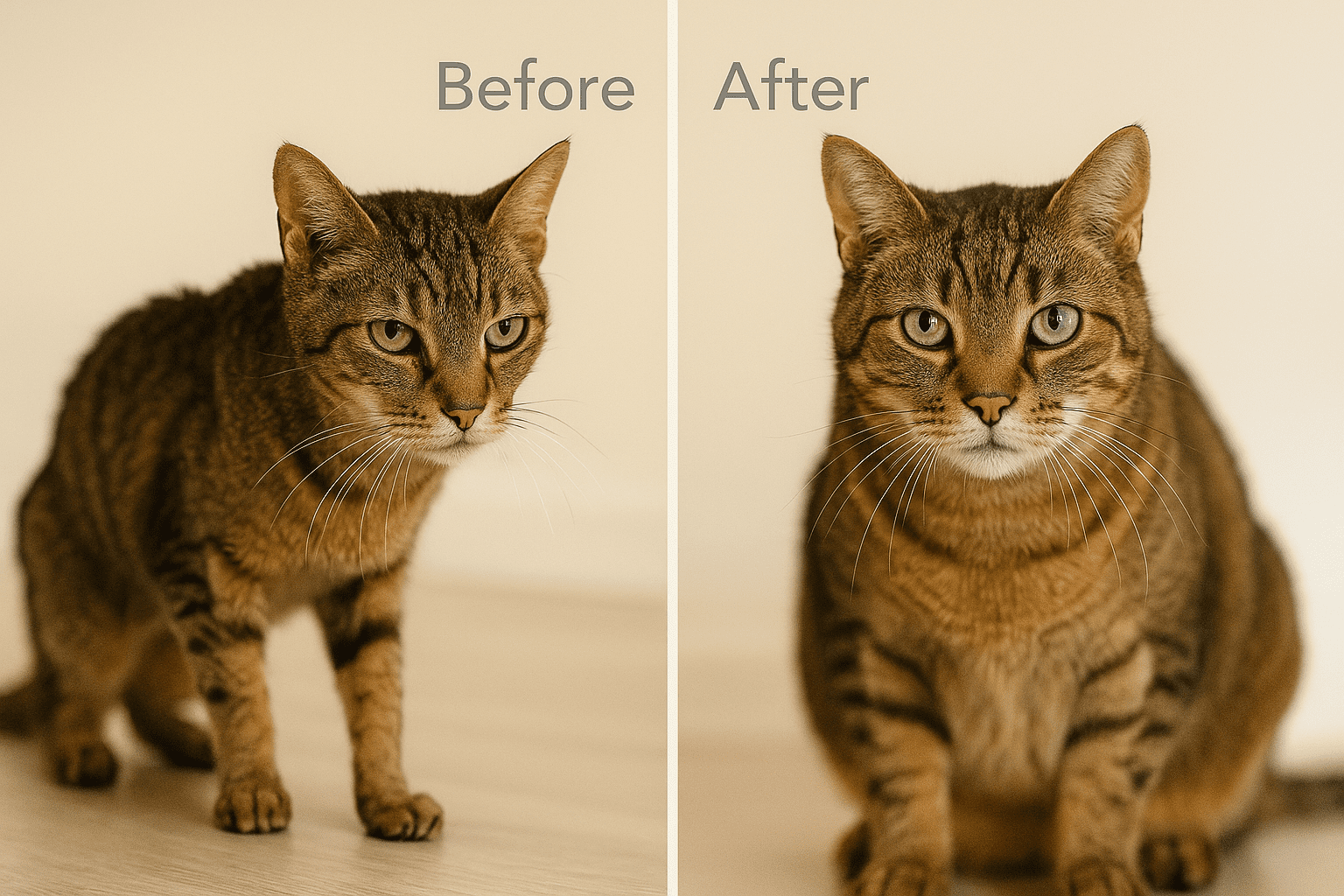
If your senior cat is underweight or suddenly eating less, schedule a vet check first. You can also review our Senior Cat Health Checklist for early signs of weight-related problems.
Choosing the Best Food for an Underweight Senior Cat
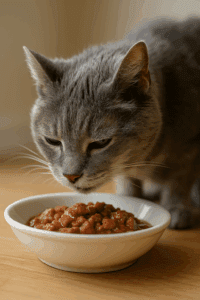
Once your vet clears any medical issues, focus on high-calorie food for older cats that’s easy to digest and rich in animal protein. Senior cats benefit from diets designed to maintain muscle and add gentle weight.
Look for:
- High protein (from chicken, turkey, or salmon)
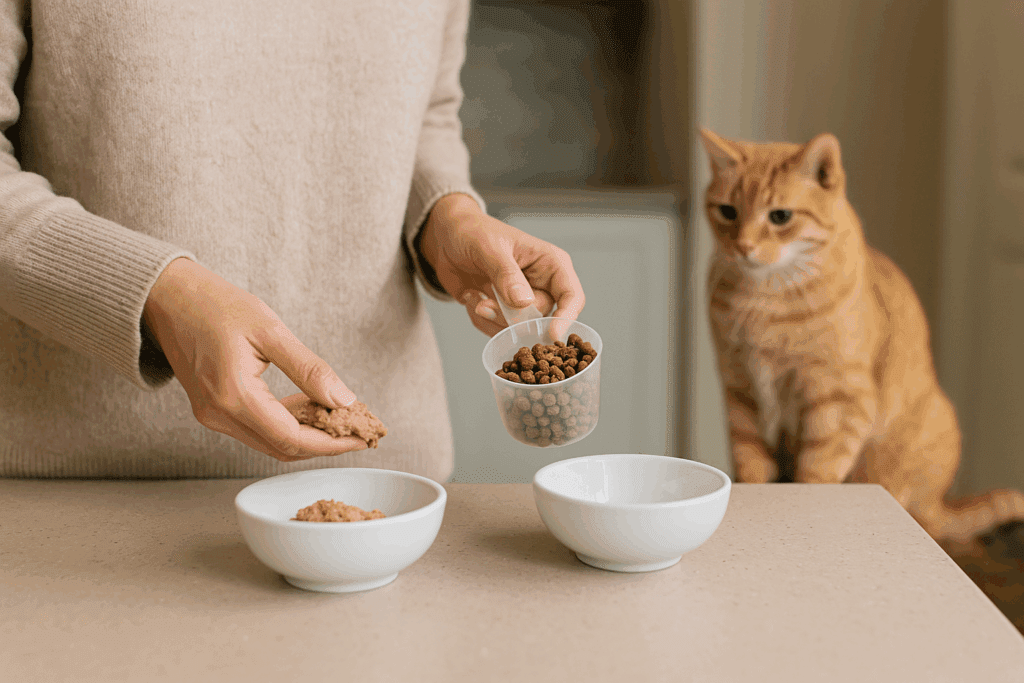
- Moderate healthy fats for extra calories
- Wet or canned food, which increases hydration and is easier to chew
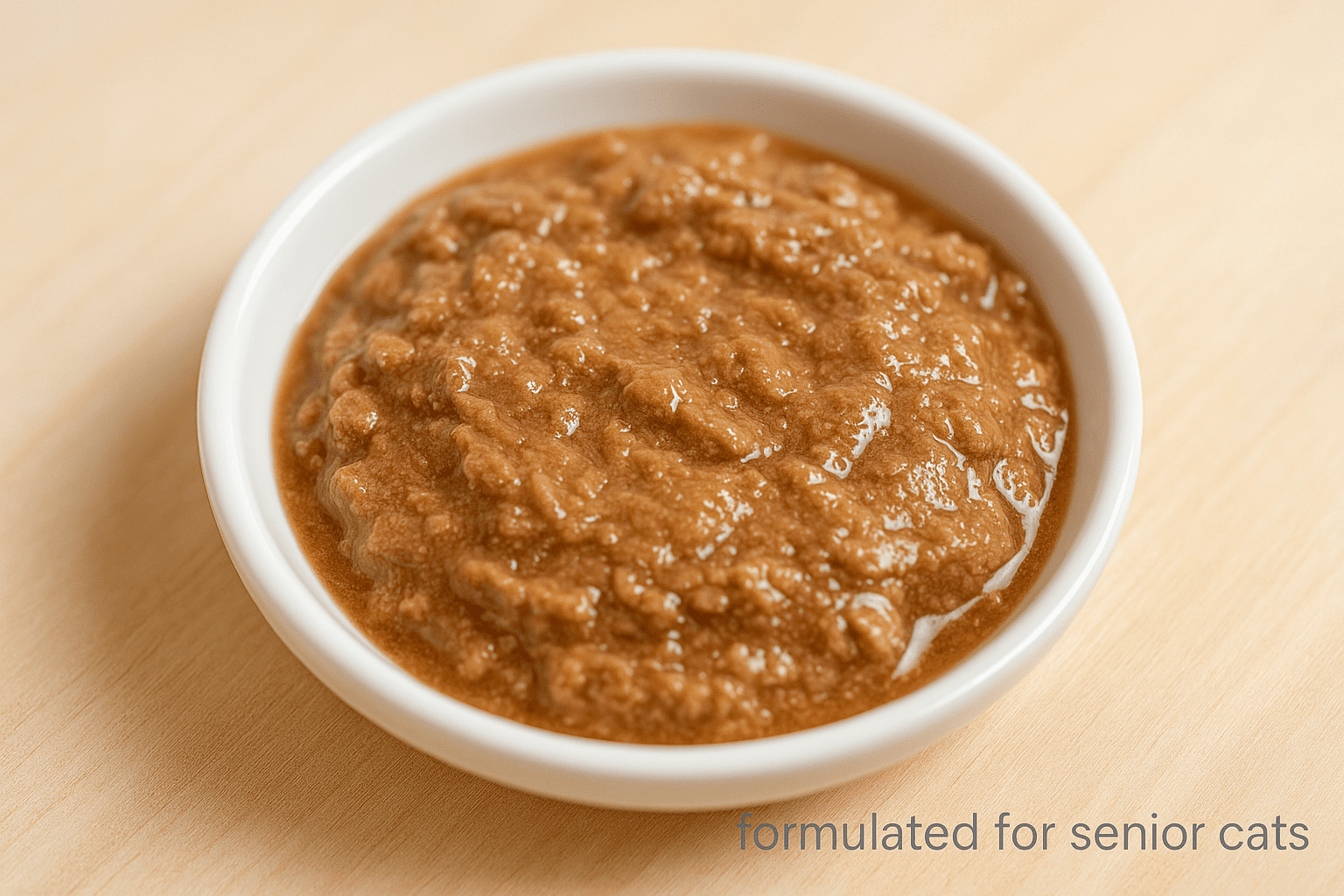
- Palatable flavors like chicken pâté or fish stew for picky eaters
If you’re comparing brands, check out our Best Wet Foods for Senior Cats guide — it reviews high-calorie, nutrient-dense options that help underweight senior cats gain weight safely.
For deeper insight, VCA Animal Hospitals offers excellent information on balancing protein, fat, and hydration in older cats’ diets.
How to Make Meals More Appealing
Even the most nutritious food won’t help if your senior cat won’t eat. Older cats often need encouragement at mealtime. Here are simple ways to make feeding more successful:
- Warm the food slightly to release aroma and boost appetite.
- Add toppers like chicken broth, tuna juice, or a spoonful of shredded meat.
- Feed smaller, frequent meals throughout the day — seniors often prefer grazing.
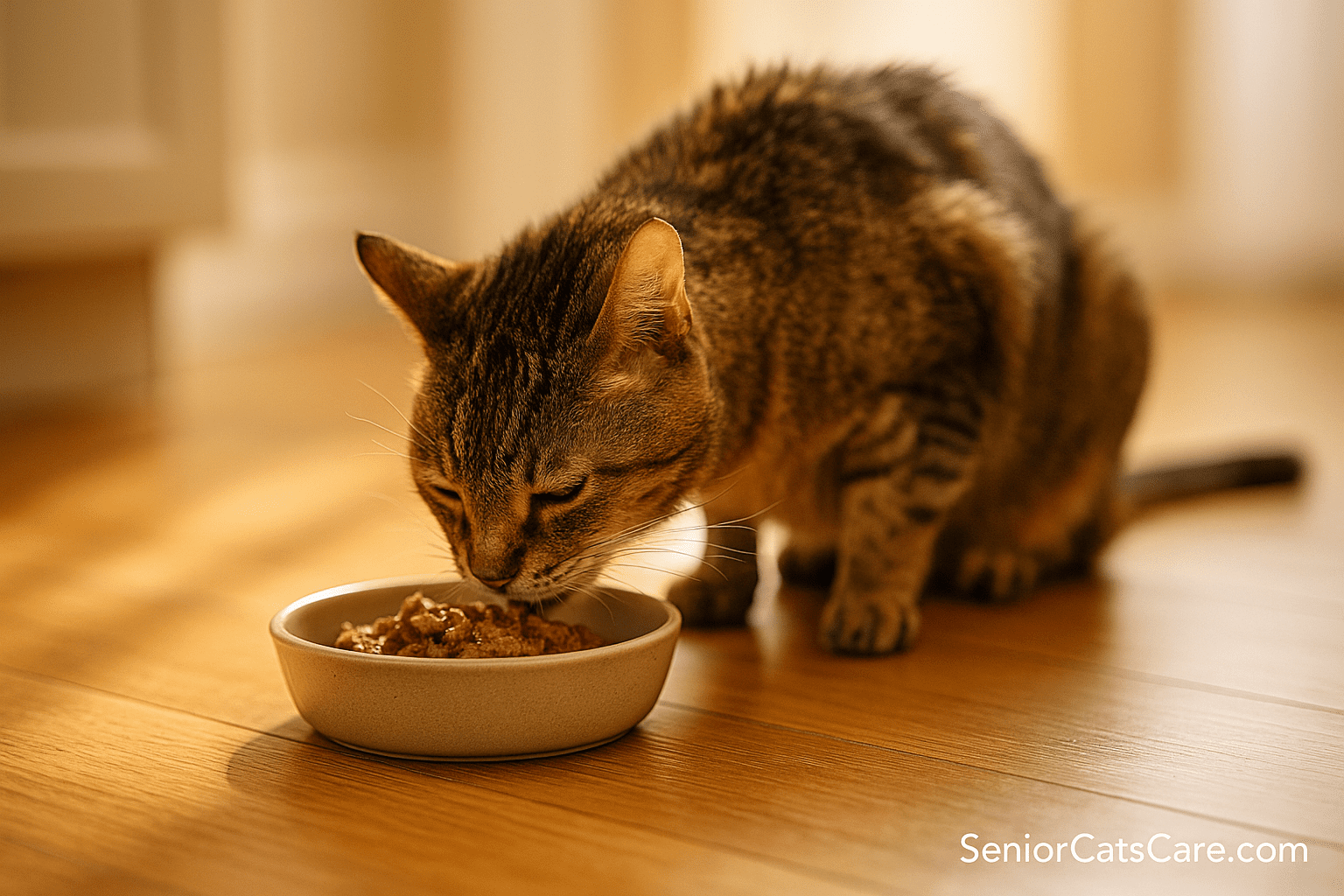
- Use low, shallow bowls to make eating easier for arthritic cats.
- Keep the feeding area quiet and away from high-traffic zones.
These subtle changes can make a big difference. If your older cat still refuses food, see our Guide to Picky Eaters in Senior Cats for additional strategies.
Calorie Boosters and Supplements
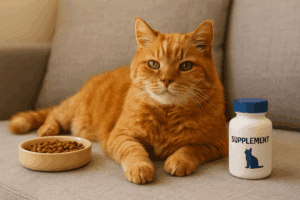
If your cat is still struggling to gain weight, you can safely add calorie boosters under veterinary guidance. Products like Nutri-Cal gel, freeze-dried toppers, or raw mixers add nutrition without increasing meal size.
You can also mix goat milk or bone broth into food for hydration and protein. Always introduce new foods gradually to avoid digestive upset.
PetMD’s guide outlines additional vet-approved options for cats that need extra calories or have reduced appetites.
Encourage Gentle Exercise
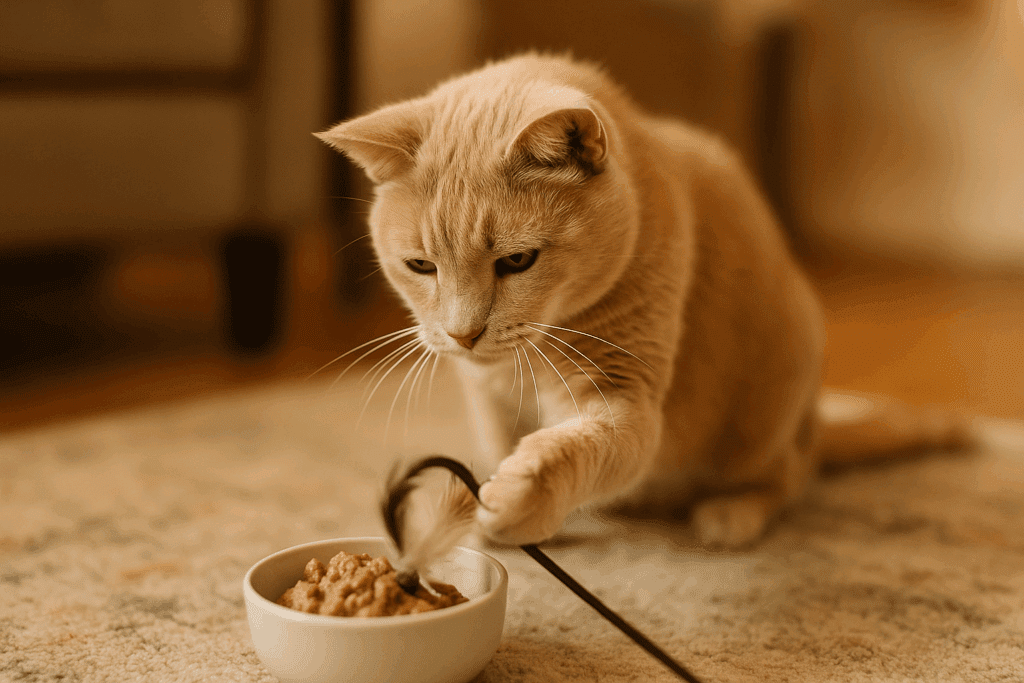
Gaining weight isn’t just about calories — it’s about building strength. Encourage short, playful activities to help your senior cat maintain muscle while improving digestion and appetite.
Simple activities like feather toys, treat puzzles, or slow floor play keep older cats active without strain.
Less play and movement often go hand in hand with senior cat weight gain, creating a cycle that’s best addressed gently and early.
Monitor Weight and Adjust as Needed
Weigh your cat weekly using a kitchen scale or visit your vet for a quick check. You should feel a gentle padding over the ribs, not sharp bones. Slow, steady gain of half an ounce to an ounce per week is ideal.
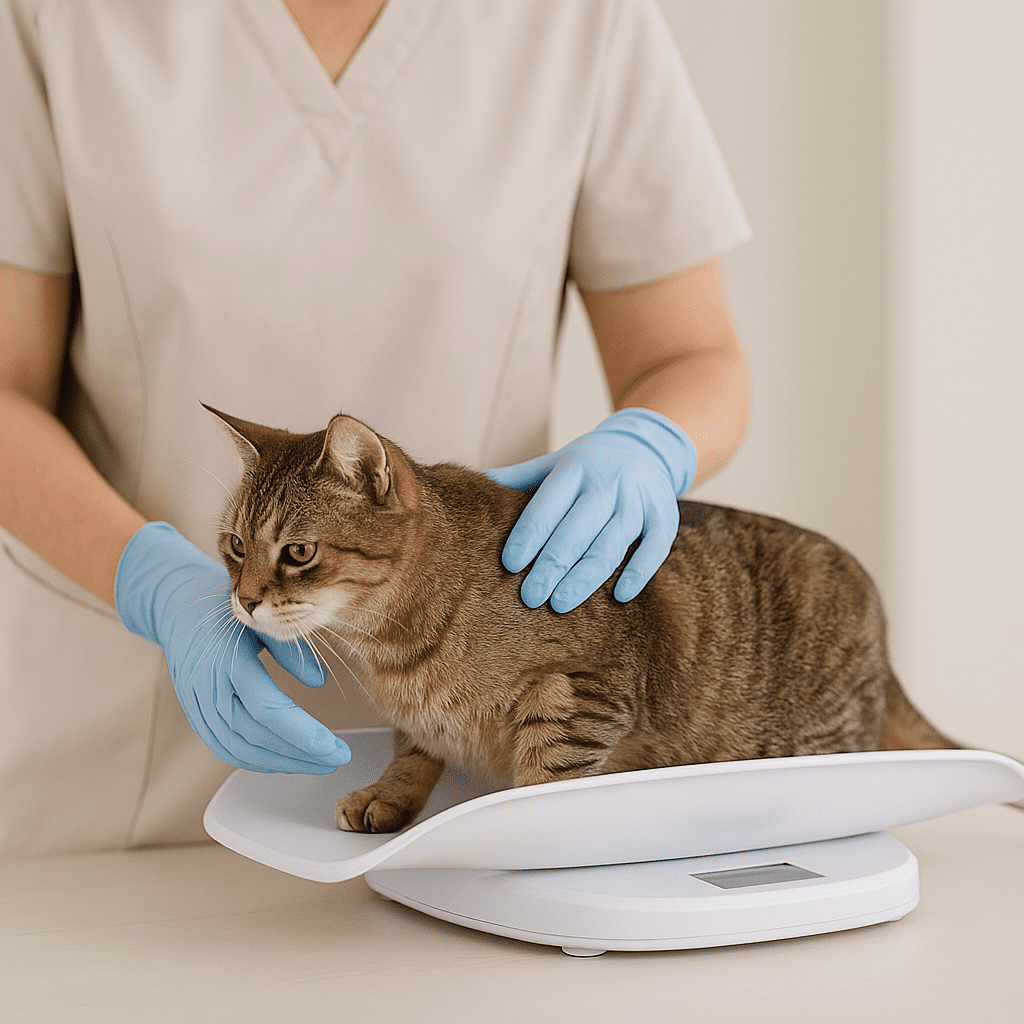
If your senior cat’s weight plateaus or appetite drops again, revisit your vet. It may be time to modify the feeding plan or investigate another health issue.
Helping Your Senior Cat Thrive
Helping an underweight senior cat gain weight takes patience, consistency, and love. Focus on high-calorie, protein-rich foods, smaller and more frequent meals, and gentle encouragement at mealtimes.
With the right approach, your older cat can regain both body condition and zest for life — proving that a happy appetite is one of the best signs of a well-cared-for senior cat.